ADAD
ADADUpdating your news feed...

NEWS EXPRESS is Nigeria’s leading online newspaper. Published by Africa’s international award-winning journalist, Mr. Isaac Umunna, NEWS EXPRESS is Nigeria’s first truly professional online daily newspaper. It is published from Lagos, Nigeria’s economic and media hub, and has a provision for occasional special print editions. Thanks to our vast network of sources and dedicated team of professional journalists and contributors spread across Nigeria and overseas, NEWS EXPRESS has become synonymous with newsbreaks and exclusive stories from around the world.



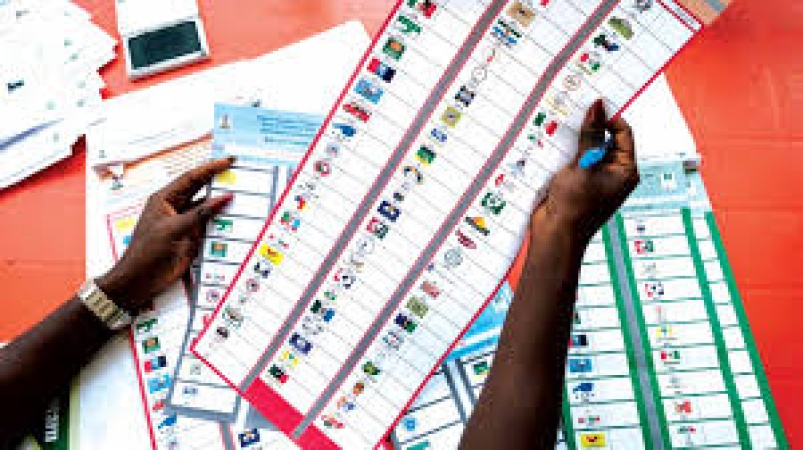
INEC ballot paper
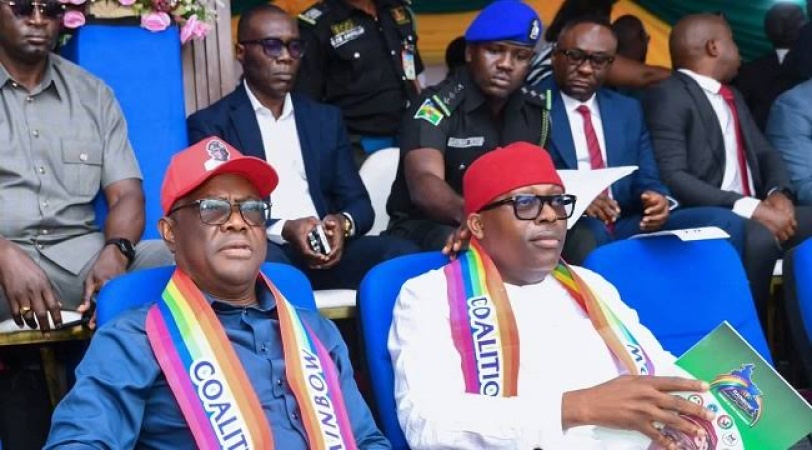
While Nigerians await the release of the 2027 general election timetable from the Independent National Electoral Commission (INEC), political machinery is already grinding into campaign mode. Across the country, the signs are unmistakable: solidarity marches, endorsement rallies, branded programmes, and carefully choreographed public events that look and sound like campaigns, without wearing the label.
At the federal level, programmes unveiled under assorted policy banners increasingly double as platforms to promote the re-election of President Bola Ahmed Tinubu. In the states, governors eyeing second terms are rolling out initiatives and public events that subtly reinforce their political presence and consolidate loyalty ahead of party primaries whose dates INEC has yet to announce.
For other aspirants, particularly ministers and political appointees, the mobilisation is quieter but no less deliberate: strategic meetings, constituency outreach, and behind-the-scenes networking that signal ambition while avoiding overt declarations.
The result, critics say, Is a slow but steady erosion of governance as attention shifts from policy delivery to political positioning.
The legal lines: Clear on paper, blurred in practice
Nigeria’s Electoral Act 2022 draws firm boundaries around political participation and campaigning, at least in theory. Accountability to Section 84(12) the Act, political appointees, ministers, commissioners, special advisers, and heads of agencies at all levels, are barred from participating in party primaries either as delegates or aspirants unless they first resign their appointments.
“No political appointee at any level shall be a voting delegate or be voted for at the Convention or Congress of any political party for the purpose of the nomination of candidates for any election,” the law states.
In effect, any appointee seeking elective office must vacate their position before their party’s primary. While the Act does not specify a fixed timeframe, the resignation must occur prior to the convention or congress where nominations are made. Given that parties must submit candidates’ names to INEC at least 180 days before a general election, the practical implication is that such resignations should happen well in advance.
Yet, with primaries still distant, many appointees appear to be exploiting the grey zone, mobilising supporters and building structures while technically remaining within office.
The rules on campaigning are even more specific. Section 94(1) of the Act stipulates that public campaigning may only begin 150 days before polling day and must end 24 hours before the election. Until INEC issues a Notice of Election and the campaign window officially opens, rallies, advertisements, and media promotions aimed at advancing candidates or parties are not authorised.
INEC has repeatedly warned against “early campaigning,” citing this provision. However, enforcement remains weak, particularly because the law prescribes clear penalties mainly for violations within the final 24 hours before polling day, leaving pre-150-day infractions largely in a sanction-free limbo.
Politics in the foreground, poverty in the background
As political actors look ahead to 2027, Nigeria’s socio-economic indicators tell a more urgent story. Peter Obi, former presidential candidate, recently warned that the country is drifting in a dangerous direction, with politicians fixated on power while poverty deepens.
In a statement posted on X, Obi noted that about 62 percent of Nigerians, roughly 141 million people, are living in poverty. He described the obsession with power struggles and premature celebrations of political advantage as a grave threat to the country’s future.
For many Nigerians, the contrast is jarring. Inflation, unemployment, food insecurity, and public service delivery remain pressing concerns, yet political elites appear increasingly consumed by calculations for an election still months away.
Civil society raises alarm
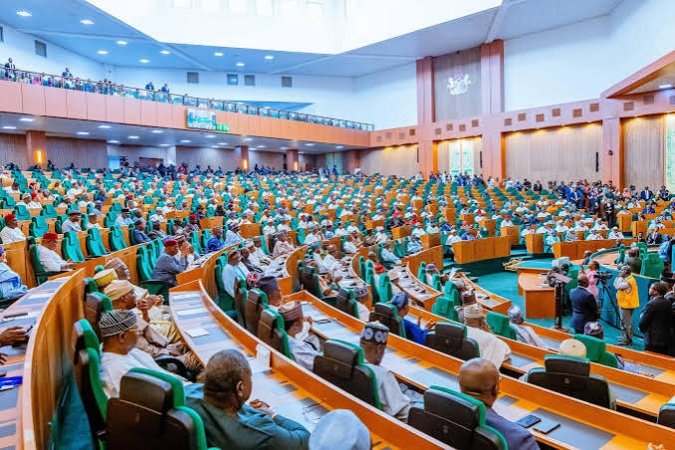
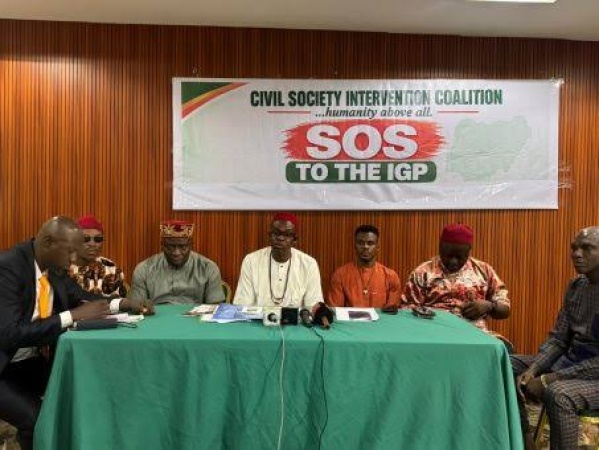
Civil society organisations are now sounding louder warnings about the consequences of this early electioneering. The Civil Society Legislative Advocacy Centre (CISLAC) had recently urged the 10th National Assembly to refocus on governance, accountability, and legislative reform as it resumes work for the 2026 session.
In a statement signed by Auwal Musa Rafsanjani, its executive director, CISLAC described 2026 as a turning point for democratic governance under the Tinubu administration. According to the group, Nigerians have shown patience since 2023, often attributing economic and democratic challenges to the teething problems of a new government. That patience, it warned, is wearing thin.
“2026 naturally marks a period of maturity,” Rafsanjani said. “This is the stage at which policies must begin to deliver visible and measurable benefits to Nigerians, and the role of the National Assembly In achieving this cannot be overstated.”
CISLAC expressed concern that the proximity of 2026 to the 2027 elections could repeat a familiar pattern: declining legislative productivity as lawmakers turn their focus to re-election strategies rather than lawmaking and oversight.
Similarly, the Socio-Economic Rights and Accountability Project (SERAP) had earlier called on INEC to take a firmer stance. In September, the organisation urged the electoral body to identify politicians and parties “blatantly violating constitutional and statutory legal provisions and international standards which prohibit early election campaigns” and to ensure their prosecution.
SERAP also called for closer monitoring of political parties and the development of clearer regulations to govern premature campaigning, arguing that unchecked early electioneering undermines democratic norms and distracts from governance.
A familiar cycle, a growing cost
Nigeria’s democratic history shows that the pre-election period often comes at a high cost to governance. Budgets are delayed, reforms stalled, and oversight weakens as politics dominates the agenda. What makes the current moment particularly concerning is how early this transition appears to be taking place.
Without decisive intervention by INEC, firmer internal discipline by political parties, and renewed commitment by officeholders to the business of governance, the subtle campaigns of today mean that governance will remain on the back burner until well after 2027 general elections.
For citizens grappling with poverty and uncertainty, the fear is simple: that by the time the official campaign season finally opens, the opportunity to deliver meaningful change will already have slipped away. (BusinessDay)