ADAD

Updating your news feed...
NEWS EXPRESS is Nigeria’s leading online newspaper. Published by Africa’s international award-winning journalist, Mr. Isaac Umunna, NEWS EXPRESS is Nigeria’s first truly professional online daily newspaper. It is published from Lagos, Nigeria’s economic and media hub, and has a provision for occasional special print editions. Thanks to our vast network of sources and dedicated team of professional journalists and contributors spread across Nigeria and overseas, NEWS EXPRESS has become synonymous with newsbreaks and exclusive stories from around the world.










.webp)






Loading banners
Loading banners...

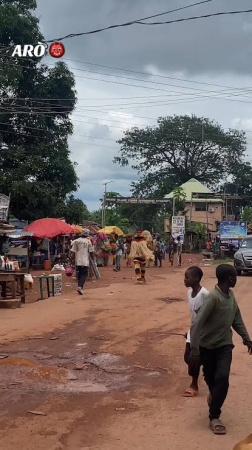
Displaced citizens of the DRC
By FRANCA OFILI
The United Nations agencies and programmes have projected that 30.3 million people in the Democratic Republic of the Congo (DRC) will face acute food insecurity by June 2027.
In a joint statement on Friday, the organisations, the World Health Organization (WHO), Food and Agriculture Organization (FAO), World Food Programme (WFP) and UNICEF, warned that conflict, displacement, rising food prices and disease outbreaks were worsening the country’s hunger crisis.
According to the latest Integrated Food Security Phase Classification (IPC) analysis, nearly 29 million people, representing almost a quarter of DRC’s population, faced crisis-level hunger or worse between September and December 2026.
“The number is projected to increase to 30.3 million between January and June 2027, compared with 26.5 million recorded during the corresponding period in 2026.
“The analysis also projected that 4.2 million people would face emergency levels of hunger by early 2027, representing an increase of nearly 600,000 from the current 3.6 million,” it said.
According to the statement, the agencies identified eastern DRC as the worst-affected region, with more than 11 million people in North Kivu, South Kivu and Ituri projected to face crisis-level hunger or worse.
“Nine territories across the three provinces are expected to experience emergency levels, requiring urgent humanitarian assistance to prevent further deterioration of food security,” it said.
Mr Ross Smith, WFP Director of Emergency Preparedness and Response said conflict was displacing families, disrupting farming activities and making food increasingly inaccessible to vulnerable households.
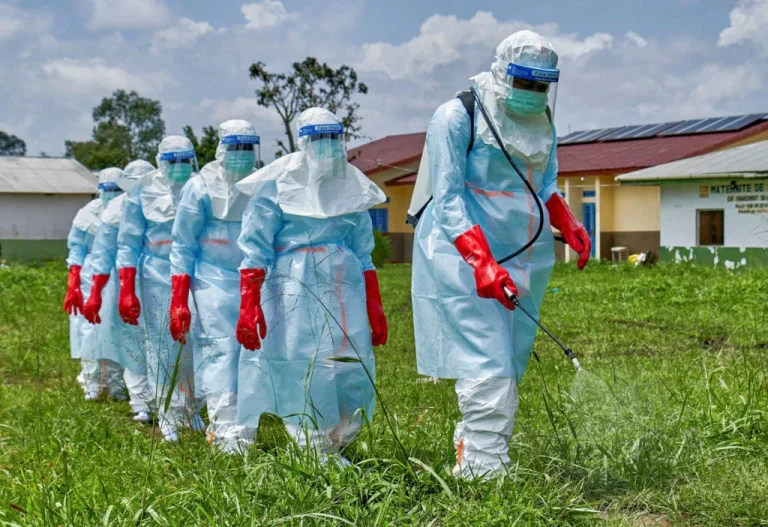
Smith said the Ebola outbreak had compounded an existing humanitarian emergency, stressing the need for safe, sustained humanitarian access and adequate resources to deliver food assistance.
He said displacement, loss of household assets, restricted access to farmland and disrupted markets were undermining food production, incomes and families’ ability to withstand further shocks.
FAO Director of Emergencies and Resilience, Mr Rein Paulsen, said urgent agricultural support was necessary to help affected families restore livelihoods and reduce dependence on humanitarian assistance.
Paulsen said providing farmers with seeds, tools and other essential inputs before the early 2027 planting season would enable them to harvest by mid-year and restore household incomes.
He warned that delayed assistance could result in another missed planting season, worsening hunger, further displacement and increased humanitarian response costs.
The report said hunger was also affecting Tanganyika, Maniema, Kasaï, Haut-Lomami, Lomami, Kwango and Haut-Uele, where insecurity, disrupted farming, poor market access and low purchasing power were undermining food security.
The agencies said acute malnutrition, limited healthcare, unsafe water and poor sanitation were worsening the crisis, particularly for children under five who faced heightened risks of malnutrition.
UNICEF Director of Emergency Operations, Lucia Elmi, said conflict, displacement and disease outbreaks, including Ebola, were compounding food insecurity and threatening children’s access to essential healthcare, safe water and sanitation.
Elmi called for increased support to prevent malnutrition, sustain essential services and ensure children could safely access the care and protection they needed.
WHO Executive Director of the Health Emergencies Programme, Dr Chikwe Ihekweazu, said hunger, inadequate nutrition, unsafe water and limited healthcare were increasing people’s vulnerability to diseases and death.
Ihekweazu said Ebola, cholera, mpox and other health emergencies were further straining fragile health systems and disrupting livelihoods, particularly in eastern DRC.
He stressed the need to urgently reach affected communities with life-saving health, nutrition, water and sanitation services to prevent further deterioration.
“The four UN agencies called for urgent, coordinated funding and diplomatic action to expand food assistance, restore agricultural livelihoods, prevent and treat malnutrition and sustain essential health and sanitation services.
“They also urged parties to the conflict to protect civilians, particularly children, safeguard critical infrastructure and facilitate safe, rapid and unhindered humanitarian access,” Ihekweazu said.
He said that the agencies appealed to donors to provide timely and sustained funding to reach vulnerable communities, particularly ahead of critical planting seasons, to prevent further deterioration of hunger and malnutrition. (NAN)