ADAD
ADAD
Updating your news feed...
NEWS EXPRESS is Nigeria’s leading online newspaper. Published by Africa’s international award-winning journalist, Mr. Isaac Umunna, NEWS EXPRESS is Nigeria’s first truly professional online daily newspaper. It is published from Lagos, Nigeria’s economic and media hub, and has a provision for occasional special print editions. Thanks to our vast network of sources and dedicated team of professional journalists and contributors spread across Nigeria and overseas, NEWS EXPRESS has become synonymous with newsbreaks and exclusive stories from around the world.




.webp)


Loading banners
Loading banners...

The 2027 presidential contest moved into a new phase following the official opening of campaigns on Wednesday.
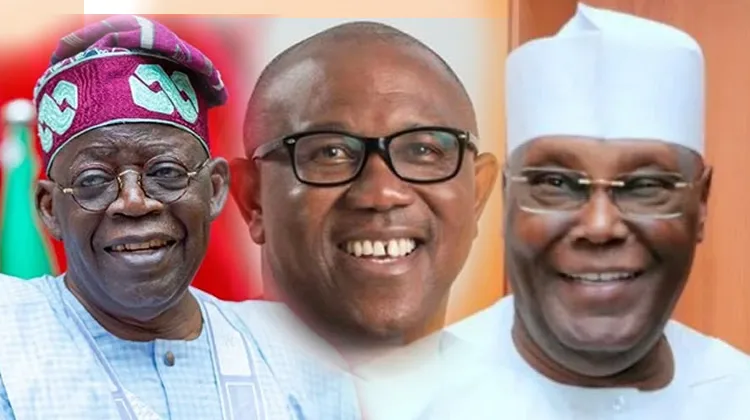
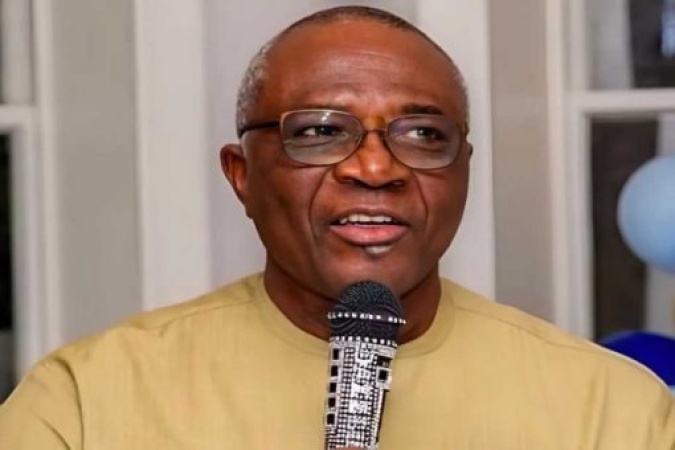
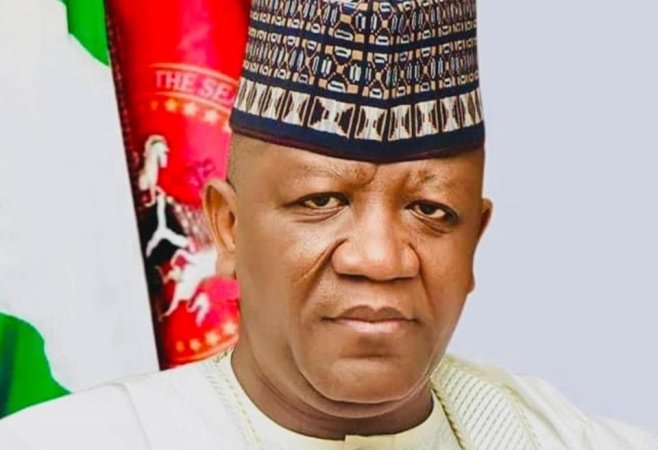
However, President Bola Ahmed Tinubu, former Vice President Atiku Abubakar and former Anambra State governor, Peter Obi, chose markedly different ways to make their presence felt on the first day of the race.
While Tinubu spent the day combining the responsibilities of an incumbent president with the political demands of a re-election campaign, Atiku went directly to Nigerians through a Facebook Live session, using the platform to attack one of the defining economic policies of the Tinubu administration.
Obi, meanwhile, opened his campaign with a message centred on competence, character, accountability and the need for voters to scrutinise the records and policy proposals of those seeking to govern the country.
The contrasting approaches came as the presidential campaign period officially commenced on August 19, 2026, ahead of the January 16, 2027 presidential election.
The candidates had also signed the National Peace Accord in Abuja the previous day, pledging to pursue peaceful and issue based campaigns.
For Tinubu, the first day of the campaign did not begin with a conventional presidential rally or an elaborate campaign launch.
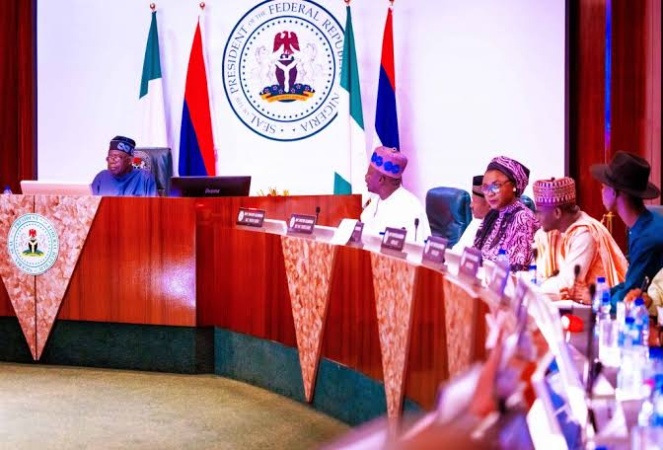
Instead, he was at the State House in Abuja presiding over a Federal Executive Council meeting, his first since June 29, 2026.
The coincidence was politically significant.
As his challengers began making their cases to voters, Tinubu continued to project the image of a sitting president focused on governance.
The FEC meeting took a number of decisions on the economy, education, infrastructure and other areas of national administration.
Among the decisions announced after the meeting was Tinubu’s directive for liquid funds recovered by the Economic and Financial Crimes Commission (EFCC) to be channelled into the Nigerian Education Loan Fund, alongside efforts involving unclaimed dividends and dormant funds to strengthen student financing.
The development provided Tinubu’s camp with another opportunity to highlight the administration’s reform and “development” records as the president seeks a second term.
Opponents have however criticised these reforms.
Tinubu’s approach also underlined one of the central arguments likely to dominate his re-election campaign.
And that is whether Nigerians should judge his administration by the immediate hardship associated with his reforms or by the longer term economic and institutional changes his government says those reforms are designed to achieve.
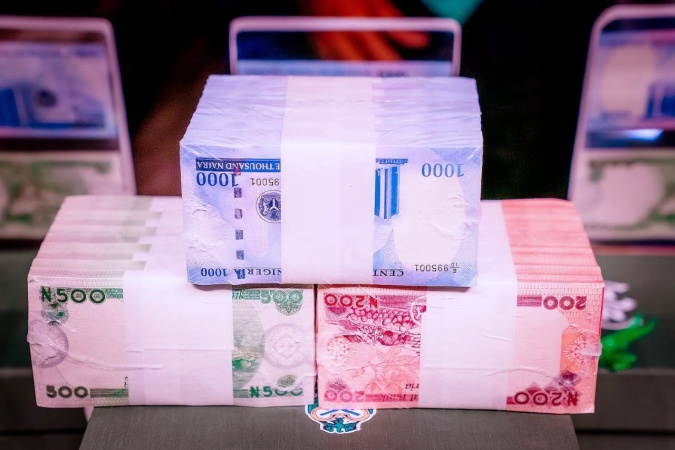
The removal of petrol subsidy and the naira reforms remain particularly contentious.
While the government has defended them as necessary measures, they have also been associated with a sharp increase in the cost of living and intense public criticism.
It is expected that economic hardship and insecurity are expected to be among the major issues shaping the election.
For Atiku, Day One offered an opportunity to go directly after that economic record.
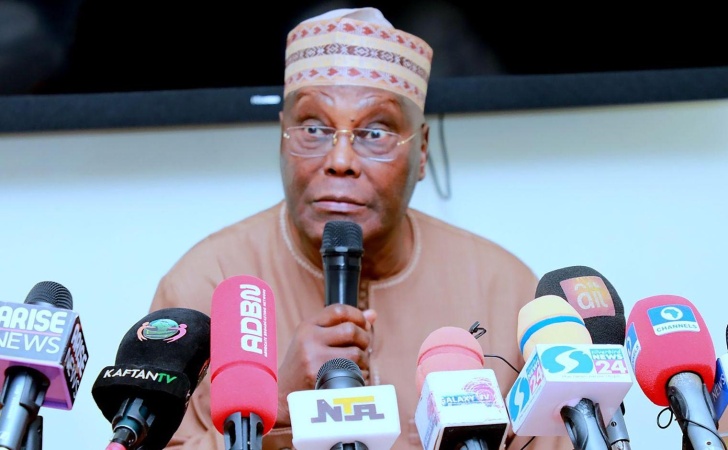
The ADC presidential candidate used a Facebook Live session on Wednesday to promise that he would restore the petrol subsidy if elected president in 2027.
Atiku’s position amounts to a direct challenge to one of the signature decisions of the Tinubu administration.
He questioned what had happened to the savings generated from the removal of the subsidy, arguing that Nigerians should have seen clearer benefits from the policy through improved public services.
His message effectively placed the subsidy question at the centre of his opening campaign pitch, giving voters a sharply different proposition from the policy direction pursued by Tinubu.
Atiku also used the campaign opening to demand greater accountability over government finances.
In a statement issued through his Senior Special Assistant on Public Communication, Phrank Shaibu, he questioned approximately N30 trillion in Federation revenues, deductions, savings and transfers which he said required transparent reconciliation.
The former vice president’s campaign entered Day One with an unmistakable opposition message to challenge the economic record of the incumbent.
He also questioned how public resources are being managed and offered Nigerians a different direction on fuel pricing.
His decision to use Facebook Live was also significant in the context of modern Nigerian electioneering.
It allowed him to address voters without waiting for a traditional rally or large political gathering.
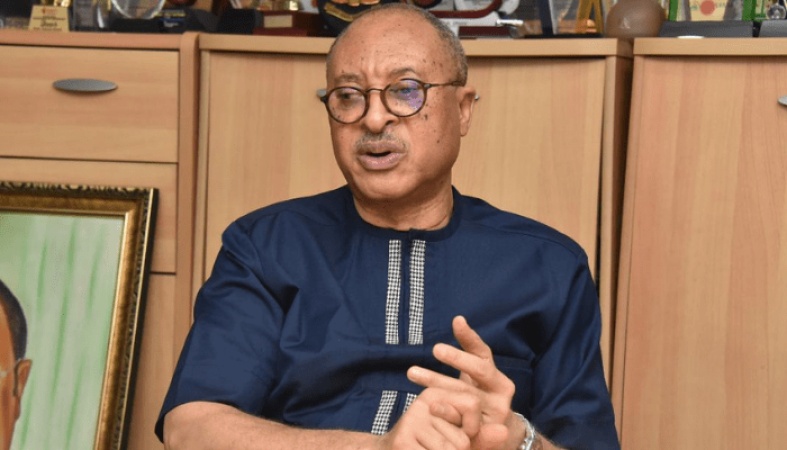
For Obi, however, the opening day was less about unveiling a dramatic policy reversal and more about defining the terms on which he wants Nigerians to judge the presidential contest.
His media office presented him as the “Candidate of Conscience”, urging Nigerians to use the 150 day campaign period to scrutinise the records, character and policy proposals of all presidential candidates.
The NDC presidential candidate and the former Anambra governor’s opening message placed considerable emphasis on competence and substance rather than slogans.
His camp argued that the campaign should be an opportunity for Nigerians to interrogate the capacity of those seeking the presidency and examine whether their previous records support the promises being made to voters.
Obi’s proposed direction includes moving Nigeria from consumption to production, reducing the cost of governance, strengthening education and healthcare, improving security and creating greater economic opportunities.
That message is consistent with the political identity Obi has sought to build around economic productivity, prudence and accountability.
But it also positions him directly against what his campaign describes as politics driven primarily by slogans and propaganda.
His media office said the next 150 days should be devoted to examining the records, ideas and character of the candidates rather than merely listening to campaign rhetoric.
The three approaches have consequently offered an early glimpse of the political battle likely to unfold over the coming months.
Tinubu, as the incumbent, begins from the advantage of being able to campaign on the record of an administration that has already taken major economic decisions, while also having to defend those decisions against mounting criticism over their impact on households.
Atiku is seeking to convert that discontent into an argument for political change, with the restoration of petrol subsidy emerging as one of his clearest opening promises.
Obi, for his part, is attempting to make competence, accountability and a production driven economy the defining questions of the election.
He is thus asking voters to assess candidates beyond party structures, campaign crowds and political slogans.
The opening day has therefore revealed more than the individual activities of the three leading contenders.
It has offered an early indication of the arguments each intends to take to the electorate.
The real contest, however, will be whether these opening messages can be converted into broad voter support as the 2027 campaign gathers momentum. (Daily Trust)