ADAD
ADAD
Updating your news feed...
NEWS EXPRESS is Nigeria’s leading online newspaper. Published by Africa’s international award-winning journalist, Mr. Isaac Umunna, NEWS EXPRESS is Nigeria’s first truly professional online daily newspaper. It is published from Lagos, Nigeria’s economic and media hub, and has a provision for occasional special print editions. Thanks to our vast network of sources and dedicated team of professional journalists and contributors spread across Nigeria and overseas, NEWS EXPRESS has become synonymous with newsbreaks and exclusive stories from around the world.

Loading banners
Loading banners...

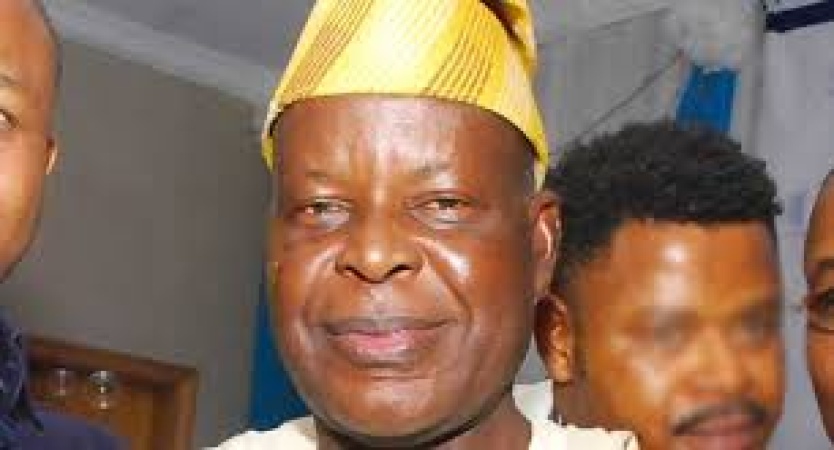
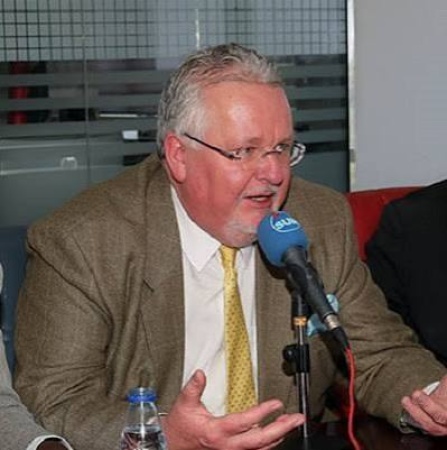
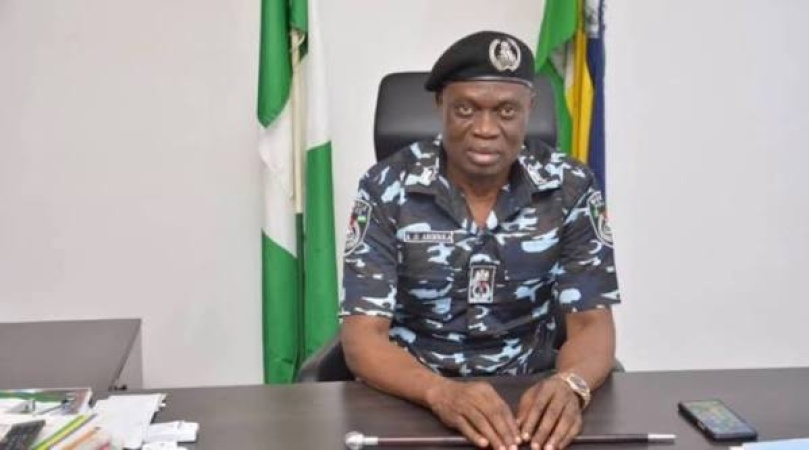
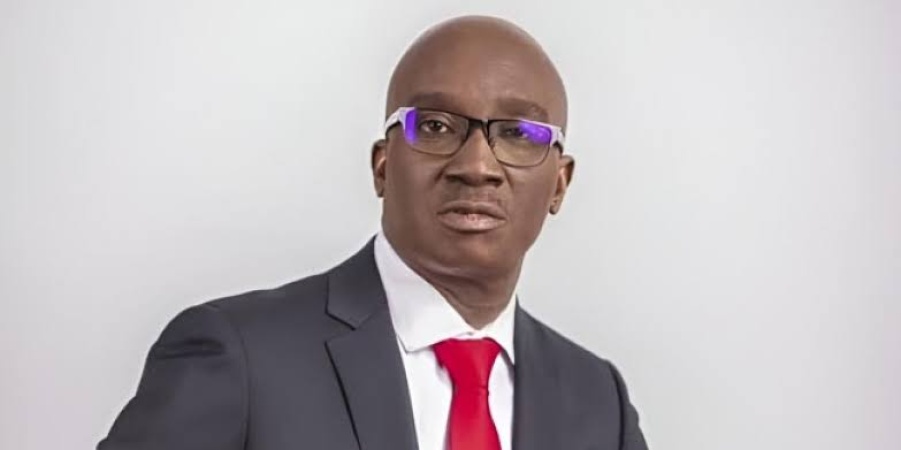
Former IGP Mike Okiro
Former Inspector General of Police, Mike Okiro, has called for a comprehensive overhaul of Nigeria’s security architecture, warning that the country must adopt a new roadmap to tackle worsening insecurity after years of persistent challenges.
Speaking in an interview with ARISE NEWS on Tuesday , Okiro warned that the country’s security challenges have become deeply entrenched and require what he described as a “different roadmap”, including the possibility of drawing on specialised external support and restructuring existing policing strategies.
He said insecurity in Nigeria has persisted for more than 20 years without a lasting solution, stressing that it affects every segment of society and has created widespread fear and economic stagnation.
Okiro said:“We do it differently this time around. Is it that this problem that has spanned over 20 years, we have no clues, no solution? Probably. Is it time to bring in mercenaries like Goodluck Jonathan back? Now, the nature of this insecurity is not that I do it for years.
“ And some good governments are not that much. And I think it’s time. We call it spread speech. I’m not proposing to what we are doing in this country. Because the insecurity applies to everybody. Everybody faces it. No matter how big a house you are, there is this insecurity by the village. Because if it is good children, I feel it. Parents, I feel it. Workers, I feel it.”
He further argued that insecurity has become a national crisis that undermines safety, investment, and mobility.
“I think it’s time for government to really come up with a different roadmap on how to convert this insecurity in Algeria. The issue of mission is yes. There’s no country, even as big as even America has mission others. So people, if you feel you can also send an adventure, a loan, you have to be able to assist you.
“So if the government faces necessary for it to be misnourished, people who have the new house, who are knowledgeable to convert this insecurity to this country, they can do it. They can do it. But they relax and say it’s not something good for this country. We must proceed.
“We must move forward. When there is insecurity nobody can move forward. They will be afraid to go out. Even if an investors cannot come in, you can invest in a situation where the lives and property are not secured.”
Okiro insisted that government must urgently act, warning that insecurity will continue unless deliberately tackled.
“So I think the government has to wake up, and it’s going to be there for a long time. But we tackle it each time when government should tackle it.”
On the ongoing debate around the creation of state police, Okiro said the issue must be approached with caution, noting that Nigeria previously operated regional policing structures before they were centralised.
“The issue of state police. Look at what has happened in the past. Before the military regime had the regional police and all that. But good administration came and unified the state police force. But then we found that there are some loopholes.”
He identified chronic underfunding, manpower shortages, and lack of equipment as major weaknesses affecting the Nigeria Police Force.
“One is that the police are not well funded. The police don’t have enough manpower. The police don’t have equipment. This is because the federal government has so many problems. The police is just one of them. And you can realise why there is a crisis in Nigeria.”
Okiro said neglect of the police system has worsened insecurity across the country.
“The neglect of the police is what I see now. The federal government for some time has not funded the police properly. The police lack manpower. I remember I had to write to the United States President. I said some police experts have been closed because of lack of manpower. You see young men and women educated, but they are not in the police. What do you expect?”
He argued that state governors may need to play a stronger role in security management due to their proximity to local realities.
“I think governors can now do better because the governor, for example, knows what is happening in his state. The governor of Rivers has a problem. He knows that the President has a problem. And the problem is so catastrophic. He knows the same problem in Bayelsa. There are different issues. So the governor knows that people in their states are not secure. They have to do everything they need.”
However, he warned that any decentralised policing system must be guided by strict checks and balances.
“That should be checks and balances. There should be regulations on how the state government or state governor will handle the police. Otherwise, if you give 100 per cent power to the police or the governor, there will be abuse. Even in states, there must be limits. The National Assembly should make laws to guide and guard the police.”
On legislative proposals suggesting that the National Assembly should confirm the Inspector-General of Police instead of the Police Council, Okiro said the existing structure already has broad representation.
“The National Assembly represents all Nigerians. I know the Constitution has said that the confirmation of the IG should be done by the Police Council. A Police Council includes the governors. So I think there is nothing wrong with that. The Council includes the governors and the President. So I don’t think it is advisable to move it entirely to the National Assembly.”
Okiro also revisited his “Securing the Children” initiative introduced in 2012, lamenting that it was never implemented despite its focus on protecting schools from attacks.
“In May 2012, I met with the President on how to secure our schools. Our schools were open and vulnerable. I proposed a special school protection unit within the police, not a mobile arrangement, but special squads with vehicles stationed to protect schools. There were federal government colleges in Nigeria. I said the federal government should deploy policemen and special squads trained to protect schools.”
He added that the initiative also included training programmes for students and teachers.
“We also brought up students for seminars and conferences to teach them maintenance and quality in schools. After that, they would go back and train others. This was part of the proposal for education and security.”
Okiro said the proposal was later revisited but failed to materialise due to lack of implementation.
“In 2018, it was brought up again. A committee was set up to do it. But it did not happen. If they had listened to me, it could have worked. It is unfortunate that we are here today.”
He also alleged mismanagement in some Safe School Initiative funding efforts.
“Civil society groups are saying they cannot account for money raised for the Safe Schools Initiative. They are just taking part of the money and putting it into their own projects. They raised a lot of money for Safe Schools. Today, they cannot account for the money.”
Okiro concluded by urging government to revisit abandoned security proposals and ensure accountability in all security-related funding and reforms. (AriseNews TV)