ADVERTISEMENT

ADVERTISEMENT

ADVERTISEMENT

ADVERTISEMENT






















Loading banners
Loading banners...


NEWS EXPRESS is Nigeria’s leading online newspaper. Published by Africa’s international award-winning journalist, Mr. Isaac Umunna, NEWS EXPRESS is Nigeria’s first truly professional online daily newspaper. It is published from Lagos, Nigeria’s economic and media hub, and has a provision for occasional special print editions. Thanks to our vast network of sources and dedicated team of professional journalists and contributors spread across Nigeria and overseas, NEWS EXPRESS has become synonymous with newsbreaks and exclusive stories from around the world.
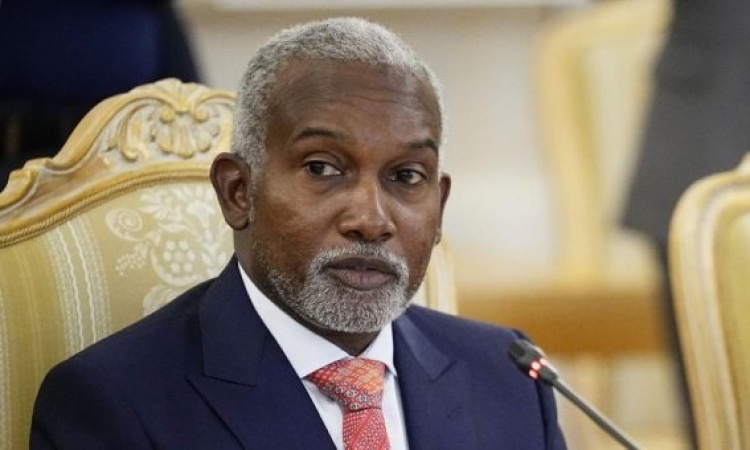
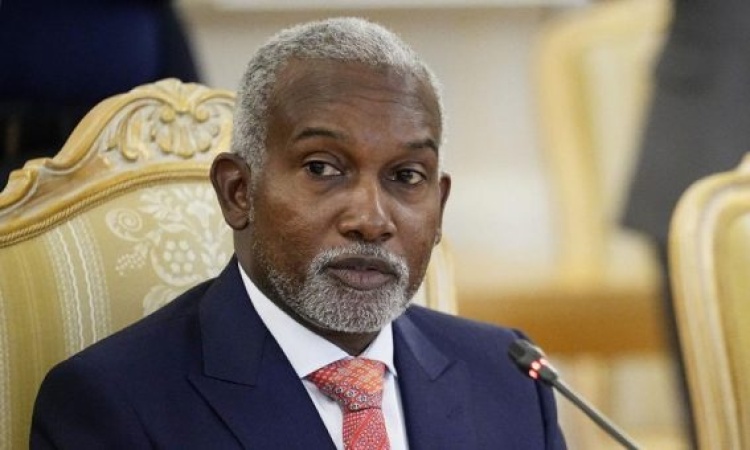
Minister of Foreign Affairs, Yusuf Tuggar
By IBIRONKE ARIYO
The Federal Government has reiterated its commitment to strengthening international partnerships to address transnational organised crime, corruption and emerging security threats., commitment
Minister of Foreign Affairs, Yusuf Tuggar, made this known at the inauguration of the United Nations Office on Drugs and Crime (UNODC) Country Programme for Nigeria 2026–2030, on Friday in Abuja.
The minister who was represented by a director in the ministry, Yusuf Mustapha, said the United Nations system had, over the years, built a strong collaboration with the Federal Government.
This, he said, had been helping the country navigate evolving global and domestic challenges.
“The unveiling of the UNODC Country Programme marks a new chapter in Nigeria’s partnership with the UN, aimed at promoting justice, security and sustainable development,” he said.
Tuggar described the programme as a landmark initiative and the first comprehensive framework of its kind in five years, designed to address transnational organised crime, corruption and other threats undermining national stability.
The minister noted that while Nigeria possessed significant potential for regional development, it also faced complex and interconnected challenges, including drug trafficking, organised crime, corruption and cybercrime.
“These challenges are dynamic and continue to evolve, requiring structured and coordinated responses,” he said.
Tuggar explained that the Country Programme 2026–2030 represented a shift from ad-hoc interventions to a more structured, evidence-based approach aligned with Nigeria’s national priorities.
According to him, the programme focuses on critical areas such as justice and the rule of law, terrorism and violent extremism, anti-corruption, organised crime.
“This includes wildlife and environmental crimes as well as drug use and related health issues.
“These priority areas form the foundation of our cooperation and will guide efforts toward building a more just and equitable society,” he said.
The minister emphasised that the programme would strengthen national institutions and enhance governance, while reinforcing Nigeria’s capacity to combat crime and promote peace and stability.
He commended the continued support of UNODC, noting its critical role in providing technical expertise and capacity building to support Nigeria’s efforts.
He assured that the Ministry would work closely with UNODC and other development partners to ensure effective implementation of the programme and achievement of shared objectives.
“We believe this programme will significantly contribute to peace, stability and development in Nigeria,” he said.
Tuggar also highlighted the importance of stakeholder engagement, particularly the role of the media and civil society as watchdogs and key implementers in ensuring accountability and success of the initiative.
He stressed that no single country or institution could address the challenges alone, calling for sustained collaboration at national, regional and global levels.
“As we launch this programme, let us commit not just to implementation, but to meaningful impact that improves lives,” he said.
In his goodwill message, the National Coordinator, National Counter Terrorism Centre (NCTC), Maj.-Gen. Adamu Laka, warned that terrorism in Nigeria was increasingly intertwined with organised crime, corruption, drug trafficking and illicit financial networks.
Laka described the programme as a forward-looking and strategic framework that reflects current security realities and the urgency of collective action in addressing evolving threats.
According to him, the initiative comes at a critical time when Nigeria and the global community are confronted with complex and interconnected challenges, including terrorism, organised crime, drug trafficking and illicit financial flows.
“The strength of this programme lies in its recognition that the challenges we face are interconnected,” he said.
The NCTC boss explained that terrorism was no longer an isolated threat but one that was deeply linked with other forms of criminality, requiring coordinated and multi-dimensional responses.
He said the centre’s mandate focused on strengthening counterterrorism efforts, enhancing responses to violent extremism and promoting a whole-of-government and whole-of-society approach to national security.
He commended UNODC for its sustained support to Nigeria, particularly in providing technical expertise, capacity building and policy guidance across key priority areas.
He highlighted the programme’s emphasis on strengthening criminal justice systems, combating corruption, enhancing law enforcement and addressing the root causes of violent extremism as both timely and strategic.
He also praised its focus on rights-based approaches, protection of vulnerable groups and evidence-driven interventions, describing them as essential for building resilience, sustaining peace and ensuring accountability.
“As Africa’s most populous nation, Nigeria’s stability has far-reaching implications for regional and global peace and development,” he said.
Laka noted that the programme not only supports Nigeria’s national priorities but also reinforces broader regional and international efforts to promote security and sustainable development.
He reaffirmed the NCTC’s commitment to deepening collaboration with UNODC and other stakeholders to ensure effective implementation of the programme.
“We look forward with great enthusiasm and optimism to the impact this initiative will deliver over the next five years and beyond,” he said. (NAN)