ADAD
ADADUpdating your news feed...

NEWS EXPRESS is Nigeria’s leading online newspaper. Published by Africa’s international award-winning journalist, Mr. Isaac Umunna, NEWS EXPRESS is Nigeria’s first truly professional online daily newspaper. It is published from Lagos, Nigeria’s economic and media hub, and has a provision for occasional special print editions. Thanks to our vast network of sources and dedicated team of professional journalists and contributors spread across Nigeria and overseas, NEWS EXPRESS has become synonymous with newsbreaks and exclusive stories from around the world.
.webp)








.webp)

Loading banners
Loading banners...

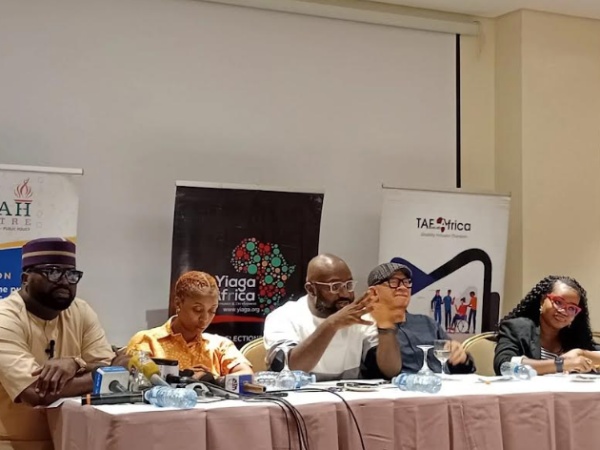
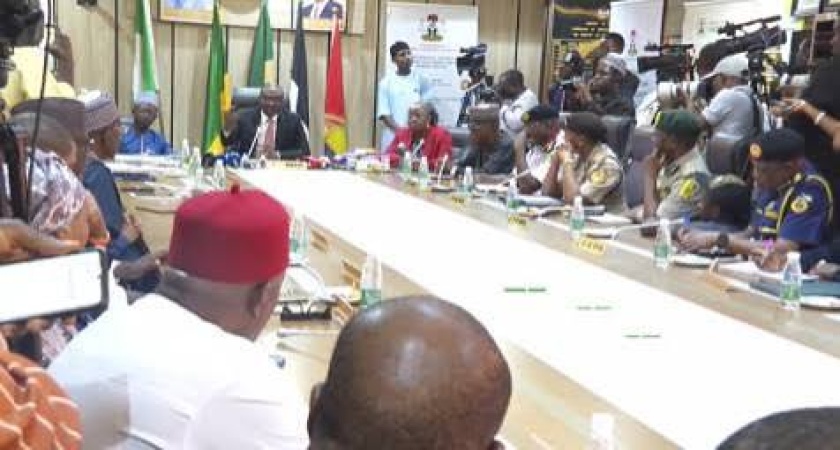
Coalition members addressing press conference
By EMMANUEL OLONIRUHA
A coalition of civil society organisations has raised reservations about the Electoral Act 2026, saying the new law does not sufficiently address key challenges affecting Nigeria’s electoral process.
The group made the position known during a news conference in Abuja on Thursday.
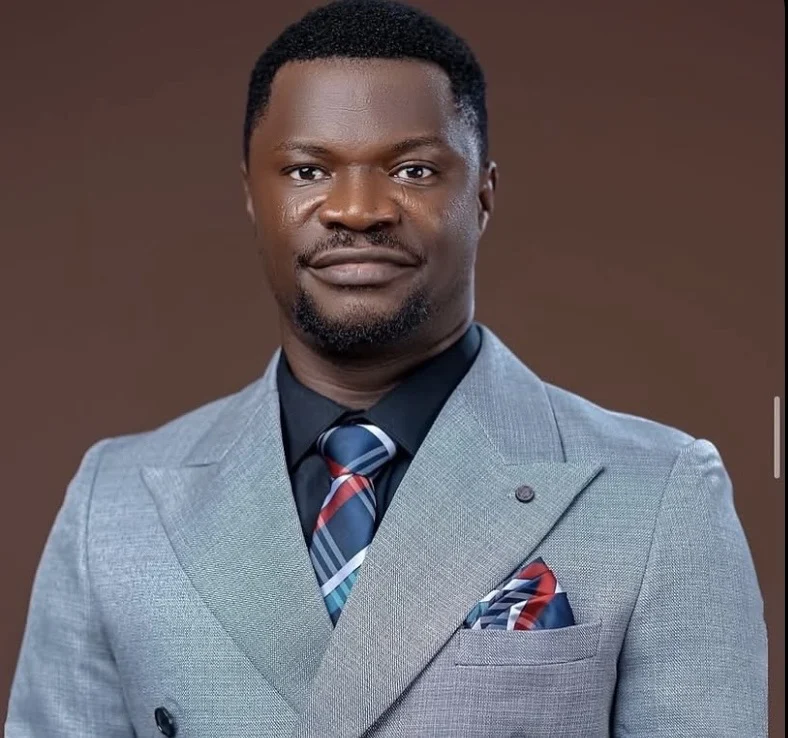
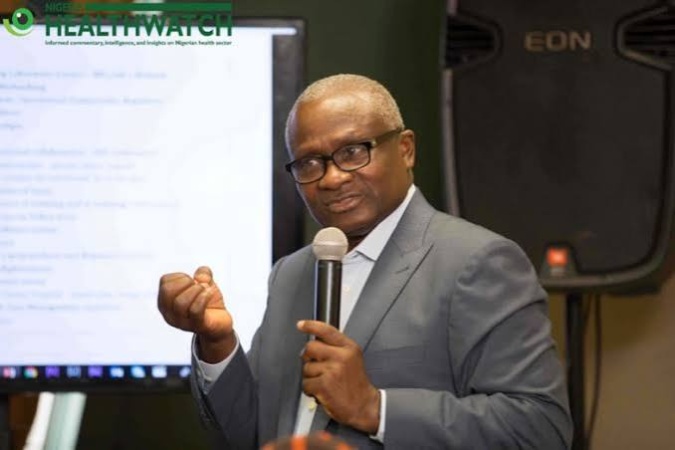
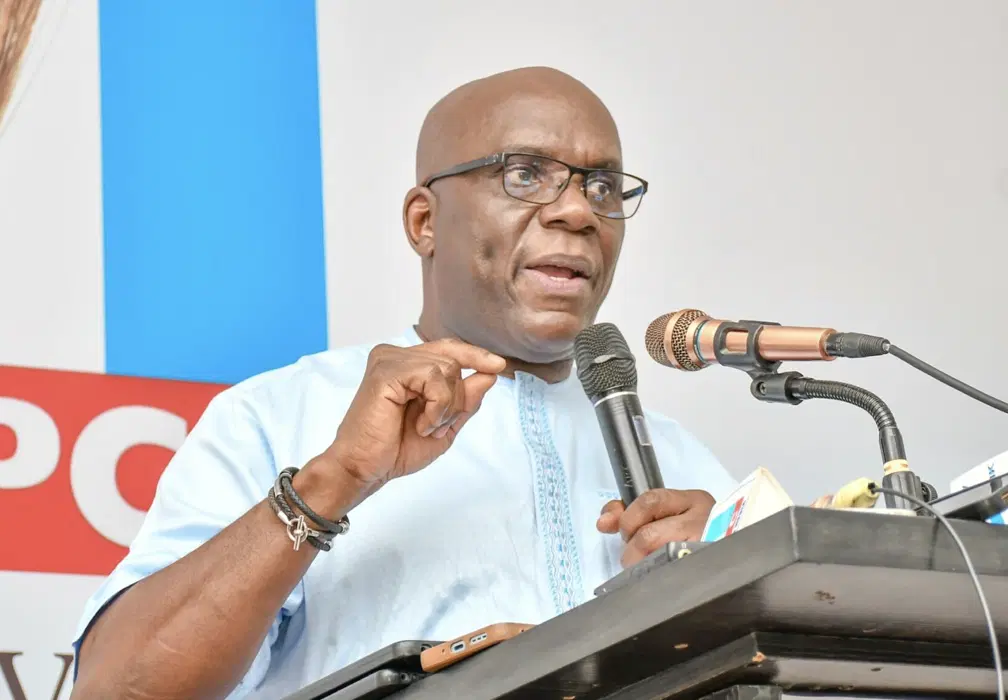
Speaking during the conference, Mr Jake Epelle, Founder and CEO of the Albino Foundation (TAF) Africa, expressed concern over the speed and opacity of the legislative process, saying the development raised questions about transparency and commitment to credible electoral reform.
Epelle said the law preserved some provisions of the 2022 framework but left critical loopholes and introduced barriers that could weaken participation and electoral integrity.
He also criticised the adoption process, alleging that last-minute amendments were neither published nor adequately reviewed before approval by both chambers.
According to him, limited debate on key clauses, including electronic transmission of results, undermined informed legislative consent and public confidence in democratic lawmaking.
He further faulted presidential assent granted in spite protests and appeals for safeguards such as real-time transmission, downloadable voter cards and clear electoral timelines.
He, however, welcomed provisions allowing downloadable voter cards, disability-disaggregated voter registration and stronger penalties for falsification of election results.
“We register our profound concern about the process through which the Electoral Bill that was passed between the third reading and adoption of the harmonised version of the bill.
“The final version of the Bill voted upon reportedly contained last-minute amendments that were neither published nor made available to civil society or the broader public prior to adoption.
“More concerning is that the harmonised Bill produced by the Conference Committee was adopted by both chambers via voice vote without prior distribution of the final consolidated text to all members as was reported by some legislators,” he said.
Epelle warned that ambiguities around transmission failure, compressed electoral timelines, restrictions on result review and high party registration fees could undermine inclusiveness and credibility.
He urged INEC to release a revised 2027 timetable, issue clear regulations and conduct nationwide transmission simulations.
He also called on political parties to defend electronic transmission and on the legislature to publish the final signed Electoral Act without delay.
Also speaking, the Spokesperson of the House of Representatives, Akin Rotimi, maintained that the parliamentary process followed constitutional and procedural requirements in the interest of Nigerians.
According to him, the law mandates electronic transmission of results, while manual submission serves only as a fallback where transmission fails for valid reasons.
He added that strict penalties exist for returning officers who fail to transmit results without justification and called for broader public education on other strengthened provisions of the Act.
The spokesperson welcomed calls for the to test transmission systems and release a revised electoral timetable to enhance certainty and preparedness among stakeholders.
“I want to assure you that in terms of the process, every single thing was done in keeping with the Constitution, in keeping with the House rules, the Senate rules, and all of that.
“I always like to say that democratisation, of which elections is a critical ritual, is a process.
“We’re at this point, and it doesn’t preclude the fact that there are opportunities in the future to amend the Electoral Act further when we have more facts and details before us,” he said.
He assured Nigerians that the 10th Assembly would continue efforts to rebuild public trust, describing recent developments as part of democratic evolution toward free, fair and credible elections.
The News Agency of Nigeria (NAN) reports that the news conference was also attended by the Centre for Media and Society, Kukah Centre, International Press Centre, Elect Her, Nigerian Women Trust Fund, and Yiaga Africa. (NAN)