Updating your news feed...

NEWS EXPRESS is Nigeria’s leading online newspaper. Published by Africa’s international award-winning journalist, Mr. Isaac Umunna, NEWS EXPRESS is Nigeria’s first truly professional online daily newspaper. It is published from Lagos, Nigeria’s economic and media hub, and has a provision for occasional special print editions. Thanks to our vast network of sources and dedicated team of professional journalists and contributors spread across Nigeria and overseas, NEWS EXPRESS has become synonymous with newsbreaks and exclusive stories from around the world.














Loading banners
Loading banners...

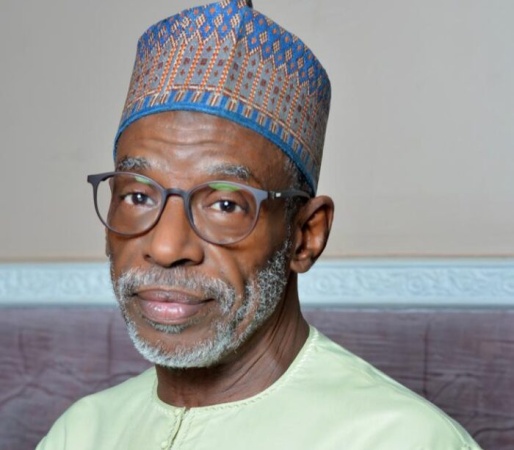
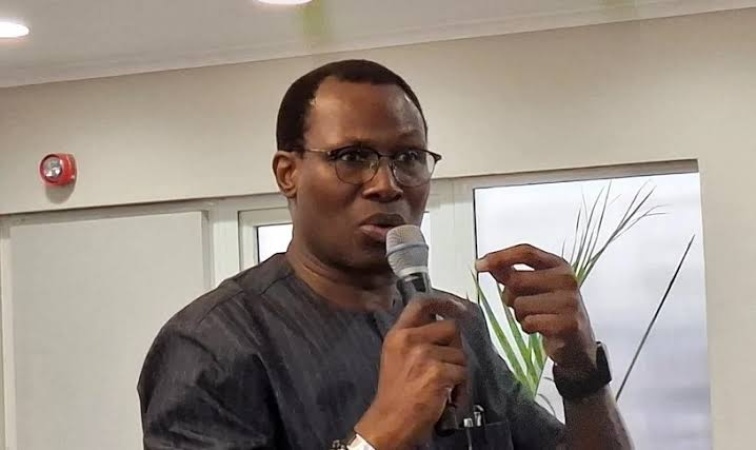
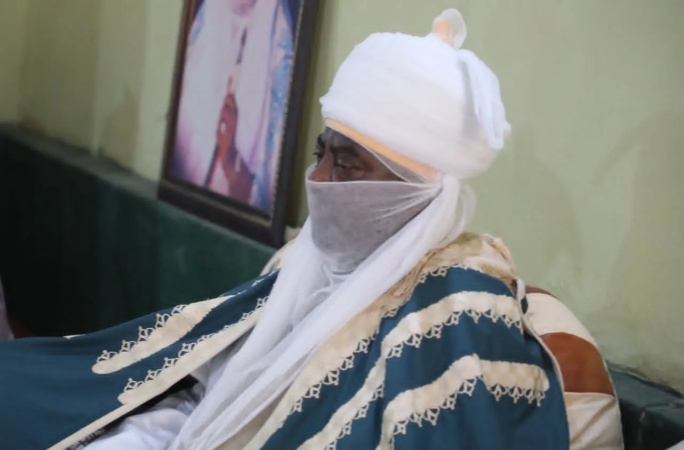
NafiuBaba-Ahmad, Secretary General, SCSN
The Supreme Council for Shari’ah in Nigeria (SCSN) has called for a probe into the discrepancies between the tax bills passed by the National Assembly and the one gazetted and signed into law by President Bola Ahmed Tinubu.
On Wednesday, a member of the House of Representatives, Hon. Abdulsammad Dasuki (PDP Sokoto) raised a matter of privilege on the floor of the House, alleging discrepancies between the tax laws passed by the National Assembly and the versions subsequently gazetted and made available to the public.
Rising under Order Six, Rule Two of the House Rules on a Point of Privilege, Dasuki told the House that his legislative privilege had been breached, insisting that the content of the tax laws as gazetted did not reflect what lawmakers debated, voted on and passed on the floor of the House.
However, in a statement on Thursday NafiuBaba-Ahmad, the Secretary General of Council, said that the Council noted the alleged additional clauses and other substantial material alterations appearing in the gazetted tax laws signed by the President with utmost seriousness.
The statement added that the additions were neither debated nor approved by the National Assembly.
The statements read, “If established, this represents a grave and egregious constitutional infraction with far-reaching implications for democracy, governance, economic stability, and public trust.
“Given the profound impact of tax legislation on the lives, livelihoods of ordinary citizens, businesses, and religious, social, and economic obligations of Nigerians, the Supreme Council for Shari’ah in Nigeria actively monitored and contributed immensely throughout the legislative process of considering these tax reform bills at the National Assembly. Our engagements were guided by the need to ensure fairness, equity, transparency, constitutional compliance, and protection of the public interest.
“The Council is therefore shocked and deeply disturbed by allegations on the floor of the House of Representatives that what Nigerians collectively debated, scrutinised, and agreed upon through their elected representatives may have been altered at the executive level.
“Such action, if established, tantamount to tampering with the sovereign will of the Nigerian people and undermines the very foundation of constitutional governance.”
Accordingly, the council called on all stakeholders, in particular, the leadership of the National Assembly — the Speaker of the House of Representatives, Rt. Hon. Tajuddeen Abbas, and the President of the Senate, Senator Godswill Akpabio — to rise to their constitutional responsibilities by ensuring that these claims are transparently examined and appropriate actions taken before the commencement of the Tax Laws, on the 1 January, 2026.
The statement added, “Nigerians deserve respect, transparency, and fidelity to due process. Members of the National Assembly must be allowed, without hindrance, to conduct a critical, open, and transparent comparison between the harmonised bills passed by both chambers and the versions that were eventually gazetted, in order to establish the nature, extent, and impact of any alterations.
“The consequences of such alleged infractions are grave. They include erosion of public confidence in democratic institutions, weakening of the doctrine of separation of powers, exposure of the affected laws to constitutional challenges, economic uncertainty, and loss of investor confidence. Most critically, they set a dangerous precedent where laws become negotiable instruments rather than binding outcomes of democratic deliberation.
“Tax laws, by their compulsory nature, demand the highest level of constitutional integrity and procedural fidelity. Nigerians cannot be expected to comply with fiscal obligations arising from laws whose authenticity and legislative origin are in doubt. The Council therefore urges that this matter be treated with urgency, sincerity, and transparency in order to preserve constitutional order, protect institutional credibility, and reaffirm the supremacy of the Nigerian Constitution.
“Nigeria’s democracy must not be undermined by executive overreach or procedural shortcuts. The will of the people, as expressed through the National Assembly, must be respected and defended.” (Daily Trust)