 ADAD
ADAD
Updating your news feed...
NEWS EXPRESS is Nigeria’s leading online newspaper. Published by Africa’s international award-winning journalist, Mr. Isaac Umunna, NEWS EXPRESS is Nigeria’s first truly professional online daily newspaper. It is published from Lagos, Nigeria’s economic and media hub, and has a provision for occasional special print editions. Thanks to our vast network of sources and dedicated team of professional journalists and contributors spread across Nigeria and overseas, NEWS EXPRESS has become synonymous with newsbreaks and exclusive stories from around the world.

.webp)

.webp)







Loading banners
Loading banners...

A member of President Bola Tinubu’s legal team in the United States, Wole Afolabi (SAN), has dismissed concerns over the continued withholding of portions of records held by the Federal Bureau of Investigation (FBI) and Drug Enforcement Administration (DEA) concerning the Nigerian president.
Afolabi said the legal team’s position was based on the provisions of United States law and was not an attempt to shield Tinubu from damaging information.
The Senior Advocate of Nigeria stated this during an appearance on Channels Television’s Sunday Politics, amid a legal battle over the release of records linked to allegations of drug trafficking involving Tinubu.
The dispute revolves around hundreds of pages of documents that investigative journalist Aaron Greenspan is trying to get released in their complete form.
According to Afolabi, the US government has already released documents relating to the matter but is resisting the disclosure of information it considers exempt under the Freedom of Information Act.
He said the FBI and DEA had raised concerns that releasing some of the information could compromise their agents, confidential sources and investigative methods.
Afolabi said Tinubu’s lawyers would be failing in their professional duties if they did not rely on the protections available under US law.
“It will amount to professional malpractice on our part if we don’t take advantage of what the law offers.”
He also rejected suggestions that the government’s decision to withhold portions of the records was intended to protect Tinubu personally.
According to him, the US government’s filings focused on protecting agents, sources and investigative techniques rather than shielding the Nigerian president.
“They are saying that if we discuss this publicly, we would compromise our agents; we would compromise the techniques that we use to get information,” Afolabi said.
He added that the agencies were also concerned about exposing informants.
“They have sources, they have informants. They don’t want them to be compromised,” he said.
Addressing allegations that Tinubu was involved in drug trafficking, Afolabi maintained that the evidence did not establish criminal culpability.
He argued that if US authorities had sufficient evidence to prosecute Tinubu for drug trafficking, he would have been indicted.
“If he was culpable, he simply would have been indicted. There’s no shortcut around it.”
Afolabi also stressed that being investigated by law enforcement did not necessarily mean that a person had committed an offence.
“Anyone can be a subject of investigation. That’s just how it goes,” he said, adding that the presumption of innocence remained applicable.
The lawyer was, however, unwilling to disclose details of Tinubu’s explanation concerning the $460,000 that was forfeited to the US government in the 1990s.
He cited attorney-client privilege, saying he could not reveal confidential information provided to him by the president.
“Unfortunately, I can’t divulge any information that my client had disclosed to me confidentially,” Afolabi said.
Afolabi also dismissed concerns that the controversy over Tinubu’s US records could affect the president’s political standing or fitness for office.
Responding to questions about whether withholding the documents was unfair to Nigerians, he said voters would ultimately assess Tinubu based on his performance and campaign promises.
“The Nigerian people knew who they voted for.”
“At the end of the day, the election will not be decided on what document exists where,” he added.
According to him, the 2027 election would instead be determined by “promises made, promises kept, what is going on, what are the costs.”
The lawyer also defended the argument that Tinubu retained privacy rights despite being Nigeria’s president.
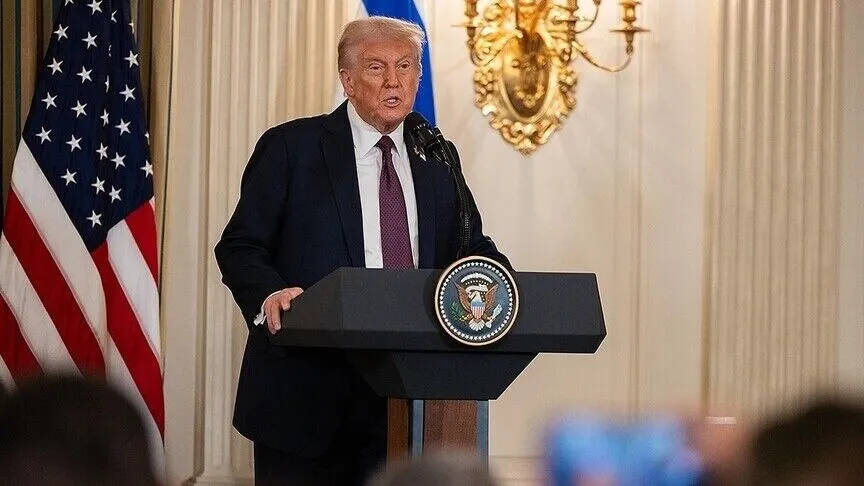
He cited the example of US President Donald Trump, who previously sought to prevent the release of his academic records, arguing that public office does not automatically eliminate an individual’s legal right to privacy.
Afolabi said the legal team was therefore acting within the law in challenging the release of material it considered protected.
“Basically, what we are doing is we are staying within the confines of the law. And we advise our client to do so. It’s what the law avails him.”
Afolabi said the legal proceedings over the records were still ongoing, with the plaintiff expected to file a response by September 11.
He said the US Department of Justice would have until September 18 to respond, after which the judge would consider the matter.
The lawyer also maintained that the fact that the FBI or DEA may have investigated Tinubu should not, on its own, be interpreted as evidence of wrongdoing.
He reiterated that the legal team would await the court’s decision rather than speculate about what could happen if the judge orders the release of additional records.
“In my business, we don’t speculate. We have to wait until the decision is handed down.”
The legal dispute over Tinubu’s records has continued to attract attention in Nigeria, particularly because of the allegations surrounding the $460,000 forfeiture and questions over whether additional US government records could shed light on the circumstances surrounding the matter. (The Sun)



