ADVERTISEMENT

ADVERTISEMENT

ADVERTISEMENT

ADVERTISEMENT

Updating your news feed...
NEWS EXPRESS is Nigeria’s leading online newspaper. Published by Africa’s international award-winning journalist, Mr. Isaac Umunna, NEWS EXPRESS is Nigeria’s first truly professional online daily newspaper. It is published from Lagos, Nigeria’s economic and media hub, and has a provision for occasional special print editions. Thanks to our vast network of sources and dedicated team of professional journalists and contributors spread across Nigeria and overseas, NEWS EXPRESS has become synonymous with newsbreaks and exclusive stories from around the world.
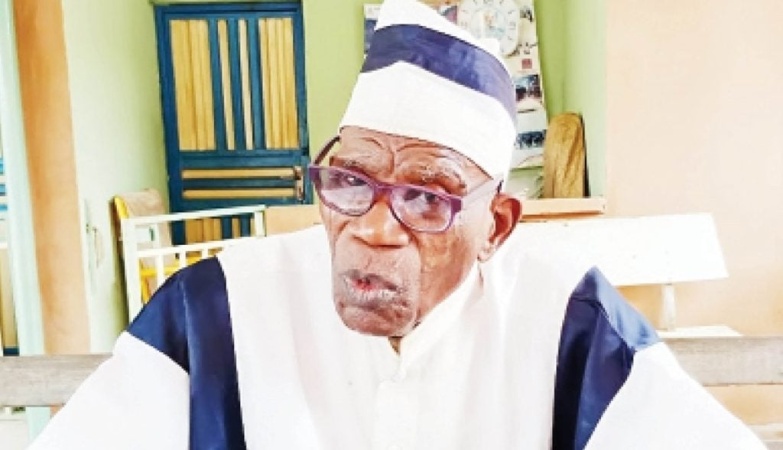
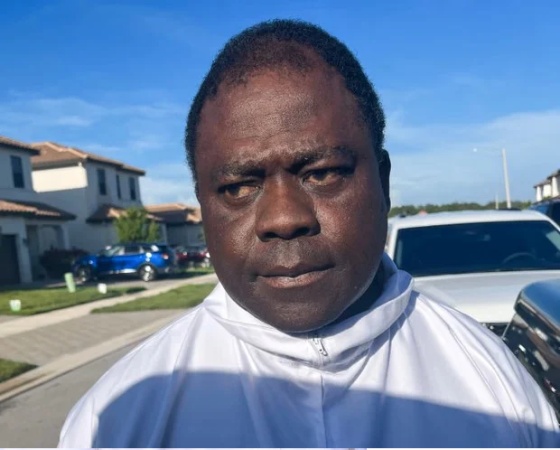
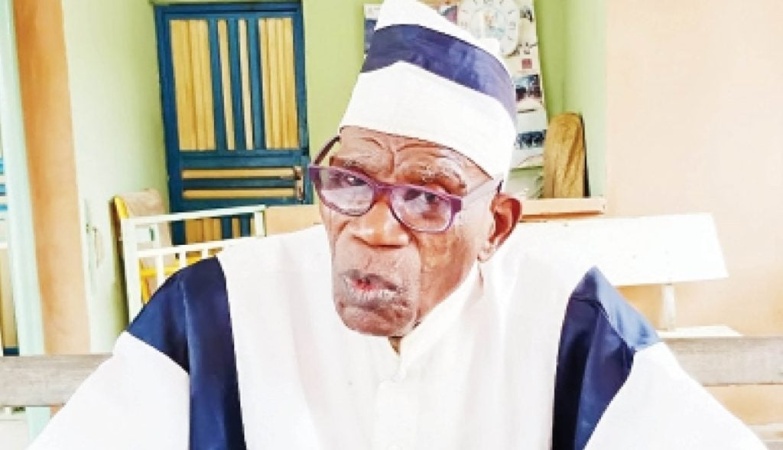
Major Rasaki Salawu
As insecurity continues to grow across Nigeria, concerns over bandit attacks, kidnappings and the safety of lives and property have remained major issues among Nigerians. In this interview BY Busola Oworu, a retired military officer, Major Rasaki Salawu, shares his views on the country’s security challenges, the role of the military and intelligence agencies, the issue of state police, and what government must do to restore peace and security in the nation.
One of the troubling narratives in Nigeria today is insecurity. From your perspective as a retired military officer, what exactly is wrong with the country’s security architecture, and what are the ways forward?
Security is a very important issue, and I will speak frankly from my personal experience and understanding.
Honestly, when people talk about Nigeria’s security architecture today, I become confused. I no longer know who is truly in charge of security in this country. If there had been a proper security structure before, then it is either no longer functioning, not properly maintained, or simply abandoned. What we are witnessing today suggests that the system is not working effectively.
During my years in military service, I had the privilege of travelling to several countries for training and operational exposure. Security architecture in any serious nation is built on a clear blueprint — a tested and coordinated plan that every security agency follows.
Traditionally, internal security is the responsibility of the police, while the military is responsible for protecting the territorial integrity of the nation. The Navy protects the seas and waterways, the Air Force secures the airspace, and the Army protects the land borders and territory. These institutions are expected to work in coordination.
But today, Nigerians are confused. Who exactly is responsible for what? Is there proper coordination among the security agencies? I honestly do not think so.
The media now informs us daily about kidnappings, bandit attacks, killings, and school abductions. Without journalists reporting these incidents, many Nigerians would not even know the extent of the crisis. Security has become so frightening that even inside one’s bedroom, with all doors locked, one still does not feel safe.
So, if you ask me about Nigeria’s current security architecture, I will say plainly, if there is any existing structure, it is not working.
Who is truly responsible for protecting Nigeria’s territorial integrity, especially against external threats?
The military is primarily responsible. Nigeria is surrounded by several countries, many of which are former French territories. We must ask ourselves, how strong are our border defenses? What level of coordination exists among the Army, Navy, Air Force, and Police?
That is where my concern lies. I honestly do not know who deserves praise or blame anymore.
However, I will say this clearly: when it comes to the issue of banditry and insurgency, the military bears major responsibility because territorial defense is fundamentally their duty.
During the era of General Sani Abacha, it was once suggested that if banditry persists for too long, then government likely knows about it. Looking at today’s situation, can we say government knows more than it admits?
That is a difficult question. I cannot simply say yes or no.
Bandits plan their operations carefully before striking. In most cases, they succeed before security agencies react. Only after the attack do investigations begin. But prevention should be the priority.
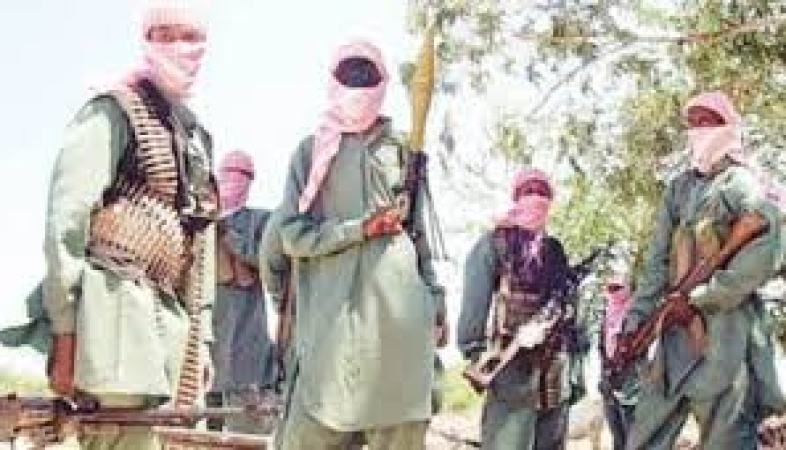
To me, what is worrying is that these bandits attack military formations, kill soldiers, invade communities, and operate almost freely across different states. No part of Nigeria seems untouched by insecurity.
That tells you the situation is serious.
Are these bandits more sophisticated than the Nigerian military? Do they possess superior weapons?
What I am about to say may sound uncomfortable, but I believe there are insiders helping them.
During the Congo operations in the 1960s, the Nigerian military began using AK-47 rifles extensively. Since then, that weapon system has remained effective globally. Today, the same sophisticated weapons are in the hands of bandits.
Where are they getting these weapons from? Who is supplying them? These are important questions.
There are intelligence departments in the Army, Navy, and Air Force. Intelligence units are trained specifically to gather information, analyse threats, and identify infiltrators. So why are these networks still operating freely?
The truth is that these criminal groups appear highly organised. They move across states, strike successfully, and disappear into forests and remote terrain. That level of coordination suggests assistance from informed insiders.
Can government fish out these insiders sabotaging national security?
It should be possible if there is genuine commitment. Intelligence gathering is one of the most important responsibilities in military operations. Security agencies are trained to understand terrain, vegetation, routes, logistics, and enemy movement patterns before any engagement.
Nigeria’s security forces possess the training and capability. The problem is implementation and coordination.
You cannot fight insecurity blindly. Effective intelligence must come before action.
Some Nigerians believe retired generals and senior military veterans have become silent or indifferent about the country’s insecurity. Do you think they still have a role to play?
Certainly, they do. In every secure nation, experienced military retirees are consulted regularly because they possess operational experience and strategic understanding accumulated over decades.
But there is also fear. If a retired officer gives advice and something later goes wrong, he may suddenly become a suspect. Many retired officers simply want peace after decades of service.
That said, Nigeria still has some of the finest military minds in Africa. During peacekeeping missions in Congo, Liberia, Sudan, and elsewhere, Nigerian officers earned enormous respect internationally.
I still maintain that the Nigerian military remains one of the best in Africa in terms of training and capability.
Islamic cleric, Sheikh Ahmad Gumi, has repeatedly positioned himself as a negotiator between government and bandits. What is your opinion about his role?
I deliberately avoided mentioning Gumi earlier. He consistently tried to position himself as someone who could negotiate peace between government and armed groups. Whether people agree with him or not, he made efforts.
Perhaps there are discussions happening behind the scenes that the public does not fully understand. What concerns me more is the suffering of innocent Nigerians, especially abducted schoolchildren and villagers. Whenever we hear that victims have been “rescued”, many Nigerians suspect ransom payments may have been involved.
The human suffering is enormous, and that is the real tragedy.
During his campaign, President Bola Tinubu promised to tackle insecurity decisively. Has his administration done enough so far?
Not sufficiently. I believe the president has confidence in the military and security institutions. However, the level of insecurity still suggests that much more needs to be done.
Government must invest more seriously in intelligence, logistics, coordination, and operational efficiency. Nigeria has the resources. What is needed is stronger political will and decisive implementation.
Do you support the creation of state police?
Yes, but with caution. When I was younger, we had local policing structures. Community-based security is not entirely new in Nigeria.
State police can help close existing security gaps, especially because federal security agencies alone may not adequately cover every community. It can also create employment opportunities for young people.
However, state police must be professionally trained and insulated from political misuse. Without proper safeguards, politicians could abuse such forces for personal interests.
There must also be coordination among states because criminals easily move across borders. So, I support state police in principle, but implementation must be careful and professional.
Bandit attacks are now spreading into the South-West, including recent incidents in Oyo State. What advice do you have for South-West governors and local security networks?
The South-West governors must strengthen regional collaboration and security coordination. Local security outfits already exist, but they need better structure, communication systems, and integration with formal security agencies. If state police eventually emerge, these local networks could become part of that structure after proper training and supervision.
Banditry and insurgency require more than speeches. They require intelligence, rapid response, coordination, and genuine commitment. Nigeria does not deserve this level of insecurity. We have capable personnel, resources, and experience. What remains is the determination to act decisively.
Final words, sir?
Security is everybody’s concern. Nigerians deserve peace and safety in their own country. Different people will have different opinions about the crisis, but one thing is certain, insecurity has reached a level where no one truly feels safe anymore. Government must act urgently and decisively. The future of the country depends on it.