ADVERTISEMENT

ADVERTISEMENT

ADVERTISEMENT

ADVERTISEMENT
Updating your news feed...

NEWS EXPRESS is Nigeria’s leading online newspaper. Published by Africa’s international award-winning journalist, Mr. Isaac Umunna, NEWS EXPRESS is Nigeria’s first truly professional online daily newspaper. It is published from Lagos, Nigeria’s economic and media hub, and has a provision for occasional special print editions. Thanks to our vast network of sources and dedicated team of professional journalists and contributors spread across Nigeria and overseas, NEWS EXPRESS has become synonymous with newsbreaks and exclusive stories from around the world.
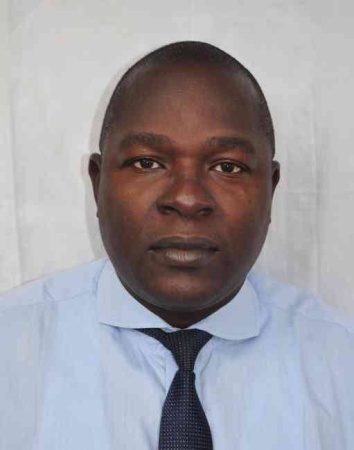
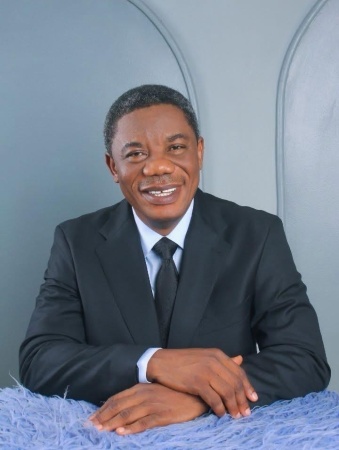
Dr Samuel Harrison
Today, the world marks World Family Doctor Day (WFDD), a day established by the World Organization of Family Doctors (WONCA) to recognise family physicians and primary care teams serving patients in hospitals, clinics and communities across the globe. This year's theme, Compassionate Care in a Digital World, reflects the conditions shaping healthcare right now. Electronic records, telemedicine platforms and artificial intelligence tools have entered daily clinical practice at a pace that would have seemed improbable a decade ago. Mobile health applications and digital decision-support systems now sit alongside the stethoscope and the prescription pad. Yet patients continue to need something that no algorithm can replicate: care that is personal, continuous and earned through genuine human engagement [1].
WHO IS A FAMILY PHYSICIAN
Ask many Nigerians to describe a family physician and you will often hear the same response: a doctor for common illnesses, the first stop before seeing the ‘real’ specialist. That misunderstanding fails to capture the depth, skill, and scope of Family Medicine.
A family physician is a specialist. Trained in Family Medicine to care for individuals and families from birth to old age, this is a doctor whose clinical scope reaches far beyond managing illness. Family physicians are trained to understand how emotional wellbeing, living conditions, family relationships, and social circumstances influence health in ways that laboratory findings alone cannot fully explain [2].
The specialty is built around the whole person. A family physician handles preventive care, manages chronic conditions, treats common problems and supports healthy behaviour change. These responsibilities are central to the discipline itself.
Having a family doctor means having a clinician who knows your history, understands your family background and follows your health across time [3]. That continuity is what enables earlier diagnosis, what makes treatment decisions safer and what builds the kind of trust that carries patients through difficult medical experiences. For families, the value runs deeper still. One physician who knows the household can recognise the shared risks, habits and patterns that affect parents, children and older relatives in ways no single specialist appointment ever could. Health problems change. The need for a doctor who knows your story does not [2, 3].
It is this doctor that Nigeria and the rest of Africa need more urgently than ever.
FAMILY MEDICINE TRAINING AND ROLE IN NIGERIA
In Nigeria and across West Africa, postgraduate training in Family Medicine prepares doctors to manage a broad range of medical and surgical problems using patient-centred, family-oriented, and biopsychosocial approaches [4, 5]. Contemporary training in the region now gives serious weight to competency-based education, workplace-based assessment, learning portfolios, patient management reports, patient safety, quality improvement and clinical teaching [5, 6].
The family physician should never be dismissed as a doctor for minor complaints. In practice, this is often the first clinician patients encounter when symptoms are still unclear, anxiety is running high and a diagnosis has not yet been reached. The family physician looks for danger signs, manages common illnesses, arranges referrals when specialist involvement is needed, follows patients after discharge and helps families understand what a diagnosis actually means for how they live. In Nigeria, where continuity and access to care have remained persistent problems for decades, this role is not optional [3].
Family Medicine in Nigeria has travelled a long way from the older tradition of General Medical Practice. That journey was made possible by the National Postgraduate Medical College of Nigeria (NPMCN), the West African College of Physicians (WACP), the Society of Family Physicians of Nigeria (SOFPON) and the generations of trainers, fellows and residents who sustained the discipline through difficult years [4, 5, 7]. What comes next demands stronger public awareness, closer integration within primary healthcare, expanded training and deliberate placement of family physicians where communities need them most [3, 7].
Family Medicine in Practice
Across Nigerian hospitals, family physicians work in general outpatient departments, staff clinics, emergency units, health insurance clinics, chronic disease clinics, geriatric care, palliative care, maternal and child health services, rehabilitation, teaching, and community health [7]. That breadth is deliberate. On an ordinary clinic day, the same doctor may see a child with recurrent malaria, a pregnant woman with anaemia, a young professional struggling with anxiety, a market trader living with hypertension and diabetes, an elderly stroke survivor, and a family weighed down by the cost of repeated illness.
Beyond routine consultations, family physicians may provide immunisation counselling, health education, lifestyle advice, cancer screening, adolescent care, family planning, end-of-life support, and referral coordination, sometimes all within the same week. One of the major strengths of Family Medicine is the ability to keep care connected. In a health system where patients often move between clinics, pharmacies, laboratories, and specialists with no one holding the thread, the family physician helps maintain continuity through first-contact care, family counselling, coordinated referral, and follow-up after hospital discharge [3, 7].
World Family Doctor Day is more than a professional occasion. It is a reminder that health systems without strong first-contact care will always fall short of the people who need them most. The World Health Organization (WHO) describes primary healthcare as bringing health promotion, disease prevention, treatment, rehabilitation, and palliative care as close as possible to where people live and work [8, 9]. Family physicians are trained to work in exactly that space, helping patients enter the health system early, move through it safely, and remain connected to care over time.
The importance of this becomes clearer in a country where most families still pay for healthcare from their own pockets. Whether someone seeks care when sick is often shaped not by clinical need alone but by cost, distance, transport, past experience, health literacy and trust. People managing hypertension, diabetes, asthma, depression, chronic pain and other long-term conditions need a reliable clinical home where someone who knows their history reviews, explains and coordinates their care. A well-trained and accessible family physician often becomes that clinical anchor [3, 10].
When more Nigerians understand what Family Medicine truly represents, the benefits extend across the health system. Patients who recognise it as a medical specialty are more likely to value the family physician as a doctor trained in comprehensive, whole-person care. Policymakers who appreciate its role can make better use of family physicians in primary healthcare reform, general hospital services, chronic disease management, and health insurance programmes [3,10]. Early and meaningful exposure to the specialty can also help medical students appreciate its clinical breadth, intellectual depth, and human value as a rewarding career path. [4, 5, 6, 7].
Family Medicine continues to expand across Africa, even in health systems that remain poorly resourced. A scoping review from sub-Saharan Africa showed its contribution to service delivery, clinical leadership, training, quality improvement, and broader health system strengthening across the continent [11]. Evidence from African authors, including experience from south-west Nigeria, also shows how family physicians deliver care that is accessible, comprehensive, coordinated, and centred on the person [12, 13]. Family Medicine is not a concept borrowed from wealthier countries and dropped into a different setting without adjustment. It has evolved as a practical response to the everyday clinical realities seen at the front line of care in Nigerian communities.
Nigeria needs doctors trained to see illness within the realities of everyday life. Patients do not experience disease in isolation from their homes, finances, family responsibilities, occupations, beliefs, or communities, and good clinical care must take those realities into account. The health system also needs physicians who can manage common conditions confidently, recognise serious disease early, prevent avoidable complications, and know when specialist referral is necessary. Equally important are doctors who communicate clearly, practise evidence-based medicine, and still keep the individual patient at the centre of care [3, 10].
This year’s theme, Compassionate Care in a Digital World, reflects what is already unfolding in Nigerian healthcare. Digital tools can improve appointment systems, strengthen record-keeping, speed up laboratory reporting, support follow-up, ease insurance processing, and make remote consultation possible [1, 9]. Yet if these tools work only for people with smartphones, reliable data, steady electricity, and confidence in formal care, they will deepen inequality rather than reduce it. A well-designed digital system should make care easier to reach and continuity easier to maintain, not add new obstacles for ordinary Nigerians [1, 9].
Family physicians stand at the centre of this balance. They do not reject technology; they insist that technology should serve patients, not the other way round. Telemedicine should bring care closer, not replace clinical judgement. Electronic records should improve continuity, not reduce consultations to clerical work. Artificial intelligence may assist with diagnosis and follow-up, but it cannot replace empathy, professional responsibility, or the trust built between doctor and patient. WONCA’s message for this day is clear: digital innovation in primary care must be safe, ethical, equitable, and shaped by the real needs of patients, communities, and family doctors [1].
In everyday Nigerian practice, this difference is clear to see. A computer may capture a blood pressure reading, but it cannot explain why a patient stopped taking medication three months ago. A digital reminder may bring someone back to clinic, yet it cannot sit with a widow weighing the cost of lifelong treatment. A laboratory portal may flag high blood glucose, but it cannot see the family pressures, work demands, transport difficulties, and personal beliefs that shape how a person lives with diabetes. These are the realities family physicians are trained to recognise and address.
STRENGTHENING FAMILY MEDICINE IN NIGERIA
Progress will require more than good intentions. Family physicians need to be deliberately positioned where their training can have the greatest impact, including primary healthcare leadership, general hospitals, emergency care, chronic disease clinics, maternal and child health services, geriatric care, palliative care, adolescent health, occupational health, school health, rehabilitation, and health insurance services [3, 4, 5, 7, 13]. Their broad training makes them especially suited to settings where care must remain comprehensive, coordinated, and continuous.
Governments at federal, state, and local levels must begin to see Family Medicine as a long-term investment in Nigeria’s health workforce, rather than something to be postponed until other priorities are addressed. The Lancet Nigeria Commission highlighted the need for sustained investment in the country’s health system and outlined a realistic path towards improved national health outcomes [10]. Part of that investment should include training more family physicians, improving working conditions, and deploying them to the communities where they are most needed. Strong primary healthcare depends not only on buildings and equipment, but also on clinical leadership, effective referral systems, and continuity of care over time.
Medical schools also need to give undergraduate exposure to Family Medicine greater priority than is often the case today. Students should encounter a specialty that teaches doctors to manage clinical uncertainty, communicate clearly, work across disciplines, lead healthcare teams, and stay grounded in the realities patients face every day. Consistent and meaningful exposure during medical training can influence career choices early and help shape a more patient-centred culture within the profession itself [4, 5, 6, 7].
Family Medicine departments and professional associations also need to strengthen the evidence needed for meaningful advocacy. Nigeria requires reliable local data on outpatient workload, referral trends, chronic disease outcomes, contributions to emergency and maternal care, patient experience, healthcare costs, training outcomes, and community impact [14]. Without strong local evidence, the specialty risks continued recognition in principle without the funding, policy attention, and long-term planning needed to support its growth.
The media also has an important role in improving public understanding of Family Medicine. Health reporting often focuses on surgical breakthroughs, disease outbreaks, industrial disputes, and political controversy, while the quieter work taking place daily in clinics receives far less attention. Preventive care, chronic disease management, family-centred care, mental health, adolescent wellbeing, elderly care, appropriate referral, and the value of having a trusted regular doctor deserve far greater visibility. Much of what family physicians do happens long before illness becomes severe enough to attract public attention.
A Call for Action on World Family Doctor Day 2026
World Family Doctor Day 2026 calls for more than recognition. It calls for honest national reflection: who sees the patient first, who follows them after discharge, who helps a family make sense of an unexpected diagnosis, who coordinates care when several specialists are involved, who acts before complications set in, and who keeps patients connected to care over months and years? In Nigerian healthcare, the answer to each of these questions should be the family physician, and in many settings, it already is.
Nigeria has built strong specialist capacity in surgery, cardiology, oncology, neurology, and many other fields. What must also be strengthened is the specialist in people: a doctor who treats illness without losing sight of the person living with it, who uses technology without surrendering clinical judgement, and who belongs as much to the clinic as to the family and the community. That doctor is the family physician [15].
On World Family Doctor Day 2026, I join family physicians around the world in marking the occasion under the theme, Compassionate Care in a Digital World. Expanding the family medicine workforce, deploying doctors strategically, funding research, strengthening primary healthcare infrastructure, and including family physicians in digital health planning cannot wait for a more convenient moment. If healthcare in this country is to become more accessible, more human, and more reliable, the family physician must be part of its foundation from the start [1, 3, 5, 6, 10].
Family physicians have always been part of Nigeria’s healthcare story. The challenge now is ensuring that their contribution is recognised, strengthened and fully integrated into the country’s future health system.
WHY EVERY FAMILY BENEFITS FROM A FAMILY PHYSICIAN
A family physician is often the first doctor to assess a patient when the problem is still unclear. That early contact can make a real difference, allowing serious conditions to be identified sooner and ensuring referrals happen at the right time.
Many conditions, including hypertension, diabetes, asthma, depression, chronic pain, stroke recovery and frailty, do not resolve in a single visit. They require steady follow-up, familiar clinical judgement and a doctor who remains involved over time. That continuity is one of the core strengths of Family Medicine.
Even in a digital age, patients still need a doctor who listens properly, explains clearly and keeps the person at the centre of care. Technology can support clinical work, but it cannot replace that human relationship.
Prevention is just as important as treatment. Immunisation counselling, health screening, lifestyle advice, family planning and risk-factor control are not optional extras in Family Medicine. They are part of their everyday practice.
Illness does not exist in isolation from home life, income, work demands, food access, family responsibilities or personal beliefs. Family physicians take these realities into account, making care more grounded, more relevant and more effective.
When specialist care is needed, the family physician helps guide patients to the right place at the right time and keeps the rest of the care connected. This reduces confusion, limits fragmentation and helps patients move through the health system with greater confidence.
A family physician is not only for emergencies. Every family benefits from a trusted doctor who helps prevent illness, treats everyday health problems, supports recovery, manages long-term conditions and guides patients through the difficult decisions that arise at different stages of life.
REFERENCES
1. World Organization of Family Doctors: compassionate care in a digital world. [cited 2026 May 15]. Available from: https://www.globalfamilydoctor.com/member/formemberorganizations/worldfamilydoctorday
2. Windak A, Rochfort A, Jacquet J. The revised European Definition of General Practice/Family Medicine. A pivotal role of One Health, Planetary Health and Sustainable Development Goals. Eur J Gen Pract. 2024;30(1):2306936. doi: 10.1080/13814788.2024.2306936
3. Akinwale M. Family Medicine in Nigeria: the journey, challenges, and future prospects. Niger J Fam Pract. 2025;16(1):59-65. doi: 10.64052/hwaxem51. Available from: https://njfpjournal.org/index.php/njfp/article/view/35
4. National Postgraduate Medical College of Nigeria, Faculty of Family Medicine. Curriculum and syllabus for the residency training programme towards the MD and Fellowship in Family Medicine. Lagos: National Postgraduate Medical College of Nigeria; 2020. Available from: https://npmcn.edu.ng/family-medicine-curriculum-and-logbook/
5. Fatusin BB, Dankyau M, Essuman A, Gyuse AN, Fatusin AJ, Jenkins LS. Enhancing West African family medicine curriculum through entrustable professional activities. Afr J Prim Health Care Fam Med. 2024;16(1):e1-e5. doi: 10.4102/phcfm.v16i1.4691.
6. Dienye PO, Gbeneol PK, Atata CT, Oguzor UC, Yoko I. Does the Nigerian health sector need family medicine? Niger J Fam Pract. 2025;15(1):7-12. doi: 10.64052/hf9y2602. Available from: https://njfpjournal.org/index.php/njfp/article/view/11
7. Oseni TIA, Salam TO, Fatusin AJ. Contributions of family physicians to health care services in Nigeria. Afr J Prim Health Care Fam Med. 2021;13(1):e1-e3. doi: 10.4102/phcfm.v13i1.2943.
8. World Health Organization. Primary health care. [cited 2026 May 15]. Available from: https://www.who.int/news-room/fact-sheets/detail/primary-health-care.
9. Arghittu A, Castiglia P, Dettori M. Family Medicine and Primary Healthcare: The Past, Present and Future. Healthcare (Basel). 2023;11(15):2128. doi: 10.3390/healthcare11152128.
10. Abubakar I, Dalglish SL, Angell B, Sanuade O, Abimbola S, Adamu AL, et al. The Lancet Nigeria Commission: investing in health and the future of the nation. Lancet. 2022;399(10330):1155-1200. doi: 10.1016/S0140-6736(21)02488-0.
11. Flinkenflögel M, Sethlare V, Cubaka VK, Makasa M, Guyse A, De Maeseneer J. A scoping review on family medicine in sub-Saharan Africa: practice, positioning and impact in African health care systems. Hum Resour Health. 2020;18(1):27. doi: 10.1186/s12960-020-0455-4.
12. Mash R. The contribution of family medicine to African health systems. Afr J Prim Health Care Fam Med. 2016;8(1):e1-2. doi: 10.4102/phcfm.v8i1.1251.
13. Ilori T, Awoonidanla KT, Adetunji AA. The contribution of family physicians to primary health care: Experiences from southwest Nigeria. Afr J Prim Health Care Fam Med. 2021;13(1):e1-e3. doi: 10.4102/phcfm.v13i1.3218.
14. Mash RJ, Von Pressentin K. Family practice research in the African region 2020-2022. Afr J Prim Health Care Fam Med. 2024;16(1):e1-e8. doi: 10.4102/phcfm.v16i1.4329.
15. Turner N. Family physicians: first point of contact, last line of defence. Can Fam Physician. 2023;69(7):490-491. doi: 10.46747/cfp.6907490.
•Dr Samuel Harrison, Chief Medical Officer, is a member of the Association of Resident Doctors, Federal Capital Territory Administration (FCTA) Chapter.