ADAD
ADAD
Updating your news feed...
NEWS EXPRESS is Nigeria’s leading online newspaper. Published by Africa’s international award-winning journalist, Mr. Isaac Umunna, NEWS EXPRESS is Nigeria’s first truly professional online daily newspaper. It is published from Lagos, Nigeria’s economic and media hub, and has a provision for occasional special print editions. Thanks to our vast network of sources and dedicated team of professional journalists and contributors spread across Nigeria and overseas, NEWS EXPRESS has become synonymous with newsbreaks and exclusive stories from around the world.
























Loading banners
Loading banners...

By CECILIA OLOGUNGBA
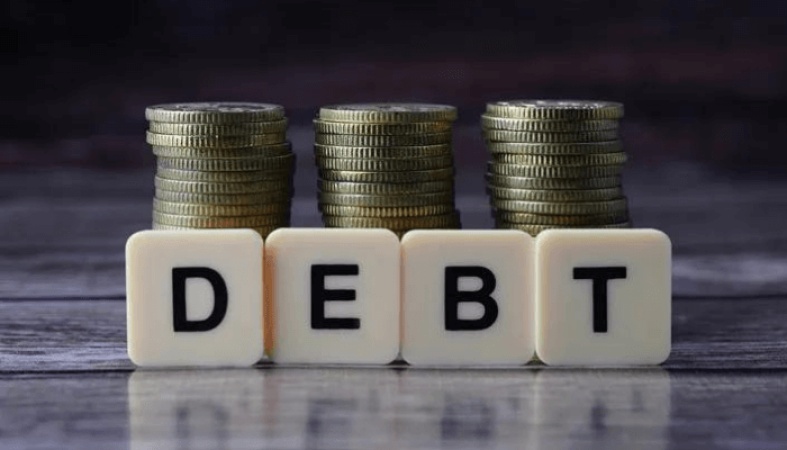
Rising debt servicing is estimated to cause 55 million lost jobs for women and a 17 per cent fall in women’s per capita income, says a United Nations Development Programme (UNDP) analysis.
The analysis drew data from 85 developing countries.
The new report, “Who Pays the Price? Gender Inequality and Sovereign Debt” shows that women are disproportionately affected through job losses, income decline, and increased unpaid care responsibilities, while men’s income remains largely unchanged, widening the gender income gap.
As governments divert more resources to debt repayments, public spending on health, welfare, and care systems is often reduced, limiting access to essential services and formal work opportunities for all, but with stark impacts on gender inequality.
“Sovereign debt is not a math problem. It is a human one. This analysis sheds new light on how crushing debt payments leave many governments across the world with limited fiscal space and lead to cuts to vital social services – with the heaviest toll falling on women.
“When care services are cut, for example, responsibility shifts back onto households – with women carrying most of it, often limiting their access to economic opportunities.
“Ultimately, debt management strategies must safeguard space for social and care investments that underpin resilient economies – and, in turn, human development,” Alexander De Croo, UNDP Administrator, said in a statement.
The report estimates that the equivalent of 55 million women’s jobs are at risk in the short term and 92.5 million in the long term when countries move from moderate to high debt repayment burdens.
It also sees a 17 per cent drop in women’s per capita income compared to largely unchanged male incomes, and a 32.5 per cent increase in maternal mortality, equivalent to 67 additional deaths per 100,000 births.
Life expectancy also declines for both women and men, reflecting growing strain on public health systems.
These impacts amount to development gains in reverse – a trend that could accelerate in the current context of military escalation and related crises. As governments respond to rising insecurity, volatility in energy markets, and inflationary pressures, fiscal space is further compressed, often at the expense of social investments.
The report underscores the importance of integrating a gender analysis into every borrowing decision.
“Debt management strategies matter for all people, but when public spending is squeezed by debt repayment, it is women who lose first— their jobs, their services, their economic security.
“This is why we must integrate gender-based impact assessments into decision-making, protect critical investments in social and care infrastructure, and use gender-responsive budgeting to track how debt servicing affects different economic outcomes for different people,” Raquel Lagunas, UNDP Global Director of Gender Equality, said in a statement.
The report also calls on governments and global financial institutions to prioritize employment, human development, and gender equality in debt sustainability strategies and to move away from austerity measures that exacerbate inequality. (NAN