ADAD
ADAD
Updating your news feed...
NEWS EXPRESS is Nigeria’s leading online newspaper. Published by Africa’s international award-winning journalist, Mr. Isaac Umunna, NEWS EXPRESS is Nigeria’s first truly professional online daily newspaper. It is published from Lagos, Nigeria’s economic and media hub, and has a provision for occasional special print editions. Thanks to our vast network of sources and dedicated team of professional journalists and contributors spread across Nigeria and overseas, NEWS EXPRESS has become synonymous with newsbreaks and exclusive stories from around the world.

























Loading banners
Loading banners...

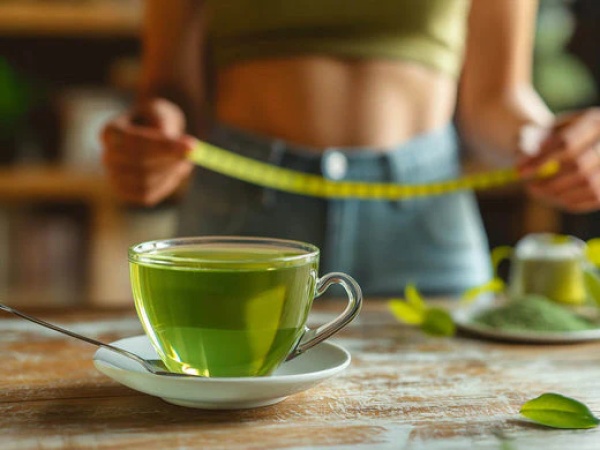
Organic weight loss tea Photo credit: i2ppvisesite
Across Nigeria’s cities and online marketplaces, organic weight loss teas have become one of the most visible wellness trends. They are sold with confidence, claiming to do what they can’t do. Weight loss is often difficult and slow, and these products are marketed as a natural shortcut.
Contents
What exactly are these weight loss teas?
Further research about organic weight loss teas
Health risks linked to prolonged use
Digestive system disruption
Dehydration and electrolyte imbalance
Liver stress and rare adverse reactions
Unregulated composition and hidden ingredients
But when examined against medical evidence, regulatory realities, and pharmacological data, the picture becomes more complicated. While some ingredients used in these teas have recognised traditional or medicinal uses, research suggests that most slimming teas do not produce meaningful fat loss and may carry health risks when used repeatedly or without supervision.
What exactly are these weight loss teas?
Despite being labelled organic or herbal, most slimming teas contain a fairly predictable set of ingredients, and senna is one of the most common. It is a plant-based stimulant laxative used medically for short-term constipation. Many products also include caffeine-rich herbs along with diuretic plants that increase urine output. Others rely on proprietary blends with little or no detailed disclosure.
The concern raised in pharmacology and toxicology literature is not simply that these herbs exist, but that they are often consumed in concentrated, repeated doses outside normal dietary use. Senna, for instance, is intended for short-term use only.
Further research about organic weight loss teas
Research indicates that green tea contains compounds known as catechins, which may increase the amount of fat the body burns during physical activity.
Some studies also suggest that certain teas may influence the production of specific fatty acids in the gut. This effect is thought to result from interactions between undigested carbohydrates, changes in gut microbiota, and plant compounds such as polyphenols. Through these processes, tea may play a role in reducing carbohydrate absorption and altering gut bacteria in ways that could support weight management.
However, this area of research is still developing. There is currently no strong clinical evidence to confirm that detox teas are an effective or reliable method for weight loss.
Health risks linked to prolonged use
There are health risks associated with prolonged use of weight loss teas:
Digestive system disruption
One of the most well-documented concerns relates to stimulant laxatives such as senna. When used repeatedly, they may irritate the bowel lining and alter normal intestinal function.
Possible effects include abdominal cramping, loose stools, and, in some cases, reduced bowel responsiveness over time. This can lead to a cycle where normal bowel movements feel difficult without continued use of laxatives.
Dehydration and electrolyte imbalance
Many slimming teas combine laxative and diuretic effects, which together increase fluid loss from the body. While this may show as quick weight reduction, it can have physiological consequences.
Symptoms associated with excessive fluid loss include fatigue, dizziness, headaches, and general weakness. More significantly, loss of key electrolytes such as potassium and sodium may affect muscle and heart function.
Stimulant laxatives used in detox or weight-loss products can contribute to dehydration and electrolyte disturbances when overused.
Liver stress and rare adverse reactions
Although uncommon, there are documented cases where herbal weight-loss products have been associated with liver-related complications.
More broadly, research into dietary supplements shows that concentrated herbal extracts, especially in multi-ingredient blends, can sometimes contribute to drug-induced liver injury, particularly when products are unregulated or inconsistently manufactured.
Unregulated composition and hidden ingredients
Perhaps one of the most significant concerns is product variability. Unlike prescription medicines, many herbal slimming teas are not subject to rigorous pre-market clinical trials or strict quality assurance.
Some weight-loss products may contain undeclared pharmaceutical substances, excessive caffeine levels, contaminants or fillers not listed on packaging. This creates uncertainty around both safety and dosage. Two products with the same name may not necessarily contain the same ingredients or concentrations. (Nigerian Tribune)