Updating your news feed...
NEWS EXPRESS is Nigeria’s leading online newspaper. Published by Africa’s international award-winning journalist, Mr. Isaac Umunna, NEWS EXPRESS is Nigeria’s first truly professional online daily newspaper. It is published from Lagos, Nigeria’s economic and media hub, and has a provision for occasional special print editions. Thanks to our vast network of sources and dedicated team of professional journalists and contributors spread across Nigeria and overseas, NEWS EXPRESS has become synonymous with newsbreaks and exclusive stories from around the world.






















Loading banners
Loading banners...


Farmers in rural Katsina amid reports of bandit-imposed levies
Residents of Doma village in Faskari Local Government Area of Katsina State have reportedly begun paying a controversial “peace tax” to a notorious bandit leader, Isyaku Kwasha Garwa, in a desperate attempt to avoid further attacks after a deadly confrontation earlier this year claimed 21 lives.
Sources based on the community told BusinessDay that the payment arrangement was reluctantly accepted by villagers following months of violent raids and threats by armed groups operating in the area. Under the deal, residents are required to make periodic payments to Garwa and his gang in exchange for assurances that the community will not be attacked.
The development underscores the deepening security crisis across rural communities in north-western Nigeria, where bandit groups have increasingly imposed informal levies on farmers and villagers amid limited security presence.
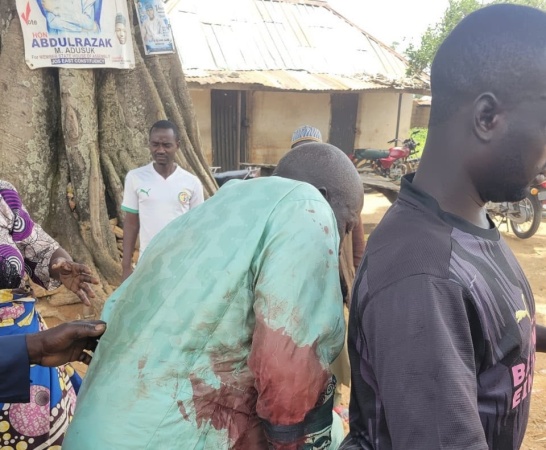
Tension in Doma escalated in February when a confrontation between villagers and an armed bandit reportedly resulted in the death of 21 men from the community. The incident shocked residents and highlighted the vulnerability of remote settlements struggling to defend themselves against heavily armed criminal groups.
A community leader, Musa Ali, described the agreement as a painful but unavoidable decision taken to safeguard lives after repeated attacks disrupted normal life.
According to him, residents felt they had little choice but to comply with the bandits’ demands after several appeals for improved security failed to yield results.
“This is one of the humiliations our people are forced to endure just to survive,” Ali said. “We are paying criminals so they will allow us to live and farm on our own land.”
He added that the financial burden of the payments is worsening the hardship faced by villagers, most of whom depend on farming for survival.
Security analyst Maigari Garba said the situation in Doma reflects a broader trend across parts of the North-West where armed groups impose so-called peace levies on rural communities.
According to him, farmers in several states, including Zamfara, Sokoto and Kebbi, are increasingly forced to pay bandits before they can access farmlands or move freely within their communities.
“For many villagers, these payments have become an unfortunate cost of survival,” he said.
Some residents of Doma village who spoke on condition of anonymity said the decision to comply with the bandits’ demands was taken after repeated attacks left families grieving and fearful.
A farmer in the community said villagers were determined to avoid another tragedy like the one in February.
“We don’t want to lose more people. Twenty-one men died already and nobody wants that to happen again,” he said.
The insecurity has also taken a toll on agricultural activities in the area, with large portions of farmland reportedly abandoned as farmers fear kidnapping or attacks while working in the fields.
Community leaders warn that the continued imposition of such levies could worsen food insecurity and deepen poverty across already vulnerable rural populations.
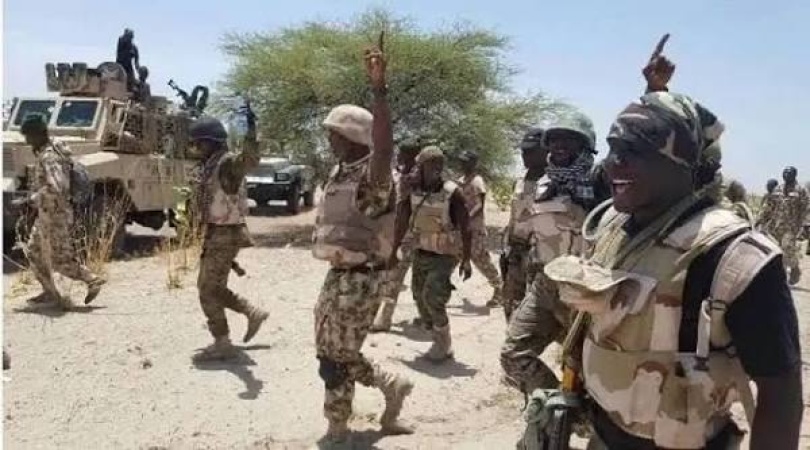
Security observers say the growing practice of bandit-imposed taxation highlights the urgent need for stronger protection of rural communities and more coordinated security operations across the region.
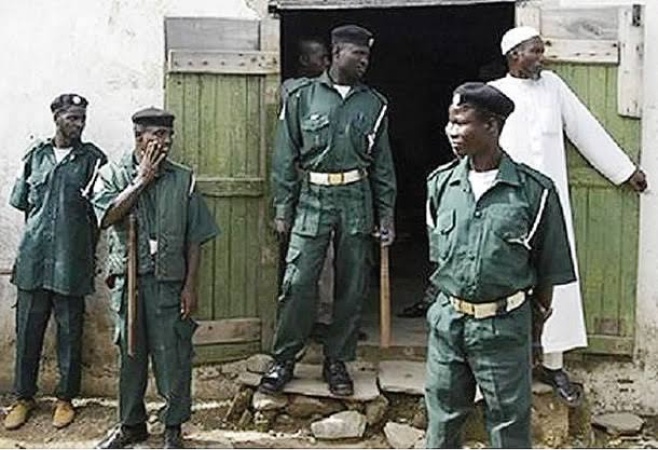
Meanwhile, Nurudeen Hammanyero, a security analyst and former naval officer, has called on northern governors to establish a regional security outfit similar to the Amotekun corps in the South-West.
Hammanyero said coordinated regional security structures involving local personnel could significantly improve intelligence gathering and help curb the spread of banditry.
He argued that northern Nigeria’s persistent insecurity is partly driven by governance challenges, rapid population growth and the rising number of out-of-school children who are vulnerable to recruitment by criminal groups.
According to him, porous borders across the region also enable foreign elements and armed networks to infiltrate communities with little resistance.
“Local people understand their environment and can easily detect suspicious movements. Harnessing that local intelligence is critical to addressing the security crisis,” he said.
He further warned against negotiating with armed groups from what he described as a position of weakness, stressing that paying bandits without addressing underlying security gaps could embolden criminal networks.
Hammanyero urged state governments to strengthen community engagement, improve identity systems, and invest in security infrastructure while collaborating more closely across state lines.
For residents of Doma village, however, the immediate priority remains survival, even if it means paying for a fragile peace in the face of continuing uncertainty. (BusinessDay)