Updating your news feed...

NEWS EXPRESS is Nigeria’s leading online newspaper. Published by Africa’s international award-winning journalist, Mr. Isaac Umunna, NEWS EXPRESS is Nigeria’s first truly professional online daily newspaper. It is published from Lagos, Nigeria’s economic and media hub, and has a provision for occasional special print editions. Thanks to our vast network of sources and dedicated team of professional journalists and contributors spread across Nigeria and overseas, NEWS EXPRESS has become synonymous with newsbreaks and exclusive stories from around the world.











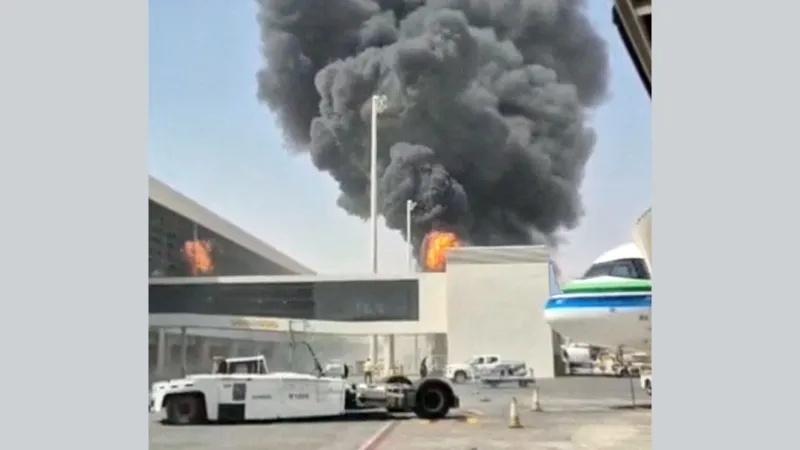






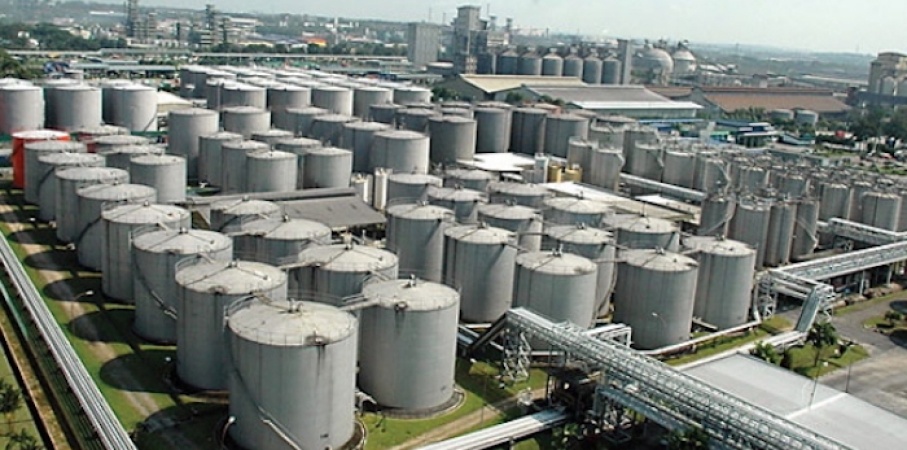
Petroleum storage tanks, amid concerns that global tensions may trigger higher fuel costs and infl
By MARTHA AGAS
The Sea and Empowerment Research Centre (SEREC) says inflation could rise by three to five per cent in Nigeria amid ongoing conflict between the United States and Iran.
SEREC`s Head of Research, Eugene Nweke made this known in a statement on Monday in Abuja.
Nweke said the situation presents significant geopolitical and economic risks to global energy markets and maritime trade systems.
The News Agency of Nigeria (NAN) reports that Nigeria’s headline inflation eased slightly to 15.10 per cent in January, down from 15.15 per cent in December 2025, according to the National Bureau of Statistics’ Consumer Price Index report.
He particularly expressed concern on the vulnerability of the Strait of Hormuz, an important waterway between Iran and Oman through which approximately one-fifth of global crude oil supply transits daily.
NAN reports that Iran’s Foreign Minister Seyed Araghchi warned that the attacks by the U.S. and Israel on Iran, assassination of Iranian Supreme Leader Ali Khamenei will have “deep and widespread” consequences.
According to Nweke, any prolonged disruption could trigger sustained oil price volatility, freight rate escalation, war-risk insurance spikes and global inflationary pressure.
“SEREC scenario modeling indicates oil prices may range between 110 to 140 dollars per barrel under sustained tension.
“Global freight rates could increase 15 to 40 per cent due to rerouting and risk premiums.
“Marine war-risk insurance may surge 200 to 400 per cent in high-risk corridors.
“Emerging economies may face renewed inflation and currency depreciation risks,” he said.
He said even though Nigeria could record short-term fiscal gains from elevated crude prices, the risks were substantial of inflation rising driven by logistics and imported input costs.
He said exchange rate volatility could worsen and food and transport prices might surge, warning that without prudent fiscal discipline, revenue gains could be eroded by macroeconomic instability.
“At 120 dollars per barrel, additional oil revenue could reach 18 to 22 billion dollars annually.
“GDP growth may increase by one to 1.2 per cent in the short term,” he said.
The SEREC official said Nigeria’s refining capacity could provide a competitive edge if integrated with regional supply networks and backed by frameworks such as ECOWAS cooperation mechanisms.
He said that Nigeria should channel oil windfall gains into stabilisation and infrastructure investment, not recurrent expenditure and guarantee steady crude allocation to domestic refineries to sustain supply stability.
“SEREC advises to strengthen maritime security coordination across the Gulf of Guinea, expand strategic petroleum and refined product reserves and deepen regional trade integration to reduce overreliance on volatile extra-African shipping routes,” he said.
According to Nweke, the U.S. and Iran confrontation is more than a geopolitical conflict, it is a structural stress test for global trade and maritime systems.
He said Nigeria’s resilience would depend not merely on crude revenue gains, but on disciplined fiscal management, domestic refining optimisation, trade diversification and maritime competitiveness.
“The Dangote Refinery presents a strategic buffer but its effectiveness depends on coherent national policy alignment,” he said. (NAN)