
Updating your news feed...
NEWS EXPRESS is Nigeria’s leading online newspaper. Published by Africa’s international award-winning journalist, Mr. Isaac Umunna, NEWS EXPRESS is Nigeria’s first truly professional online daily newspaper. It is published from Lagos, Nigeria’s economic and media hub, and has a provision for occasional special print editions. Thanks to our vast network of sources and dedicated team of professional journalists and contributors spread across Nigeria and overseas, NEWS EXPRESS has become synonymous with newsbreaks and exclusive stories from around the world.

.webp)


.webp)

.webp)

















Loading banners
Loading banners...

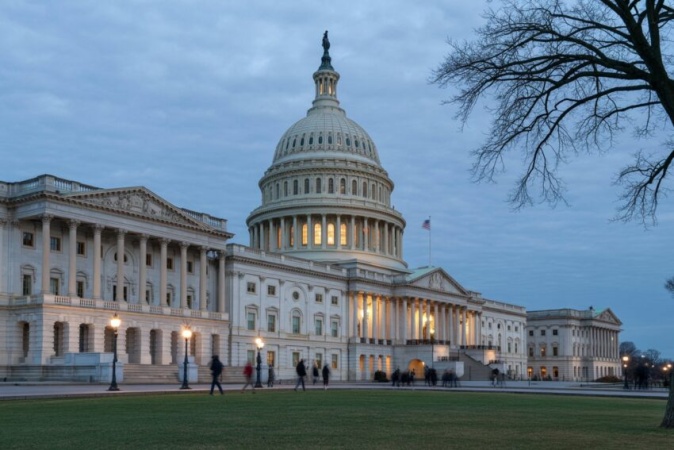
Zimbabwe has become part of a growing group of African nations, including Nigeria, Burkina Faso, Senegal, Mali, Congo, and others, that are confronting the US travel ban. These countries have successfully retained their visa privileges through a key exception, ensuring that their citizens can continue to travel to the United States despite the ongoing restrictions. This exception, often referred to as the Grandfather Clause, provides vital protection for those holding valid US visas, offering a lifeline for travelers, especially for those studying, working, or with long-term ties to the US. However, this development comes amidst broader concerns over stricter entry protocols and economic challenges that could further complicate international travel. This article explores the significance of this key exception for these countries and how it ensures continued access to the US for thousands of African nationals.
The Grandfather Clause has proven to be a vital provision for travelers impacted by the US travel ban. This clause allows individuals who already hold valid US visas to retain their travel privileges, ensuring they can continue to enter and exit the country without facing the new restrictions. While the travel ban has introduced stringent screening and visa issuance protocols, the Grandfather Clause acts as a protective shield, offering peace of mind to those who have long-term ties to the US. For individuals studying, working, or living in the US, this clause is especially significant, as it prevents the abrupt cancellation of existing visas. It also provides temporary relief, allowing these travelers to maintain their travel schedules without disruption. However, the future of this clause remains uncertain, as evolving regulations may impact its longevity. The Grandfather Clause is an essential safeguard in the face of a shifting global travel landscape, ensuring stability for those already permitted to travel.
Zimbabwe finds itself under Partial Restrictions from the U.S., primarily due to concerns about document integrity and data sharing. However, under the Grandfather Clause, Zimbabweans holding valid U.S. visas are safeguarded from the new restrictions, allowing them to travel without the fear of sudden deportation or entry refusal.
This provision is especially important for Zimbabweans currently studying or working in the U.S. It provides a sense of security for those with long-term stays, ensuring they can continue their studies or employment without disruption. On the other hand, the country’s tourism sector is also feeling the pressure, as Zimbabwe has recently introduced a new 15.5% VAT on tourism activities. The tourism industry is calling for its own version of the Grandfather Clause, which would exempt bookings made before 2026 from this new tax. This dual challenge of dealing with travel restrictions while simultaneously managing the VAT tax could heavily impact Zimbabwe’s tourism sector.
The Grandfather Clause offers Zimbabweans peace of mind, but it is clear that the road ahead may be difficult. The evolving challenges underscore the need for sustained negotiations to ensure travel and economic stability.
Nigeria’s status under the Partial Restrictions imposed by the U.S. has brought about significant changes, particularly for business travelers and certain visa categories. These restrictions involve more Rigorous Screening for specific visa classes. However, thanks to the Grandfather Clause, Nigerians holding valid U.S. visas before January 1, 2026, are shielded from the immediate impact of these changes.
For existing visa holders, this provision ensures that travel to the U.S. remains largely unaffected, allowing business, academic, and other visa holders to continue their travel without new barriers. Nigeria, being a major business hub, relies heavily on these provisions to maintain its critical connections with the U.S. The clause also prevents the abrupt cancellation of thousands of active business visas, which would otherwise have caused significant disruptions.
That said, once a visa expires, Nigerian travelers must undergo the enhanced vetting protocols. This means deeper background checks, including more detailed financial and security screenings, adding a layer of complexity for those renewing their visas. The Grandfather Clause thus offers crucial short-term stability but doesn’t remove the looming challenges ahead for Nigerian travelers.
Burkina Faso’s travel landscape to the U.S. has become significantly more restrictive following a full entry suspension due to national security and overstay concerns. However, under the Grandfather Clause, citizens of Burkina Faso who hold a valid U.S. visa issued before January 1, 2026, can still travel to the U.S. without disruption. This provision provides an essential safeguard for existing travelers, allowing them to maintain their current travel plans.
Despite this, new tourist or business visas are no longer being issued, and this limits the influx of new travelers. The U.S. visa suspension has also prompted reciprocal measures from Burkina Faso, with the country suspending visa issuance for U.S. citizens. As such, Americans with valid visas may still face challenges entering Burkina Faso depending on local enforcement of these new policies. The situation underscores the importance of the Grandfather Clause in providing a temporary buffer for travelers while governments manage the broader impacts of these expanded restrictions.
The Grandfather Clause ensures that, for now, those with existing visas can travel without additional hurdles, but the future of travel between the U.S. and Burkina Faso remains uncertain as the situation evolves.
Mali, like Burkina Faso, is now under a full suspension of U.S. visa issuance. This dramatic move has greatly affected diplomatic and tourism exchanges, particularly as new applicants face a complete ban from the screening process. Fortunately, the Grandfather Clause provides protection for Malians who already hold valid U.S. visas, allowing them to travel to the U.S. until those visas expire.
This clause serves as a temporary relief, ensuring that current travelers can continue their journeys without the threat of immediate revocation. However, Malians seeking to travel to the U.S. after the new visa restrictions take effect will be unable to apply for new visas. For those whose visas are set to expire, it’s important to note that no new screening processes will be initiated, and only existing visa holders can continue to use their documents.
While the suspension freezes the flow of new travelers, the grandfathering provision helps ensure stability for those already holding valid visas. This means Malians can still maintain their travel schedules, but the future for new visas remains uncertain.
Senegal, facing Partial Restrictions in 2026 due to high visa overstay rates, is now under a much more rigorous screening process for new applicants. However, the Grandfather Clause provides a crucial safeguard for Senegalese nationals holding visas before January 1, 2026. These individuals can continue traveling without disruption, while new applicants face longer wait times and higher rejection rates.
The phased impact of these restrictions creates a two-tier system, where older visa holders enjoy a smoother travel process, while new applicants are forced to endure the Rigorous Screening protocols. For families with existing multi-year visas, the Grandfather Clause offers significant relief, preventing the immediate disruption of their travel plans. However, for those seeking family reunification visas, the delays have been significant, further exacerbating the impact of the new measures.
For those eligible under the Grandfather Clause, the pathway remains clear for now, but new applicants must navigate longer wait times and heightened scrutiny. This shift could strain Senegalese-American relations, especially for those seeking to visit family or engage in business.
The Democratic Republic of the Congo (DRC) has found itself under high-intensity screening due to ongoing regional instability. While the DRC has not faced a full visa ban, the increased scrutiny has raised concerns for travelers. Fortunately, the Grandfather Clause provides protection for existing visa holders, ensuring that they can continue to travel to the U.S. without the newly imposed “enhanced data sharing” requirements, which include biometric and social media data.
This protection is critical for current travelers, as the DRC remains in a volatile region. However, once these visas expire, travelers will face the full weight of the Rigorous Screening protocols, which could involve invasive background checks and the collection of additional data that was not required previously.
For those with valid visas, the Grandfather Clause offers a temporary reprieve from these more intrusive security measures, but future travel to the U.S. will require compliance with the new, stricter protocols. The eventual shift from grandfathered protections to heightened vetting highlights the evolving nature of travel restrictions for the DRC.
The Grandfather Clause plays a critical role in the broader context of US travel policies, particularly during times of heightened restrictions. By allowing individuals with pre-existing visas to continue traveling without interruption, this clause provides an essential buffer against the uncertainty caused by evolving visa regulations. It not only ensures that current travelers can maintain their schedules, but it also allows for a smoother transition as governments and airlines adapt to new rules. However, its temporary nature means that travelers may still face uncertainty in the future when their visas expire or when the underlying travel policies change. This clause serves as a reminder of the delicate balance between security and accessibility in global travel, offering a short-term solution while broader travel policy discussions continue. As nations navigate the complexities of international movement, the Grandfather Clause is vital for maintaining essential travel connections and economic stability.
Zimbabwe joins Nigeria, Burkina Faso, Senegal, Mali, Congo, and other African countries in confronting the US travel ban, holding onto visa privileges with a key exception. This provides crucial protection for travelers amid new restrictions.
Zimbabwe, alongside Nigeria, Burkina Faso, Senegal, Mali, Congo, and other African countries, has successfully confronted the US travel ban, retaining visa privileges through a key exception. This exception ensures that travelers from these nations can continue their journeys without disruption, offering a vital safeguard amidst new restrictions. The ongoing protection of visa privileges is crucial for maintaining international ties, especially for business, education, and tourism. As these countries navigate the evolving challenges, the key exception provides stability and security for those holding valid visas. However, future developments will require continuous attention to ensure that these protections remain intact as travel policies continue to evolve. (TTW)



