
ADVERTISEMENT

ADVERTISEMENT























Loading banners


NEWS EXPRESS is Nigeria’s leading online newspaper. Published by Africa’s international award-winning journalist, Mr. Isaac Umunna, NEWS EXPRESS is Nigeria’s first truly professional online daily newspaper. It is published from Lagos, Nigeria’s economic and media hub, and has a provision for occasional special print editions. Thanks to our vast network of sources and dedicated team of professional journalists and contributors spread across Nigeria and overseas, NEWS EXPRESS has become synonymous with newsbreaks and exclusive stories from around the world.
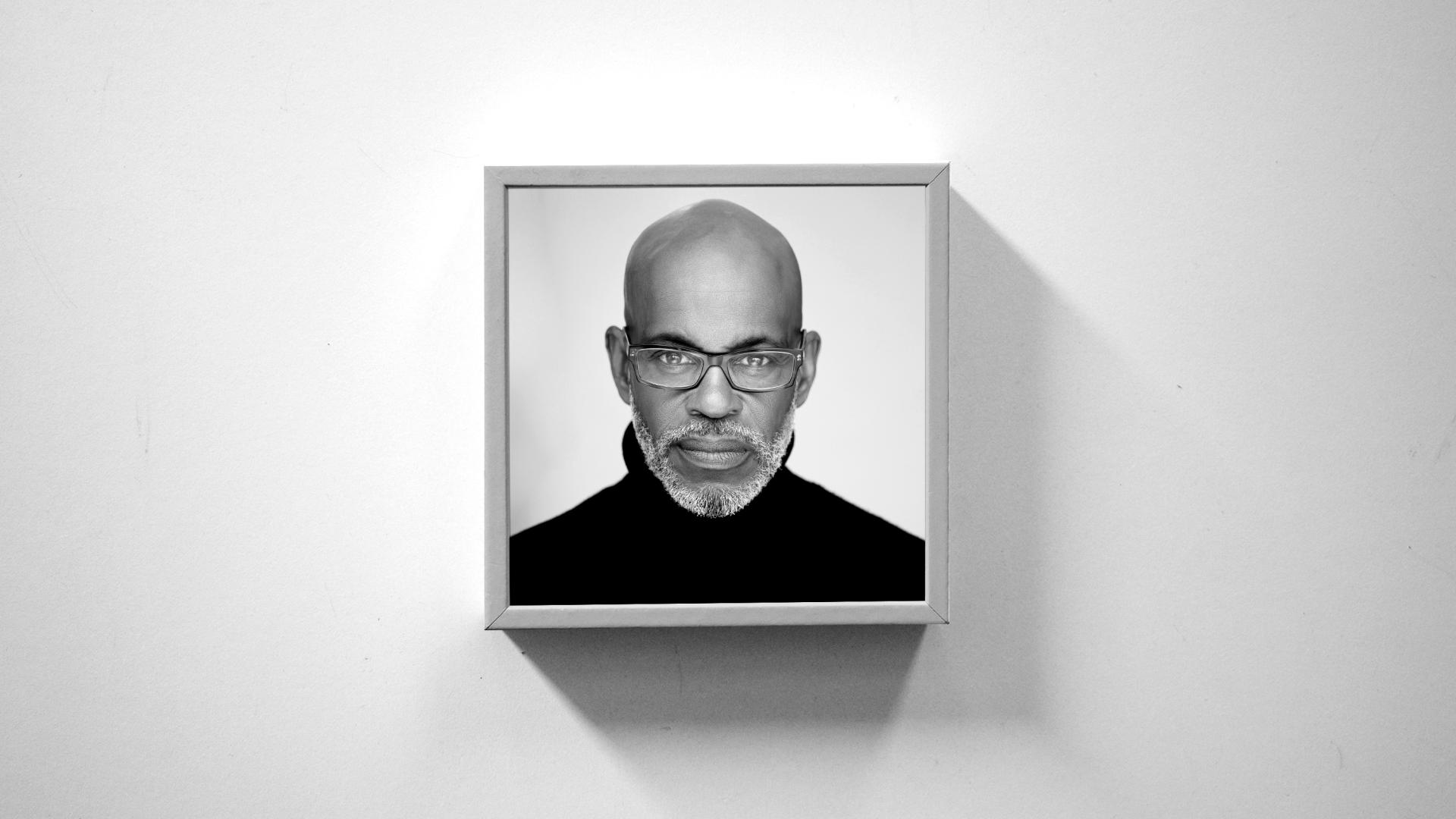
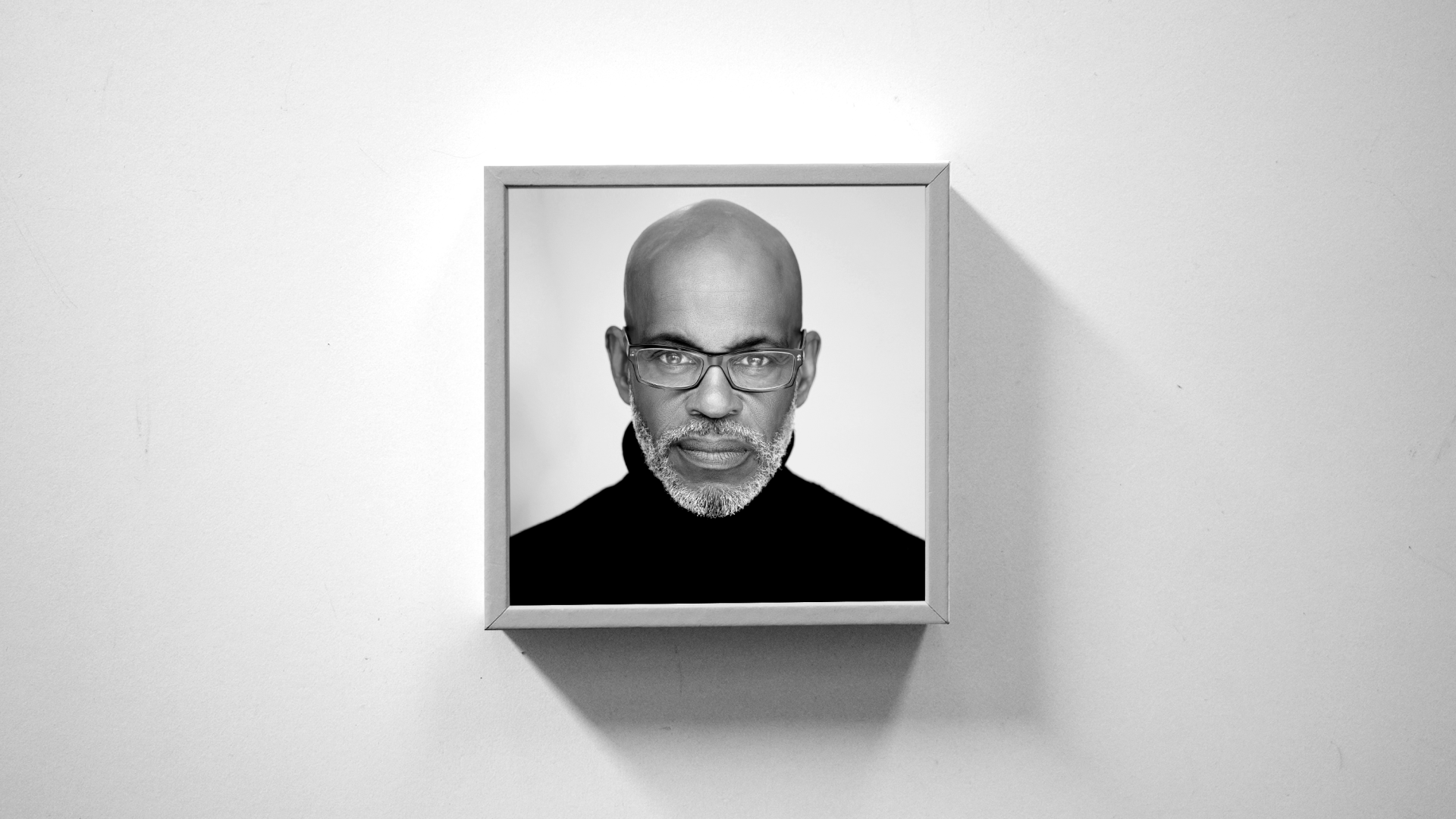
In 1981, an industry newcomer named Jubilant Sykes released his debut album, Number of the Lord, with Light Records, the same label as gospel legend Andraé Crouch. At the time, gospel music scholar Robert Darden was working as a music journalist in New York, and he remembers the day he listened to that album.
“This album was different. It was gospel, it was funk,” Darden said. But it wasn’t the style or instrumentation that stood out to him most—it was Sykes’ voice.
“At that moment, Sykes had the best voice in gospel.”
Sykes drew acclaim as a rising gospel star—praised for his rich baritone sound, virtuosity, and control—but he didn’t remain in the niche for long. His trajectory from gospel to opera to popular sacred music was a path through the music industry as singular as his voice.
“I’ve been singing since I was a kid. I wanted to be like Michael Jackson of the Jackson 5,” Sykes said in an interview in 2004. “But these doors are the doors that just happened to open. It’s nothing that I really planned.”
Over the course of his five-decade career, Sykes lent his versatile baritone voice to contemporary sacred music, gospel, funk, African American spirituals, and contemporary gospel. He received a Grammy nomination in 2009 for his performance as Celebrant in Leonard Bernstein’s Mass and collaborated with a roster of high-profile artists including Julie Andrews, John Williams, Carlos Santana, Josh Groban, and Brian Wilson. He also worked with the music ministry at John MacArthur’s Grace Community Church in southern California and performed on several occasions with contemporary worship artists Keith and Kristyn Getty.
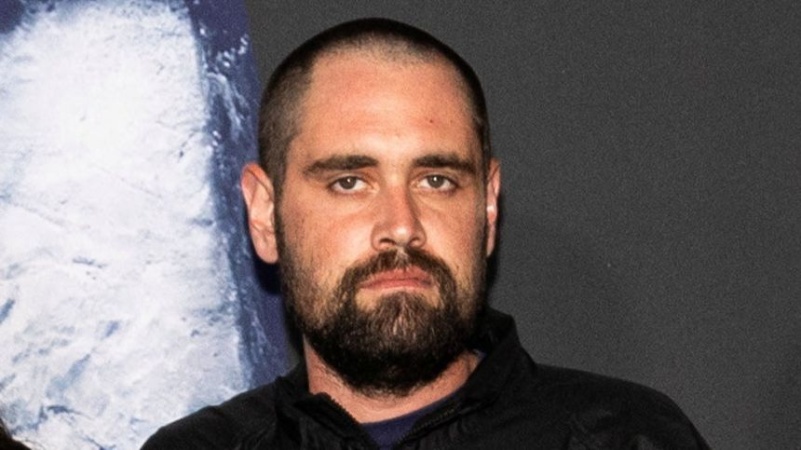
Jubilant Sykes died on December 8, 2025, in Santa Monica at the age of 71. Sykes died after being fatally stabbed in his Santa Monica home. His 31-year-old son, Micah, has been arrested and investigating authorities say he will be charged with homicide.
When Sykes’ soprano voice dropped at the beginning of puberty, he started to lose interest in singing. He credits his voice teacher with preserving his love for making music and helping him see the beauty in his deepening voice. In 2002, Sykes told NPR that his teacher, Linda Anderson, “turned him on to classical music” and instilled in him a love for Bach and confidence in his changing vocal chords.
As a college student at Cal State Fullerton, Sykes continued singing but didn’t seriously consider a career as a professional singer. Even so, he decided to continue his studies as a graduate student at the University of Southern California, which cast him in a production of George Gershwin’s Porgy and Bess that ended up touring Europe.
At every turn, Sykes’ stunning baritone voice attracted the attention of teachers and directors, earning him opportunities to collaborate and audition to appear on the biggest stages in the classical music world. In 1990, he performed with the New York Metropolitan Opera as the character of James in Porgy and Bess and went on to appear in venues like the Kennedy Center and Carnegie Hall.
What made Sykes unusual in the classical music world was his openness to stepping outside the confines of the highbrow. For a period in the late 1990s, he was performing in jazz clubs one night and turning around to perform Beethoven’s Ninth Symphony the following day. His 1981 album blended funk and traditional gospel elements, and he recorded and performed jazz and gospel music even after achieving success in opera.
Following his time with the Met, Sykes toiled away as a working singer, often holding multiple jobs or working on two or three projects at a time. That versatility made it possible to have a sustainable but demanding full-time singing career. He told interviewers that it wasn’t ideal, but “it’s just the way the chips fell.”
Robert Darden, now a professor emeritus of journalism and founder of Baylor University’s Black Gospel Restoration Project said that, outside his impact in the opera world, Sykes carried on the tradition of black vocalists like Paul Robeson, who helped preserve and elevate African American spirituals.
After the Civil War, African American spirituals were at risk of being lost. A vernacular musical tradition, spirituals evolved in slave communities and migrated between them, evolving as they moved.
“Spirituals were never sung the same way twice, from church to church and plantation to plantation,” Darden said. “After the war, there was a real fear that these traditional spirituals would disappear.”
To preserve the songs while simultaneously elevating the form, composer Harry T. Burleigh (1866–1949) arranged spirituals as art songs, drawing on European conventions. While these arrangements and subsequent recordings of them by figures like Robeson (1898–1976) made significant changes and additions to traditional spirituals, they preserved lyrics and melodies and helped ensure that the genre would be documented and appreciated as a legitimate form of American art music.
“Sykes is one of the most recent figures of this tradition,” Darden said. “He, like many African American opera stars, came from the church and heard these spirituals, then recorded them with incredible sensitivity. These versions will move you to tears. They resonate.”
Sykes’ 1994 album Jubilant Sykes Sings Copland and Spirituals features stirring renditions of music by influential American composer Aaron Copland alongside arrangements of spirituals like “Go Down, Moses” and “City Called Heaven.” With cinematic accompaniment by the London Symphony Orchestra, Sykes’ solo voice carries the words of each spiritual with sensitivity and pathos.
Sykes said that singing spirituals like “Sometimes I Feel Like a Motherless Child” gives voice both to the horror of the slave experience in America, “the loneliness, the madness and the darkness of it all”—and to enduring hope “that I am never really alone.”
In 2009, Sykes’ performance as Celebrant in Leonard Bernstein’s Mass, a demanding musical theater work based on the Tridentine Mass, received a Grammy nomination. Throughout his career, Sykes was open about his Christian faith and about his belief that his performances—whether explicitly sacred or not—were all a form of worship.
“It’s not that one is secular and one is sacred. It all is to the glory of God. Bach said that all music should be in the honor and glory of God,” Sykes said in a 1998 interview. “And I think that’s true.”
Sykes was involved in the music ministry at Grace Community Church since 1978, according to a statement from the church. At Grace, he met his longtime collaborator, classical guitarist Christopher Parkening. The two toured together on and off for over a decade and recorded an album, Jubilation, together in 2007.
Sykes also collaborated with modern hymn writers and worship leaders Keith and Kristyn Getty—most recently at a concert at the Grand Ole Opry in celebration of the publication of the Gettys’ Sing! Hymnal.
In a post on Facebook, the Gettys wrote about Sykes’ “ability to find the wonder and extraordinary in the ordinary” and his “unique Christian voice.”
Sykes carried a deep appreciation for classical music, but he rejected the tendency of the music industry to silo performers. At times, he seemed to suggest that his career might have been easier if he’d picked a lane and stayed there. His eclectic discography and performance career reflect an artist who loved music too much to pick a niche.
“I have a passion for music, and I probably want to do too many things at one time,” Sykes said. “I’ve got to take myself seriously enough to work, but not so seriously that I become more neurotic. At this stage of the game, you take [engagements] as they come … and they come by God’s grace.” (Christianity Today)




