ADAD

Updating your news feed...
NEWS EXPRESS is Nigeria’s leading online newspaper. Published by Africa’s international award-winning journalist, Mr. Isaac Umunna, NEWS EXPRESS is Nigeria’s first truly professional online daily newspaper. It is published from Lagos, Nigeria’s economic and media hub, and has a provision for occasional special print editions. Thanks to our vast network of sources and dedicated team of professional journalists and contributors spread across Nigeria and overseas, NEWS EXPRESS has become synonymous with newsbreaks and exclusive stories from around the world.



Loading banners
Loading banners...

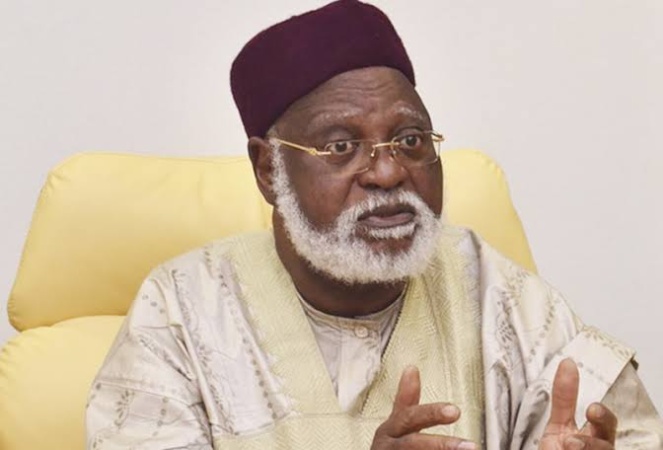
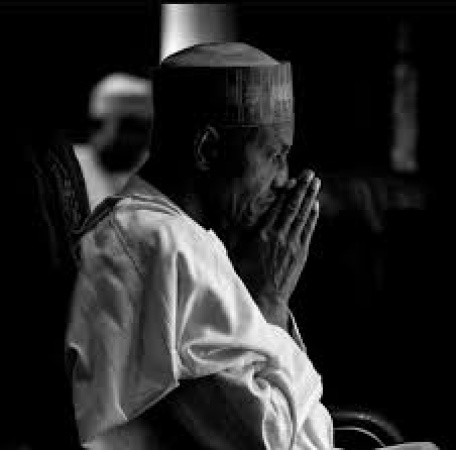
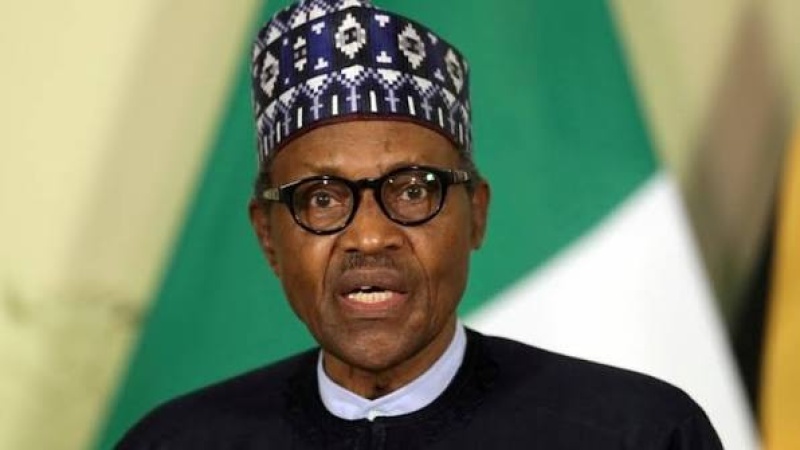
Late former President Buhari
British reluctance to provide sufficient military hardware and America’s arms embargo complicated federal operations, forcing Lagos to seek alternative weapons sources
The Nigerian Civil War, which lasted nearly three years before ending in January 1970, was prolonged by a combination of difficult battlefield conditions, logistical constraints, international arms politics and the resilience of Biafran forces, with the policies of Britain and the United States also shaping the military calculations of the Federal Government.
The international dimension of the conflict, particularly the reluctance of traditional Western allies to provide unrestricted military assistance to Nigeria, is an important aspect of understanding why the Federal Government could not achieve a quick military victory against the secessionist forces.
These historical circumstances provide an important context for understanding the battlefield experiences of the late former President Muhammadu Buhari, whose military career during the conflict is examined in Chapter Eight of Muhammadu Buhari: The Authorised Biography, a three-volume publication authored by Dr Udu Yakubu.
The approxim’tely 1,300-page biography, which chronicles Buhari’s life, military career and presidency, was unveiled in Abuja on November 19, 2026.
The war began on July 6, 1967, following the declaration of the Republic of Biafra by the then Eastern Region under Lieutenant-Colonel Chukwuemeka Odumegwu Ojukwu.
Although the Federal Government under General Yakubu Gowon expected to restore national unity through military operations, the campaign became considerably more complicated than initially anticipated.
One of the factors was the difficulty of obtaining adequate military supplies from traditional Western partners, particularly Britain, which had historically been Nigeria’s principal source of military equipment.
Britain initially hesitated over the extent of its involvement, but eventually supported the Federal Government’s position on preserving Nigeria’s territorial integrity.
However, its military assistance was restricted. London supplied arms and ammunition but declined to provide some of the major weapons systems Nigeria urgently wanted, particularly fighter aircraft.
The British position was influenced by domestic opposition to the war, concerns about the humanitarian consequences and the desire to protect its economic and strategic interests in Nigeria.
The limitations placed on British arms supplies frustrated the Federal Government and contributed to its decision to seek military assistance from alternative sources.
The Soviet Union subsequently emerged as a major supplier of weapons, including fighter aircraft, while Egypt provided pilots to operate some of the aircraft.
Historical records indicate that Britain’s arms deliveries represented an important but limited part of Nigeria’s overall military imports during the conflict. Taylor & Francis Online +2
The United States also complicated the Federal Government’s efforts to secure military assistance.
Four days after the outbreak of hostilities in July 1967, Washington announced that it would not sell or otherwise supply arms to either side, maintaining that the conflict was an internal Nigerian matter.
The American position effectively denied Lagos access to another potentially important source of military hardware at a time when the Federal Government was mobilising troops for a prolonged military campaign.
Washington’s policy was also informed by its reluctance to become directly entangled in the conflict, particularly against the background of its military commitments in Vietnam and its desire to preserve diplomatic relations with different sections of Nigeria.
American policy documents subsequently acknowledged that Washington preferred Britain to carry the major responsibility for protecting Western interests in Nigeria rather than assume a larger military and economic commitment.
Consequently, the Federal Government had to depend more heavily on Britain, the Soviet Union, Eastern European suppliers and private arms dealers to sustain its military operations. GovInfo +2
The combination of restricted Western military assistance and the difficulties of procuring equipment created additional pressure on federal military planners.
It is important, however, to distinguish between the American arms embargo and British policy. While the United States refused to supply arms to either side, Britain continued selling weapons to the Federal Government, although it restricted the scale and categories of military equipment supplied.
The Soviet Union’s intervention consequently became particularly significant. Its willingness to supply fighter aircraft and other military equipment helped address some of the gaps in Nigeria’s military capability.
Beyond international arms politics, the physical conditions of the battlefield also contributed to the prolonged conflict.
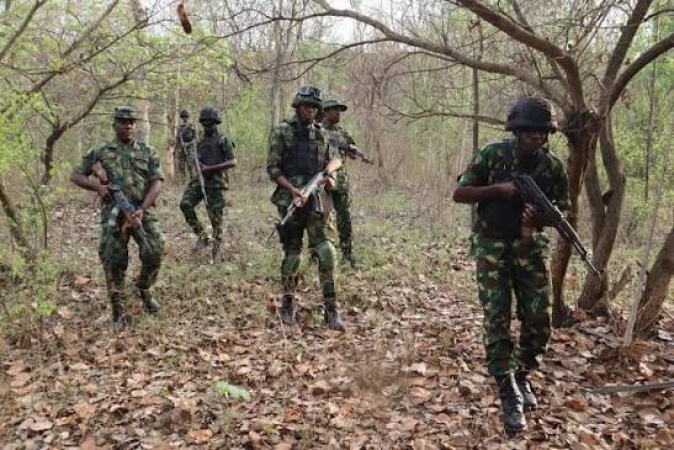
The thick vegetation, difficult road networks, heavy rainfall and unfamiliar terrain in the eastern theatre of operations made troop movements, communication and the transportation of military supplies particularly challenging.
For soldiers deployed in the theatre, advancing against enemy positions was not simply a question of superior numbers or firepower. It required the ability to navigate difficult terrain, maintain supply lines, and sustain troop morale under prolonged exposure to enemy fire.
Biafran forces also demonstrated considerable resilience, adapting their military strategies to the changing circumstances of the war and exploiting the difficulties confronting federal troops.
Another important dimension was the international assistance available to the secessionist side.
Although Biafra was at a considerable disadvantage in terms of military manpower and the volume of weapons available, it benefited from clandestine arms procurement networks and assistance facilitated by France and some African countries.
The humanitarian airlift operations organised by international relief agencies also helped sustain the besieged population. However, the extent to which some relief operations indirectly supported Biafran military capacity remains a subject of historical debate.
The Federal Government’s blockade, designed to restrict Biafra’s access to arms, food and other essential supplies, further intensified the humanitarian crisis.
The capture of Port Harcourt in May 1968 deprived Biafra of its principal seaport, further restricting its access to external supplies.
Despite these developments, Biafran forces continued resisting federal advances, prolonging a conflict that had already Inflicted enormous suffering on the population.
By the final stages of the war, however, the military balance had shifted decisively in favour of federal forces. Biafra had lost substantial territory, its military supplies were dwindling, and the effects of the blockade had become increasingly severe.
The surrender of Biafra on January 12, 1970, brought the nearly three-year conflict to an end.
For Buhari, whose military career was significantly shaped by his participation in the war, the conflict represented a defining period of professional development.
Through Muhammadu Buhari: The Authorised Biography, Yakubu provides a historical account of the late leader’s military career and experiences, placing his wartime service within the broader circumstances that shaped Nigeria’s struggle to preserve its territorial integrity.
The three-volume publication offers readers an opportunity to revisit the military, political and international dimensions of a conflict whose consequences continue to influence Nigeria’s national history. (The Guardian)