ADAD

Updating your news feed...
NEWS EXPRESS is Nigeria’s leading online newspaper. Published by Africa’s international award-winning journalist, Mr. Isaac Umunna, NEWS EXPRESS is Nigeria’s first truly professional online daily newspaper. It is published from Lagos, Nigeria’s economic and media hub, and has a provision for occasional special print editions. Thanks to our vast network of sources and dedicated team of professional journalists and contributors spread across Nigeria and overseas, NEWS EXPRESS has become synonymous with newsbreaks and exclusive stories from around the world.





















Loading banners
Loading banners...

Millions of Nigerians travel to their hometowns in December to celebrate Christmas with family and friends.
During this period, roads become busier, harmattan weather can reduce visibility, and many drivers are eager to reach their destinations.
These conditions increase the risk of road accidents. However, proper preparation and careful driving can make the journey safer for everyone.
Here are 10 practical safety tips to help you prepare for your Christmas journey and arrive at your destination safely.
Plan your trip early
Plan your route before setting off. Identify suitable places to stop for rest and refuelling, and get enough sleep the night before your journey.
Inspect your vehicle’s lights, brakes and steering system. Any faults should be repaired before you travel rather than waiting until you are on the highway. Road safety authorities identify faulty lights and burst tyres among the factors that contribute to road accidents during the festive season.
Check your tyres and spare
Tyres are the only parts of your vehicle that maintain direct contact with the road, making their condition essential for safe driving. Check the tyre pressure and tread depth, and ensure that your spare tyre is in good condition.
Also, carry the necessary tools for changing a tyre in case of an emergency.
According to a UK road safety report, tyre problems account for one in five breakdowns on major roads in England. Checking your tyres before departure can help prevent avoidable breakdowns and dangerous situations on the highway.
Avoid night travel
Travelling at night can be more dangerous because visibility is reduced and drivers may become tired. The Federal Road Safety Corps (FRSC) advises motorists to exercise caution when travelling at night.
Where possible, begin your journey early in the morning so you can reach your destination before dark. If delays make this difficult, consider spending the night at a safe location and continuing the journey the following day.
Drive carefully in harmattan haze
Harmattan weather often brings dusty, hazy conditions that can reduce visibility on the road. This makes it more difficult to see other vehicles, pedestrians and road hazards, particularly in the early morning.
Switch on your headlights when visibility is poor, reduce your speed and maintain a safe distance from the vehicle ahead. The FRSC’s festive-season safety campaign highlights the importance of taking precautions against hazardous road conditions.
Maintain a safe speed
Excessive speed reduces the time available to react to unexpected situations and makes it more difficult to control a vehicle. It is also one of the major factors associated with road accidents.
The FRSC’s festive-season campaign warns motorists against speeding. Observe posted speed limits and adjust your speed to suit road and weather conditions.
Arriving at your destination safely is more important than getting there quickly. Allow enough time for the journey rather than rushing to meet an arrival target.
Avoid overloading your vehicle
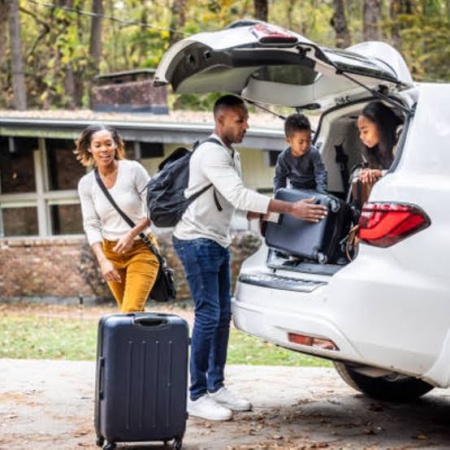
Carrying too many passengers or excessive luggage can affect your vehicle’s stability and handling. Additional weight also puts more strain on the tyres and braking system.
The FRSC identifies overloading as one of the road traffic offences it enforces. Avoid squeezing extra passengers into your vehicle or carrying more luggage than it can safely accommodate. If necessary, make another trip rather than putting everyone at risk.
Take regular rest breaks
Driving for extended periods without resting can cause fatigue and reduce concentration. Plan to take a break of at least 15 minutes every two hours.
Use these breaks to stretch, drink water and rest your eyes. Watch out for signs of tiredness, such as frequent yawning, drifting out of your lane or missing road signs. If you experience these symptoms, stop at a safe location and rest before continuing.
The National Highways road safety guidance also highlights the importance of taking regular breaks during long journeys.
Share the driving
If another licensed and qualified adult is travelling with you, consider taking turns behind the wheel. Sharing the driving reduces the amount of time each person spends driving continuously and allows them to rest.
You can arrange to change drivers at planned rest stops. However, ensure that anyone taking over is properly licensed, alert and comfortable driving the vehicle.
Wear your seat belt and avoid using your phone while driving
Seat belts reduce the risk of serious injury during road accidents. Ensure that everyone in the vehicle wears one, including passengers sitting in the back.
The FRSC also identifies seat belt violations and phone use while driving as road safety concerns.
Keep your phone away while the vehicle is moving. If you need to make a call or check directions, pull over at a safe location first.
Pack your luggage correctly
How you arrange your luggage can also affect your safety on the road. Place heavier bags low in the boot and secure them properly to prevent movement during the journey.
Loose items can shift suddenly during braking or become dangerous projectiles in a collision. Avoid placing heavy luggage where it could obstruct the driver’s view or interfere with vehicle controls.
Never transport fuel in the passenger compartment. Instead, plan your refuelling stops to avoid carrying extra fuel unnecessarily.
Avoid alcohol and medication before driving
Alcohol and certain medications can affect concentration, slow reaction times and make driving dangerous. The FRSC warns motorists against driving under the influence of intoxicating substances.
Avoid driving after consuming alcohol or taking medication that causes drowsiness. If you are unsure how a medicine may affect your ability to drive, check its instructions or consult a healthcare professional. Arrange for another qualified driver to take over if necessary.
Prepare an emergency kit
An emergency kit can be useful if your vehicle breaks down or an unexpected situation occurs during the journey. Pack a first aid kit, drinking water, a torch, a warning triangle and a fully charged phone.
Also, check that your vehicle insurance and other necessary documents are valid before departure. These preparations can make it easier to manage minor emergencies while waiting for assistance.
A safe Christmas journey begins before you leave home. By checking your vehicle, planning your route, avoiding risky driving habits and preparing for emergencies, you can reduce the risks associated with long-distance travel. Take your time, follow road safety guidelines and make arriving safely the priority. (Nigerian Tribune)