ADAD

Updating your news feed...
NEWS EXPRESS is Nigeria’s leading online newspaper. Published by Africa’s international award-winning journalist, Mr. Isaac Umunna, NEWS EXPRESS is Nigeria’s first truly professional online daily newspaper. It is published from Lagos, Nigeria’s economic and media hub, and has a provision for occasional special print editions. Thanks to our vast network of sources and dedicated team of professional journalists and contributors spread across Nigeria and overseas, NEWS EXPRESS has become synonymous with newsbreaks and exclusive stories from around the world.














.webp)


Loading banners
Loading banners...

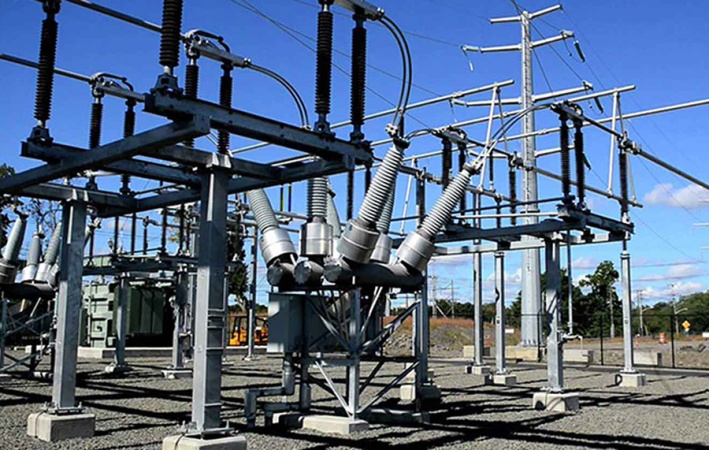
Economic and policy experts have faulted President Bola Tinubu’s ambitious target of increasing Nigeria’s electricity generation to 10,000 megawatts (MW) by 2031, warning that the projection may remain unattainable unless the Federal Government urgently addresses longstanding challenges in the power sector, particularly inadequate transmission capacity, gas supply constraints and legacy debts.
Their reservations came as Tinubu renewed his promise to provide Nigerians with reliable electricity, declaring that the existing power sector privatisation arrangement was not working and pledging to strengthen the country’s industrial base, reduce the cost of living and expand employment opportunities if re-elected in 2027.
The experts cautioned that increasing electricity generation without corresponding investments in transmission and distribution infrastructure would not guarantee improved supply to homes and businesses, warning that the administration’s ambition to achieve six per cent annual economic growth by 2031 could also be undermined by persistent power shortages.
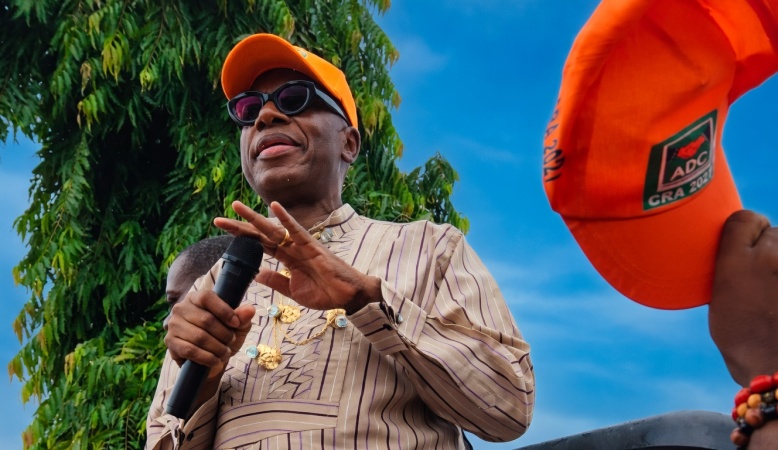
While Tinubu made his commitment at the All Progressives Congress (APC) campaign rally in Dutse, Jigawa State, yesterday, the experts raised their concerns during a panel discussion on the implementation of the party’s 2027 presidential election manifesto, tagged *From Reforms to Prosperity*, in Abuja, where they examined the feasibility of the proposed electricity target and its implications for industrialisation, job creation and economic expansion.
“We will reduce the cost of living. We will provide reliable power, not the whole privatisation that is not working. We provide you with reliable power in this Nigeria,” Tinubu told supporters at the rally.
“We will stimulate a stronger industrial base for our country. We will help nano, small-scale and medium-scale businesses. We will expand job opportunities for real income earners.”
The President’s criticism of the existing privatisation arrangement comes amid persistent concerns over the performance of Nigeria’s electricity industry, where inadequate generation, transmission limitations, distribution challenges and financial difficulties have continued to affect power supply to households and businesses.
Tinubu had made improved electricity supply a major campaign commitment ahead of the 2023 general elections, declaring at the time that Nigerians should not re-elect him if he failed to deliver adequate power, unless he provided convincing reasons for his inability to fulfil the promise.
However, electricity shortages have remained a major challenge, with Minister of Power, Joseph Tegbe, recently attributing outages in parts of the country to maintenance at Egbin Power Station, gas supply constraints and sabotage of transmission lines.
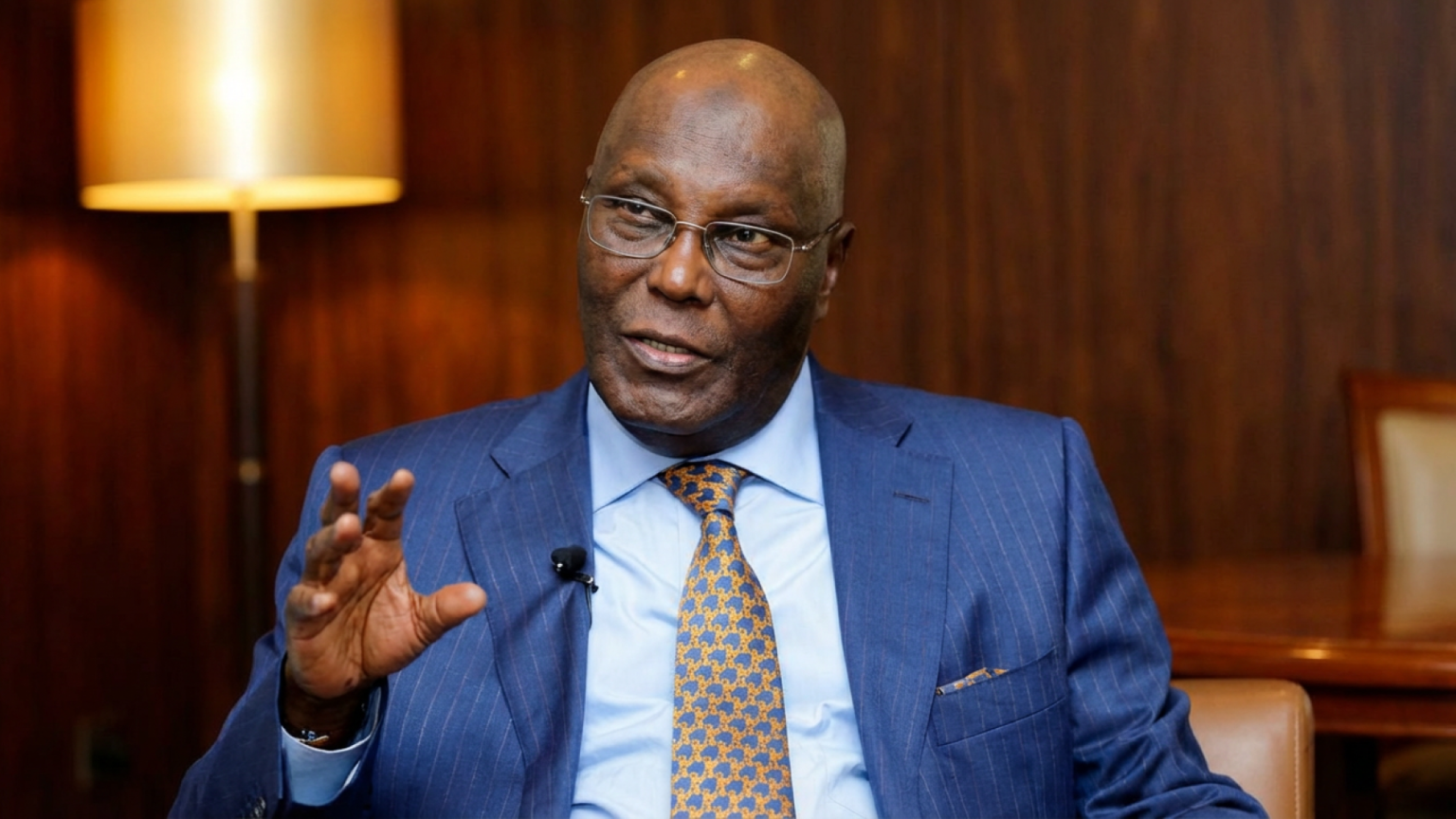
At the APC manifesto unveiling in Abuja, Head of Delivery, Office of the Special Adviser to the President on Policy Coordination, Esege Ebie Esege, who represented the Special Adviser, Hadiza Bala-Usman, described the 10,000MW target as a tall order, given Nigeria’s current electricity generation level of about 4,000MW, which occasionally rises to 5,000MW during peak periods.
“That target of 10,000 megawatts by 2031 is indeed a tall order. It’s very optimistic, considering where we are now. We are doing about 4,000 megawatts, and in the peak period we have gone up to 5,000,” he said.
Esege identified the completion of ongoing transmission projects and resolution of legacy debts as critical to achieving the target, explaining that generating more electricity would amount to little if the national grid lacked the capacity to transmit it to consumers.
He said the financial difficulties confronting operators, alongside weaknesses in transmission infrastructure, must be addressed to ensure that additional generating capacity translated into reliable electricity supply.
The official maintained that Nigeria’s electricity challenge extended beyond generation to the capacity of the transmission and distribution networks to deliver available power, stressing that the various segments of the sector must be strengthened simultaneously if the proposed target was to produce meaningful results.
His position underscored the challenge confronting the administration as it seeks to translate its electricity generation target into improved supply, particularly against the backdrop of Tinubu’s renewed promise to address the shortcomings of the existing privatisation arrangement.
Although the President did not outline specific changes to the arrangement during his Jigawa remarks, his acknowledgement that the current system was not working brought renewed attention to the structural and operational difficulties that have continued to limit electricity delivery despite successive government interventions.
Also speaking at the manifesto discussion, policy and strategy expert, Prof. Okey Ikechukwu, warned that Nigeria’s economic ambitions would remain largely unrealised without a fundamental improvement in electricity supply, describing the power crisis as a national emergency requiring urgent and coordinated intervention.
“Without power, every other thing is a pipe dream,” he declared, arguing that reliable electricity was indispensable to the success of the manifesto’s commitments on industrialisation, housing, education, employment generation and improved living standards.
Ikechukwu maintained that the government must look beyond macroeconomic growth projections and address the practical challenges confronting households and businesses, insisting that economic reforms would have limited impact unless they translated into increased productivity, reduced operating costs and improved living conditions.
He distinguished between the national economy and the household economy, arguing that growth figures would mean little to ordinary Nigerians if businesses continued to struggle with inadequate electricity and families remained unable to afford basic necessities.
According to him, the success of government interventions in education, housing and other social sectors depended on addressing the interconnected challenges affecting households and communities, including the provision of reliable power and essential infrastructure.
He explained that deploying teachers to rural communities, for instance, would not necessarily improve educational outcomes unless their accommodation, security and welfare needs were adequately addressed.
The panel, moderated by Arise News Business Editor, Rotus Oddiri, also featured Chief Executive Officer of Proshare, Olufemi Awoyemi, and examined the policy coordination and sectoral interventions required to achieve the manifesto’s six per cent annual economic growth target by 2031.
The experts maintained that reliable electricity was essential to expanding domestic production, strengthening industrial competitiveness, attracting investment and creating jobs, stressing that sustained economic growth would be difficult without addressing the infrastructure and financial constraints holding back the power sector.
Their concerns also highlighted the relationship between the President’s promise to stimulate a stronger industrial base and the electricity infrastructure required to support increased production, particularly among small and medium-scale enterprises that depend on stable power supply to sustain operations.
They urged the Federal Government to prioritise the completion of critical transmission projects, resolution of outstanding sector debts and improvements in electricity delivery, warning that the 10,000MW target must translate into actual power supply rather than remain a generation figure without corresponding benefits for consumers.
They stressed that the success of the proposed transition from economic reforms to shared prosperity would depend significantly on the government’s ability to provide stable electricity for industries, small businesses and households across the country. (The Sun)