 ADAD
ADADUpdating your news feed...

NEWS EXPRESS is Nigeria’s leading online newspaper. Published by Africa’s international award-winning journalist, Mr. Isaac Umunna, NEWS EXPRESS is Nigeria’s first truly professional online daily newspaper. It is published from Lagos, Nigeria’s economic and media hub, and has a provision for occasional special print editions. Thanks to our vast network of sources and dedicated team of professional journalists and contributors spread across Nigeria and overseas, NEWS EXPRESS has become synonymous with newsbreaks and exclusive stories from around the world.






.webp)





Loading banners
Loading banners...

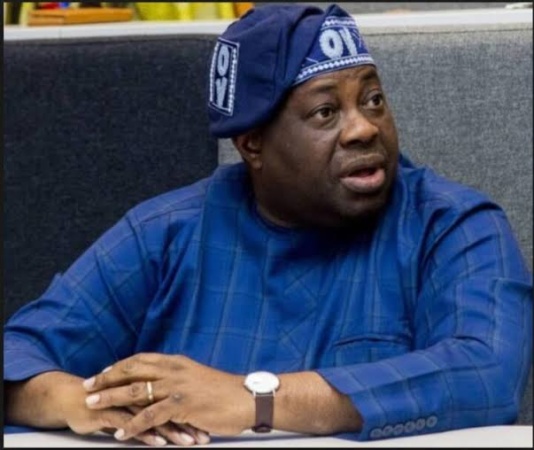
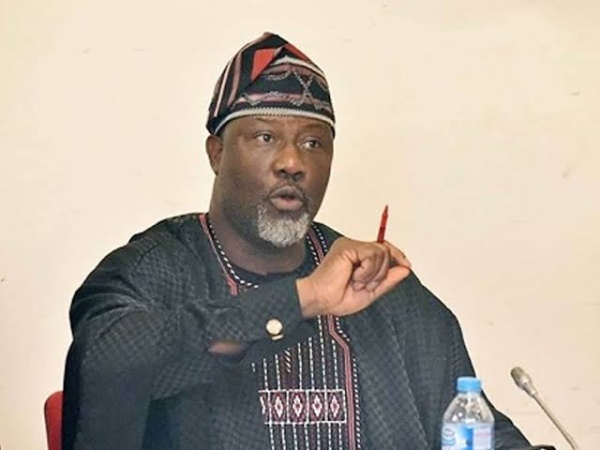
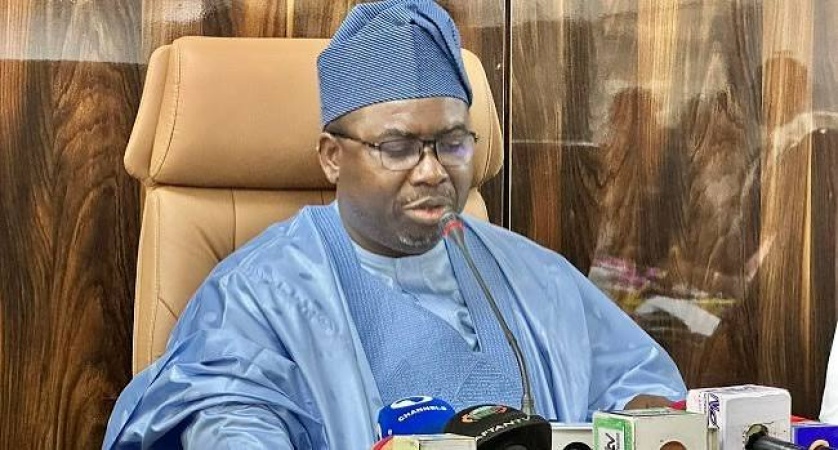
Former Kogi senator, Dino Melaye
Says Rivers emergency rule, electoral law controversies, budget lapses expose weakening legislative oversight
Senator Dino Melaye has accused the 10th National Assembly of weakening its constitutional independence and failing to hold President Bola Tinubu’s administration accountable, warning that the legislature risks becoming an extension of the presidency.
Melaye, who made the allegations at a press conference in Abuja, yesterday, said the handling of constitution amendments, electoral reforms, budget implementation, security matters, and other critical national issues raised questions about the commitment of Senate President Godswill Akpabio and House of Representatives Speaker Tajudeen Abbas to legislative oversight.
He described the 10th National Assembly as having become a “department of the Villa”, stating that the legislature is increasingly failing to exercise the institutional independence required to restrain executive power.
In a paper, titled, “The 10th Assembly: The Pathway to Tinubu’s ‘Lifetime Presidency’,” Melaye stated that a president did not need to abolish constitutional term limits to accumulate excessive power if the institutions designed to check executive authority failed to perform their duties.
He said, “A lifetime presidency does not begin with the abolition of term limits. It begins when the institutions created to restrain a president stop restraining him.
“Nigeria’s constitution does not establish an elected monarchy. It establishes a presidential democracy deliberately divided among institutions so that no individual, however popular or politically powerful, exercises the authority of the Nigerian state without constitutional restraint.”
According to him, the president possesses extensive executive powers, but the legislature retains independent authority over legislation, appropriation, and oversight, while the judiciary interprets the law.
He stated, “Cooperation is different from submission. The president may request. Parliament must scrutinise. The president may propose. Parliament may accept, amend or reject. The president may exercise power. Parliament must ensure that power remains within the constitution.”
Melaye acknowledged that the National Assembly had passed legislation, conducted investigations, and held public hearings. However, he questioned whether it had demonstrated sufficient independence when confronted with issues affecting the exercise of presidential power.
He cited the March 2025 declaration of a state of emergency in Rivers State, controversies surrounding the passage and gazetting of the 2025 tax laws, disagreements over the Electoral Act 2026, delayed budget implementation, rising Service-Wide Votes, and the handling of constitutional amendments.
He also questioned the legislature’s response to the deaths of 37 people in the custody of the Nigeria Security and Civil Defence Corps in Niger State in September and the constitutional implications of Tinubu’s three-week vacation abroad. (THISDAY, but headline rejigged)




