Updating your news feed...
NEWS EXPRESS is Nigeria’s leading online newspaper. Published by Africa’s international award-winning journalist, Mr. Isaac Umunna, NEWS EXPRESS is Nigeria’s first truly professional online daily newspaper. It is published from Lagos, Nigeria’s economic and media hub, and has a provision for occasional special print editions. Thanks to our vast network of sources and dedicated team of professional journalists and contributors spread across Nigeria and overseas, NEWS EXPRESS has become synonymous with newsbreaks and exclusive stories from around the world.




















Loading banners
Loading banners...

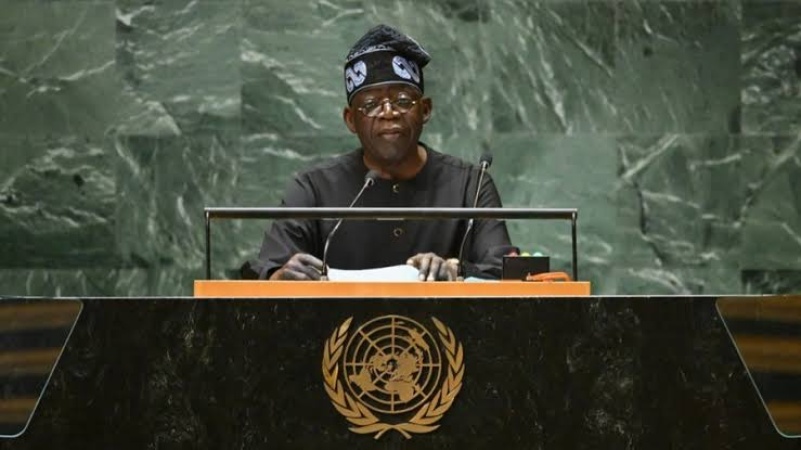
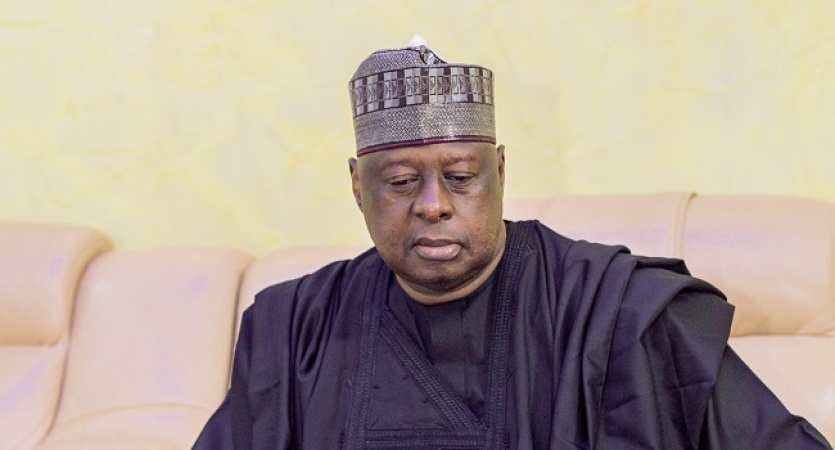
Minister of State for Petroleum Resources Oil, Lokpobiri
Minister of State for Petroleum Resources (Oil), Heineken Lokpobiri, has clarified that increased crude oil production in the country may not necessarily translate to lower petrol prices, saying the cost of refined petroleum products is largely determined by global market dynamics.
Meanwhile, global crude oil prices fell further yesterday, reigniting hopes for a reduction in Premium Motor Spirit (PMS) pump prices in Nigeria.
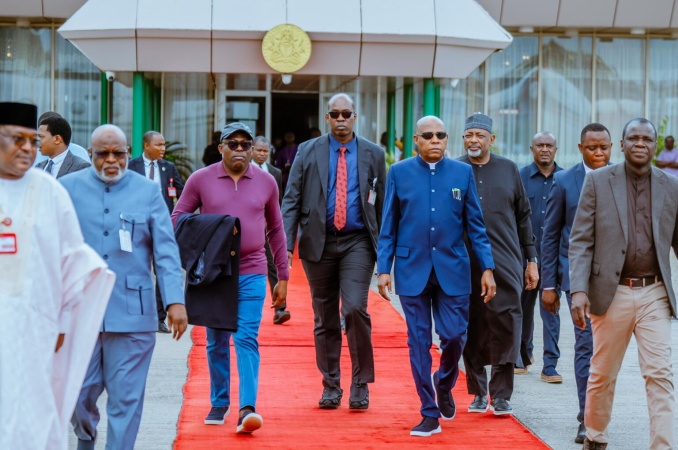
Lokpobiri clarified yesterday when the Minister of Hydrocarbons of the Republic of Congo, Stev Onanga, and his delegation visited him in his Abuja office.
The minister was responding to a question on whether Nigeria’s plan to increase indigenous participation in oil production and raise crude output to about three million barrels per day would eventually reduce the amount Nigerians pay for petrol.
The minister said: “Oil and gas is an international commodity. The price is known globally. The price in Nigeria is the same as the price in New York and London. So, whether we produce three million barrels, it may not affect the price of locally refined products.”
Lokpobiri said market dynamics were allowed to determine the prices of refined petroleum products in countries such as the United States and those in Europe, adding that Nigeria’s decision to deregulate the downstream sector was also aimed at allowing market forces to determine prices.
Lokpobiri commended the Nigerian Content Development and Monitoring Board (NCDMB) for its role in implementing the country’s local content policy.
He said Nigeria was willing to share its experience with Congo, as the Central African country seeks to strengthen its own local content framework.
African countries, he advised, must take greater responsibility for developing the continent’s energy resources and solving its energy challenges.
The Congolese minister said his delegation visited Nigeria specifically to learn from the country’s experience in developing local content in the oil and gas industry.
According to Onanga, Congo wanted to improve indigenous participation in its own petroleum sector and believed Nigeria’s experience could provide useful lessons.
“We came to see how Nigeria developed the local content policy and things like that, so that we try to build something in Congo. We came as a little brother to see the big brother and ask how they have done the local content.”
He added that Congo wanted to develop its local content capacity in a way that would benefit both countries.
A MARKET survey yesterday showed that Brent Crude and West Texas Intermediate (WTI) fell to $101.5 and $98 per barrel, respectively, at the time of reporting.
This means that Brent and WTI recorded declines of 2.29 per cent and 2.37 per cent, respectively, compared to prices traded at the weekend.
The development came despite heightened conflict in the Middle East, which has led to a drop in shipping through the Strait of Hormuz.
Data showed that the number of commodity vessels transiting the Strait dropped to about a dozen, from around 35, even as tanker traffic improved in Saudi Arabia.
Despite the decline in crude oil prices, petrol pump prices have remained high in Nigeria.
Filling stations in Abuja dispense petrol at between N1,395 and N1,450 per litre, although some retail outlets reduced their pump prices at the weekend.
Some Nigerian filling stations reduced their petrol prices amid competition in the downstream petroleum sector. (The Guardian)