
Updating your news feed...
NEWS EXPRESS is Nigeria’s leading online newspaper. Published by Africa’s international award-winning journalist, Mr. Isaac Umunna, NEWS EXPRESS is Nigeria’s first truly professional online daily newspaper. It is published from Lagos, Nigeria’s economic and media hub, and has a provision for occasional special print editions. Thanks to our vast network of sources and dedicated team of professional journalists and contributors spread across Nigeria and overseas, NEWS EXPRESS has become synonymous with newsbreaks and exclusive stories from around the world.














Loading banners
Loading banners...

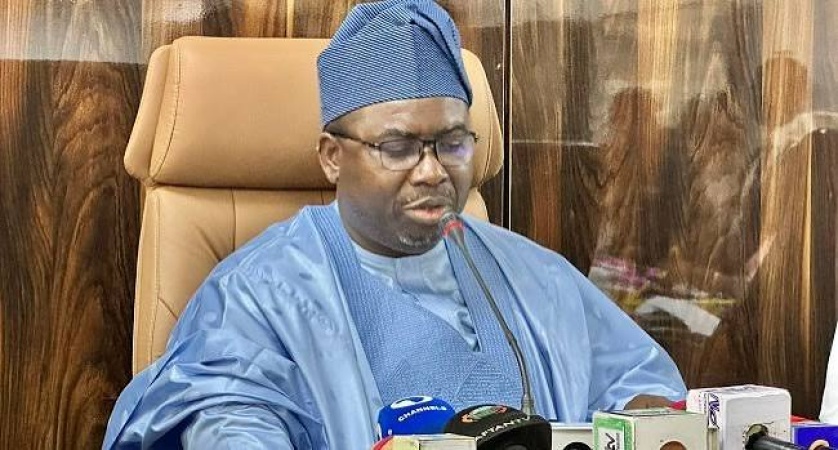
INEC Chairman, Professor Amupitan, SAN
By BONIFACE AKARA
The International Society for Civil Liberties and Rule of Law (InterSociety) has raised fresh concerns over the independence of the Independent National Electoral Commission (INEC) ahead of the 2027 elections, alleging that pressure on the commission’s chairman and unresolved operational weaknesses could undermine the credibility of the presidential poll.
The organisation made the allegations in a special statement issued from Enugu on Tuesday, September 15, 2026, signed by Emeka Umeagbalasi, Head of InterSociety Nigeria; Chidinma Evangeline Udegbunam, Head, Department of Campaign and Publicity; and Obianuju Joy Igboeli, Head, Department of Civil Liberties and Rule of Law.
InterSociety said its concerns centred on what it described as religious pressure against INEC Chairman Professor Joash Ojo Amupitan, SAN, an alleged pre-signed resignation letter attributed to him, weaknesses within INEC’s operations and the failure of opposition parties to subject the electoral commission to sufficient scrutiny.
The organisation claimed that attacks against Amupitan over a legal brief he reportedly authored before becoming INEC chairman had created a major challenge to his ability to operate independently.
“The religiously motivated media attacks at the person and religious faith (for being a Christian) of the Chairman of INEC by the Nigerian Supreme Council for Islamic Affairs (NSCIA) and allied Islamic bodies was found to have marked a turning point and a major stumbling block against the capacity of the INEC Chairman to discharge his sworn duties credibly, independently and impartially,” InterSociety alleged.
The group also cited an earlier allegation by former National Human Rights Commission chairman, Professor Chidi Odinkalu, that Amupitan’s appointment was allegedly conditional on a pre-signed resignation letter.
According to InterSociety, the allegation, which it said was reported by Sahara Reporters on April 2, 2026, further raised questions about the INEC chairman’s independence.
“INEC Chairman Amupitan’s independence, integrity and credibility were also found to have suffered another major setback when former Chairman of the National Human Rights Commission, Prof Chidi Amsalem Odinkalu made a weighty and serious allegation on his X handle, alleging that ‘INEC Chairman Amupitan’s appointment was contingent upon a pre-signed resignation letter by powerful interests’,” the statement said.
InterSociety consequently expressed doubts about INEC’s ability to conduct what it called a free, fair, credible and accountable January 2027 presidential election, alleging that institutional weaknesses could create opportunities for manipulation.
“The capacity of the INEC Chairman to conduct free, fair, credible and accountable Jan 2027 presidential poll and allied others based on polling units generated Living Results, is seriously in doubt,” the organisation stated.
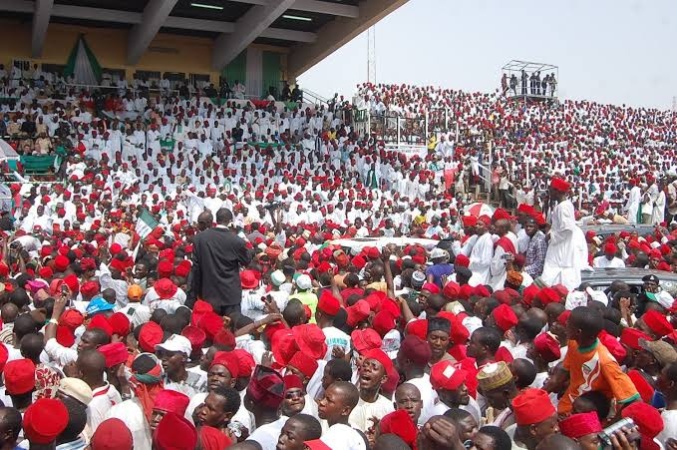
The group also accused opposition politicians, including Peter Obi and Atiku Abubakar, of paying insufficient attention to what it described as serious electoral weaknesses, arguing that political rallies and media publicity had distracted them from putting INEC under sustained scrutiny.
InterSociety said opposition parties should have been demanding clearer information from INEC on polling units and collation centres that may be affected by insecurity, particularly in areas experiencing attacks by armed groups.
It also raised concerns over voter registration records, alleging that millions of registered voters could face disenfranchisement because of problems involving PVCs, transfers, defaced or lost cards and missing names on printed voter registers.
“These INEC’s deliberate failures, silently amplified by the leading opposition figures named above had included: failure of INEC to print PVCs for the newly registered voters, failure to print new PVCs for PVC holders who moved from their previous locations to new locations through Voters’ Cards’ Transfers, failure to print new PVCs for those with defaced and lost PVCs,” the organisation alleged.
The statement singled out Anambra State as a case study, alleging that political influence had compromised or could compromise sensitive areas of the state’s INEC structure, particularly its ICT, administration, procurement and operations departments.
InterSociety specifically alleged that some officials had remained in sensitive positions for unusually long periods and claimed that political interests influenced postings and transfers.
It further alleged that some registered voters had previously been prevented from voting despite possessing PVCs because their names were allegedly missing from printed copies of the voters’ register at polling units.
The organisation said the cumulative effect of these issues could create serious problems for the 2027 elections if they were not addressed before voting begins.
“Such are also likely to be extended to Governorship, National and State Assembly Polls,” InterSociety warned.
The group called for closer scrutiny of INEC, greater transparency over polling and collation arrangements and stronger action by opposition parties and civil society organisations to identify and challenge electoral weaknesses before the 2027 polls.



