
Updating your news feed...
NEWS EXPRESS is Nigeria’s leading online newspaper. Published by Africa’s international award-winning journalist, Mr. Isaac Umunna, NEWS EXPRESS is Nigeria’s first truly professional online daily newspaper. It is published from Lagos, Nigeria’s economic and media hub, and has a provision for occasional special print editions. Thanks to our vast network of sources and dedicated team of professional journalists and contributors spread across Nigeria and overseas, NEWS EXPRESS has become synonymous with newsbreaks and exclusive stories from around the world.






.webp)


.webp)
Loading banners
Loading banners...

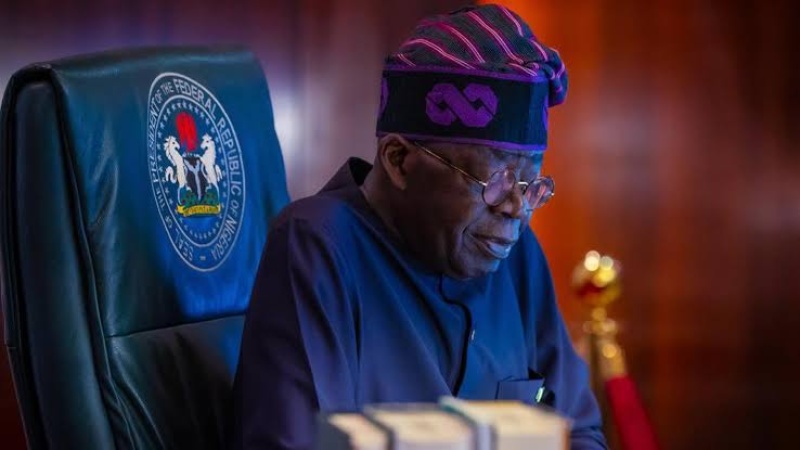
President Tinubu
By BONIFACE AKARAH
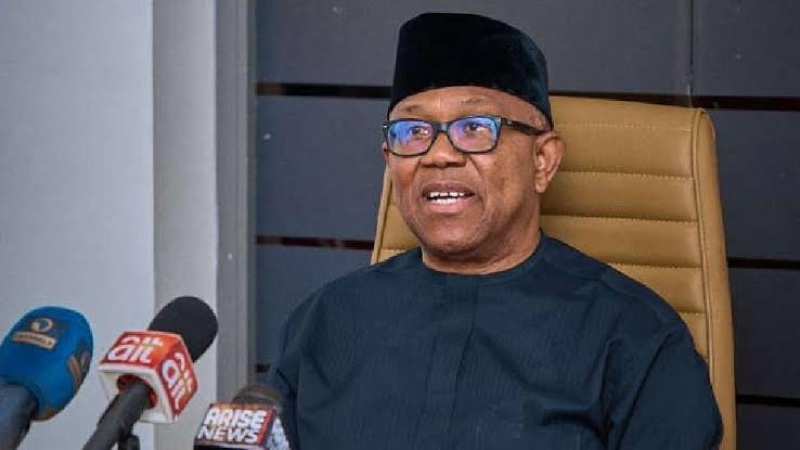
The Peter Obi Media Office has listed what it described as 10 major failures of the administration of President Bola Ahmed Tinubu, accusing the Federal Government of worsening economic hardship and failing to convince Nigerians that the sacrifices imposed by its reforms are producing better living conditions.
In a statement issued on Sunday, September 13, 2026, and signed by Idris Zekeri Jnr, the Peter Obi Media Office Spokesman, the office said it was responding to claims by supporters of President Tinubu questioning Peter Obi's popularity and political ratings, while contrasting Obi's record with what it described as the failures of the Tinubu presidency.
The Media Office identified the cost-of-living crisis as its first major criticism, arguing that the removal of petrol subsidy and other economic reforms had been accompanied by sharp increases in the prices of food, transportation and basic necessities.
It also cited inflation and declining purchasing power, saying Nigerians were seeing their incomes buy substantially less while wages struggled to keep pace with rising prices.
“Nigerians have seen their incomes buy substantially less, while wages have struggled to keep pace with prices,” the statement said in its assessment of inflation and declining purchasing power.
The office also listed the depreciation of the naira as a major failure, arguing that the decline in the currency's value had increased the cost of imported goods, medicines, machinery and industrial inputs.
It separately identified the rise in petrol prices following subsidy reforms as a fuel-price shock that had placed additional pressure on households, businesses and transport costs.
According to the Media Office, the combined effect of these developments had contributed to rising poverty and hardship, with ordinary Nigerians bearing a disproportionate share of the immediate burden of the government's economic reforms.
“The central criticism is that the immediate burden of economic reforms has fallen disproportionately on ordinary Nigerians,” it stated.
The office also criticised what it described as weak employment and economic opportunities, saying many young Nigerians continued to face unemployment, underemployment and limited opportunities for productive work despite government assurances.
On security, it said banditry, terrorism, kidnapping and communal violence continued to affect parts of the country, raising questions about the effectiveness of the administration's security strategy.
The Media Office further raised what it called public trust and transparency concerns, pointing to controversies surrounding government spending, appointments, procurement and the management of public resources.
It also criticised what it described as a perception of political rather than institutional governance, alleging that the administration had at times appeared more focused on political consolidation and 2027 calculations than on building strong and independent institutions.
“Perhaps the broadest criticism is that the administration's reform narrative has not yet translated into a sufficiently visible improvement in the daily lives of ordinary Nigerians because of apparent corruption allegations all over the place,” the statement said.
The Media Office acknowledged that President Tinubu inherited what it described as a difficult Nigeria but argued that this did not settle the question of whether Nigerians were now better off after the administration's policy choices.
It said the critical test was whether the sacrifices demanded by the government's reforms were producing tangible improvements in the lives of citizens.
“The fundamental question is not whether Tinubu inherited a difficult Nigeria. He did. The question is whether, after taking difficult decisions, Nigerians are better off today—and whether the government has convincingly demonstrated that today's sacrifice is producing tomorrow's prosperity,” the statement said.
The Media Office then gave its own answer to the question, declaring that Nigerians were not better off under the present administration.
“Your answer is an obvious capital NO,” it concluded.
Below, according to the Peter Obi media Office, are the ten failures of the Tinubu Presidency Nigerians cannot ignore:
1. Cost-of-living crisis — The removal of the petrol subsidy and other economic reforms have been accompanied by a severe rise in the cost of food, transportation and necessities.
2. Inflation and declining purchasing power — Nigerians have seen their incomes buy substantially less, while wages have struggled to keep pace with prices.
3. Naira instability — The sharp depreciation of the naira has increased the cost of imported goods, medicines, machinery and industrial inputs.
4. Fuel-price shock — Petrol prices rose dramatically following subsidy reforms, placing additional pressure on households, businesses and transportation costs.
5. Rising poverty and hardship — The central criticism is that the immediate burden of economic reforms has fallen disproportionately on ordinary Nigerians.
6. Weak employment and economic opportunities — Despite repeated government assurances, many young Nigerians continue to face unemployment, underemployment and limited opportunities for productive work.
7. Security challenges remain unresolved — Banditry, terrorism, kidnapping and communal violence continue to affect parts of the country, raising questions about the effectiveness of the government's security strategy.
8. Public trust and transparency concerns — Controversies surrounding government spending, appointments, procurement and the management of public resources have continued to generate questions about transparency and accountability.
9. Perception of political rather than institutional governance — Critics argue that the administration has sometimes appeared more focused on political consolidation and 2027 calculations than on building strong, independent institutions.
10. The gap between promises and lived experience — Perhaps the broadest criticism is that the administration's reform narrative has not yet translated into a sufficiently visible improvement in the daily lives of ordinary Nigerians because of apparent corruption allegations all over the place.




