 ADAD
ADAD
Updating your news feed...
NEWS EXPRESS is Nigeria’s leading online newspaper. Published by Africa’s international award-winning journalist, Mr. Isaac Umunna, NEWS EXPRESS is Nigeria’s first truly professional online daily newspaper. It is published from Lagos, Nigeria’s economic and media hub, and has a provision for occasional special print editions. Thanks to our vast network of sources and dedicated team of professional journalists and contributors spread across Nigeria and overseas, NEWS EXPRESS has become synonymous with newsbreaks and exclusive stories from around the world.














Loading banners
Loading banners...

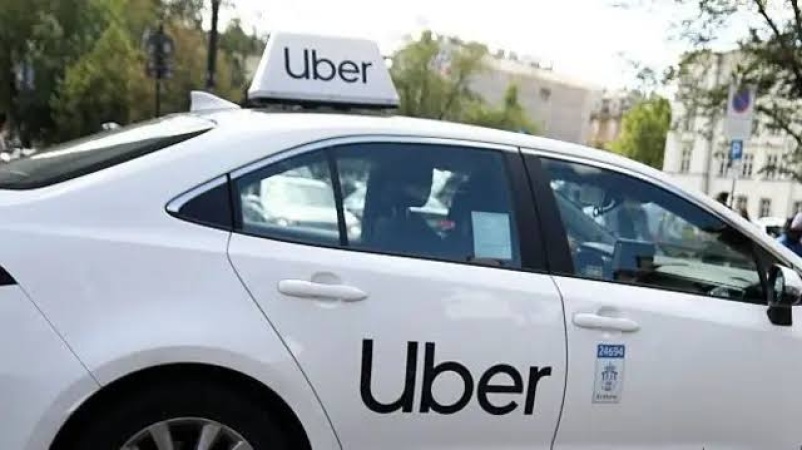
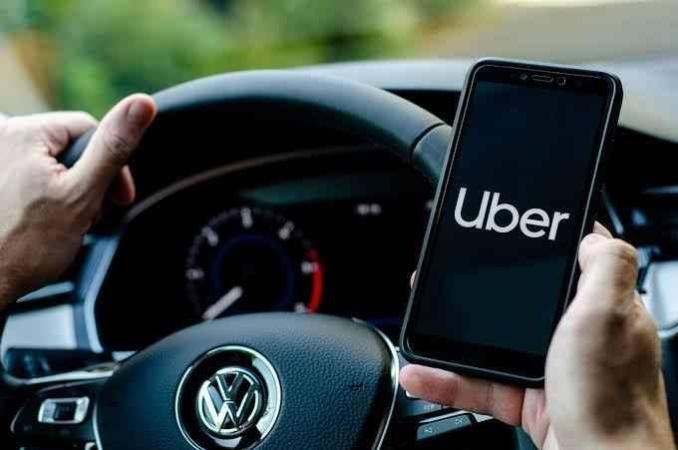
Riders using Uber, a ride-hailing service in Nigeria woke up yesterday morning to an unexpected information on the company’s app: “No ride available.”
And shortly after, the firm announced its exit from the Nigerian and Ugandan markets effective September 2, 2026.
Uber operated in Nigeria for 12 years.
Head of Communications, Uber in East and West Africa, Ms Lorraine Onduru, in a statement in Lagos, said that the decision followed a review of its evolving business priorities and investment focus across Africa.
According to her, the company’s decision was not connected to the recent Federal Airports Authority of Nigeria (FAAN) directive concerning e-hailing operations at Nigerian airports.
The exit, she said, is driven by its broader review of business priorities and investment focus across the continent.
She stated that the resolution was limited to Nigeria and Uganda, and would not affect its operations across the rest of Africa.
“Uber remains deeply committed to Sub-Saharan Africa, where we continue to see robust growth and long-term opportunity,” Onduru said.
She said that its immediate priority was supporting affected drivers, riders and employees throughout the transition.
Onduru said that Uber had begun communicating directly with affected employees, drivers and riders on arrangements following the discontinuation.
She said that active drivers would receive a token of appreciation as they transitioned out of the platform.
Onduru also said that rider support would remain available for 21 days after operations ceased, to address outstanding and transition-related issues.
She said that Uber for Business services in Nigeria would also be discontinued as part of the exit, and partners were being contacted over the transition.
On data privacy, Onduru said that rider information would continue to be handled, in line with applicable data protection laws, privacy requirements and its data protection policies.
She said that data retention would be limited to legally required periods, while appropriate security controls would remain in place. Reacting to the announcement, a FAAN cab man, Eyo Christian, described the exit as a welcome development. He spoke on national television.
Christian said Uber and Bolt should be banned in Nigeria because their services are not sustainable.
According to him, their commission denied Nigerian drivers good profit.
“I used to work for Uber, Bolt and inDrive. When they take their commissions, what is left for drivers is paltry. Many drivers have complained to them to reduce their commissions, but they refused. The vehicles used by the ride-hailing firms are below standard,” he said.
But two other Uber drivers interviewed by The Nation, contradicted Christian’s narrative.
Hakeem Adebajo, who worked with Uber for two years, described their service as the best.
He said Uber takes care of the security of both drivers and passengers by proper monitoring.
He added that drivers make better profits on Uber than Bolt and inDrive. Also, Olanrewaju Shittu said Uber paid many drivers more money than others.
Besides what the drivers earn, Shittu, who has been on Uber Service for three years, said the firm gives drivers N70,000 allowance weekly. This, he said, other ride-hailings don’t do.
He said two things that could have led to Uber exiting the country are dishonesty among the drivers and competition from other service providers.
“Drivers keep short-changing Uber by telling clients to cancel their bookings and pay offline.
Also, Uber competitors, especially, inDrive gives more power to clients. Unlike Uber, clients can reduce the service. This made many leave Uber for inDrive,” he said.
He argued that drivers’ business would be miserable by Uber’s exit because they wouldn’t have enough money to maintain their vehicles.
According to him, Uber deducts 33 per cent, Bolt – 25 per cent while inDrive takes off 13 per cent commissions from drivers’ earnings.
In a related manner, Trevor Noah, a South African comedian, writer and political commentator, said: “Uber went from country to country expanding its operations by offering incentives to drivers in every market they entered. The deal was simple: if you picked up a passenger from the airport and completed the ride, Uber would give you a bonus worth twice the normal fare. It worked in most countries, but in Nigeria, drivers found a way to game the system. They signed up for Uber Bookings, then booked themselves, drove to the airport without picking up any passengers, and still collected the bonuses. Once Uber discovered what was happening, they had no choice but to cancel the incentive program across all the countries where it was running.”
Weighing on the matter, Akin Olaoye, said he wasn’t surprised by the firm’s decision.
He wrote on X “This market punishes platforms that assume trust. The company built the marketplace, while the driver shows up and asks the rider to go offline, keeping the full fare. Zero work locating the passenger! 100 per cent of the money treated as entitlement.
“This is not government or economy or market forces; it’s culture! We are too comfortable circumventing the system that made the transaction possible.
inDrive and others will inherit the demand and the same leak. Uber also never gave riders a reason to stay honest, no real loyalty, no rewards. For example after 10 trips, a free trip. Customers were not incentivised for refusing side deals. Localise or die! They obviously chose not to. Sad, but predictable!”
Responding to Olaoye’s message, another X user, Enigma, wrote: “The deeper issue is incentives, not just culture. When going offline is more profitable than staying on-platform, people will bypass the system. Uber failed to close that loophole or make loyalty more rewarding. A marketplace survives when both sides have a reason to play by the rules. Culture and incentives go hand in hand. If you want people to do the right thing, reward them for it and make cheating less attractive. That’s how you build trust and loyalty. (The Nation)



