ADAD
ADAD
Updating your news feed...
NEWS EXPRESS is Nigeria’s leading online newspaper. Published by Africa’s international award-winning journalist, Mr. Isaac Umunna, NEWS EXPRESS is Nigeria’s first truly professional online daily newspaper. It is published from Lagos, Nigeria’s economic and media hub, and has a provision for occasional special print editions. Thanks to our vast network of sources and dedicated team of professional journalists and contributors spread across Nigeria and overseas, NEWS EXPRESS has become synonymous with newsbreaks and exclusive stories from around the world.












Loading banners
Loading banners...

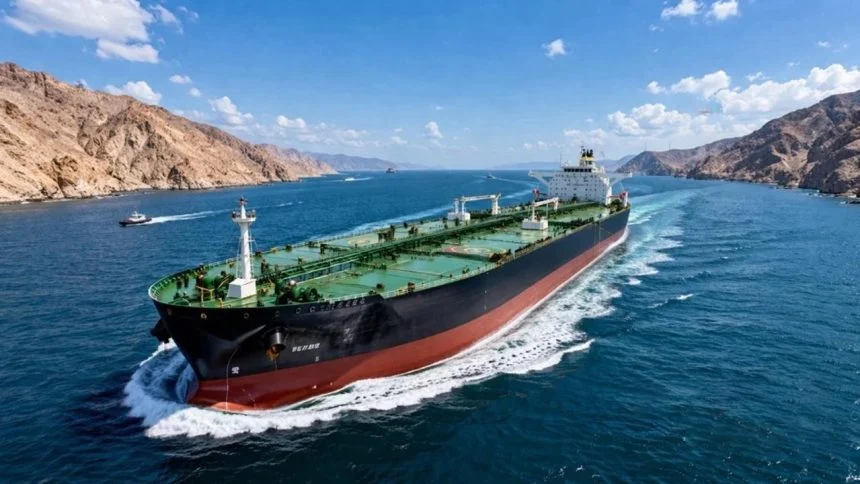
An oil tanker passes through the Strait of Hormuz, a major global energy route.
Global oil prices rose on Tuesday as renewed fighting between the United States and Iran revived fears of disruptions to crude supplies from the Middle East.
Brent crude futures rose 2.4 per cent to $92.66 a barrel, while US West Texas Intermediate crude climbed 2.89 per cent to $88.24.
The latest increase followed the first direct exchange of attacks between Washington and Tehran in about a month. The United States carried out strikes on Iran’s Larak Island, while Iran retaliated by targeting US military bases in Jordan.
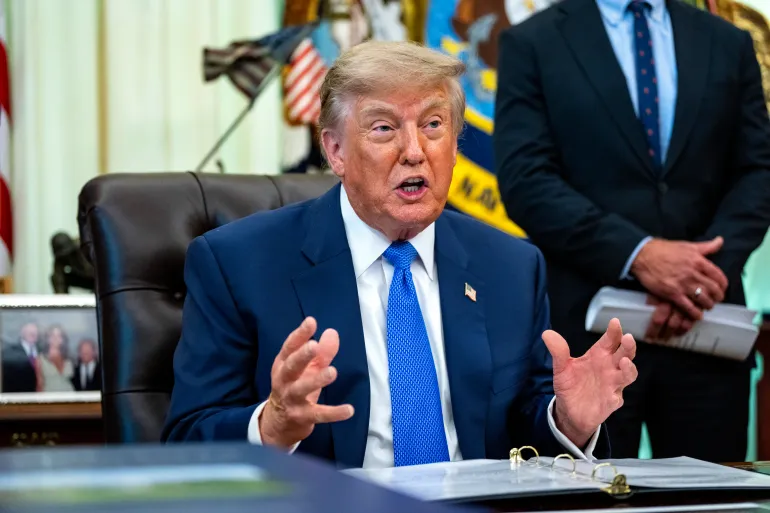
US President Donald Trump has threatened further attacks against Iran, saying Washington would “hit them hard” in response to the Iranian strikes.
The renewed hostilities have heightened concerns over the Strait of Hormuz, one of the world’s most important oil shipping routes. The waterway handles about one-fifth of global oil supplies during normal periods.
Shipping through the strait remains severely restricted, with preliminary data from Kpler showing that only five commodity vessels crossed the waterway on Monday, compared with a 10-day average of about 14 vessels. No liquid tankers were among those recorded crossings.
A tanker was also reportedly struck by three unidentified projectiles while leaving the Strait of Hormuz near Oman, although there were no reported casualties. No group has claimed responsibility for the incident.
The disruption has raised fresh concerns among oil traders that prolonged fighting could further restrict exports from major Gulf producers, including Saudi Arabia and the United Arab Emirates.
Iranian President Masoud Pezeshkian, however, said Tehran was prepared to return to the June ceasefire agreement if the United States also resumed its commitments under the deal. Qatar and Oman have been involved in efforts to ease tensions and reopen the strategic waterway, but those efforts have so far failed to produce a breakthrough.
Analysts expect oil prices to remain volatile as markets assess whether the latest military exchanges develop into a wider conflict.
For now, traders are closely watching developments around the Strait of Hormuz, with any further attacks on shipping likely to put additional upward pressure on crude prices.(Tribune)