
Updating your news feed...
NEWS EXPRESS is Nigeria’s leading online newspaper. Published by Africa’s international award-winning journalist, Mr. Isaac Umunna, NEWS EXPRESS is Nigeria’s first truly professional online daily newspaper. It is published from Lagos, Nigeria’s economic and media hub, and has a provision for occasional special print editions. Thanks to our vast network of sources and dedicated team of professional journalists and contributors spread across Nigeria and overseas, NEWS EXPRESS has become synonymous with newsbreaks and exclusive stories from around the world.













Loading banners
Loading banners...


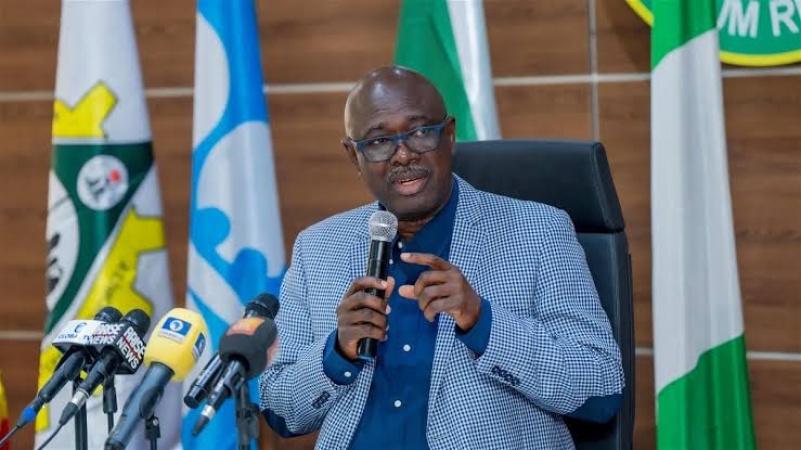
NECA DG, Adewale-Smatt Oyerinde
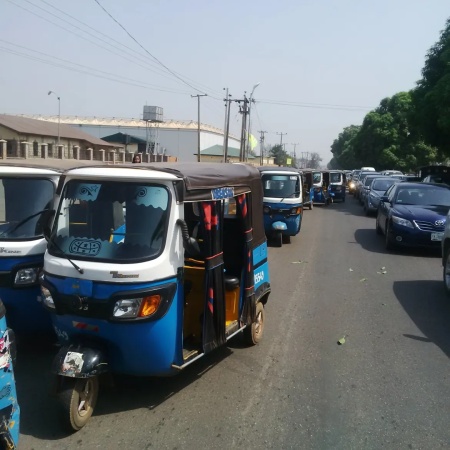
Employers in the organised private sector have urged the Federal Government to urgently address rising transport costs, food inflation and housing pressures ahead of the next national minimum wage negotiations, warning that the talks may fail if underlying economic challenges are not resolved.
This is coming a day after the Nigeria Governors’ Forum disclosed that state governors are proposing a new national minimum wage of N100,000 as part of ongoing efforts to cushion the effects of economic hardship on Nigerian workers.
Also, the Nigeria Labour Congress had earlier announced during the May Day celebrations that negotiations for a new minimum wage would commence in July.
Reacting, Director-General of the Nigeria Employers’ Consultative Association (NECA), Mr. Adewale-Smatt Oyerinde, said early engagement and decisive policy action are necessary to ensure the wage talks reflect real economic conditions rather than nominal figures. Oyerinde stressed that wage negotiations must be preceded by deliberate interventions targeting key cost drivers affecting workers, especially transportation, food security and housing.
He called for structured collaboration among government, labour and the private sector ahead of formal negotiations to avoid prolonged disputes and implementation challenges.
“For now, we commend the NLC for raising the issue. Before now, we have advocated for a proactive, quasi-formal engagement—perhaps an informal conversation that government should begin leading,” he said.
He noted that policy discussions should begin early, referencing International Labour Organisation (ILO) guidelines on wage-setting, which he said had already been shared with relevant government agencies to guide preparatory steps.
Oyerinde argued that addressing transportation challenges should be a priority, warning that unresolved issues could become major obstacles during wage negotiations. (The Guardian)