ADAD
ADAD
Updating your news feed...
NEWS EXPRESS is Nigeria’s leading online newspaper. Published by Africa’s international award-winning journalist, Mr. Isaac Umunna, NEWS EXPRESS is Nigeria’s first truly professional online daily newspaper. It is published from Lagos, Nigeria’s economic and media hub, and has a provision for occasional special print editions. Thanks to our vast network of sources and dedicated team of professional journalists and contributors spread across Nigeria and overseas, NEWS EXPRESS has become synonymous with newsbreaks and exclusive stories from around the world.
















Loading banners
Loading banners...

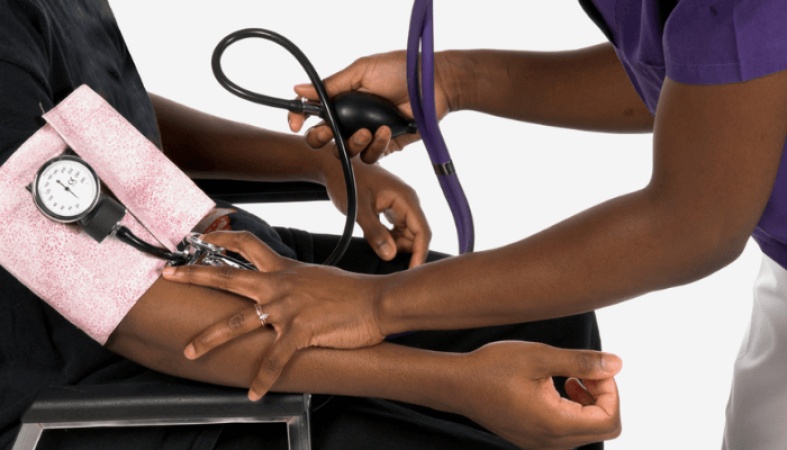
World Hypertension Day is commemorated annually on 17 May, and this year’s theme is worth hearing more than once: Controlling Hypertension Together. Check your blood pressure regularly, defeat the silent killer [1]. It is a call to governments, clinicians, communities and everyday people. In Nigeria, the reminder is especially timely.
Across the world, about 1.4 billion people are living with high blood pressure, yet only one in four has it under control [1]. For many others, damage is already unfolding quietly in the heart, brain, kidneys, and blood vessels. Left unchecked, that silent strain can end in stroke, heart failure, kidney disease, or sudden collapse. Nigeria sits squarely within this crisis, and the burden appears to be growing [3–5].
Many Nigerians living with hypertension look and feel well. They wake up, get ready for the day, pray, go to work, sit in traffic, return home tired, and sleep. Nothing in that routine suggests a medical emergency. Yet harm may already be developing in the heart, kidneys, brain, and eyes long before symptoms appear.
That is what makes hypertension so dangerous. In simple terms, it is persistently elevated arterial blood pressure ≥140/90 mmHg, where the top number reflects pressure during heart contraction and the lower number reflects pressure during relaxation between beats [2]. Many patients in Nigeria only discover it after a stroke, after heart failure has begun, or when kidney function has already declined. In both urban hospitals and rural clinics, it is increasingly appearing in younger adults, traders, teachers, and communities that once assumed it was someone else’s problem [3].
Without wider screening, clearer public education and treatment systems that people can consistently access and remain in, that pattern will deepen.
THE FIGURES EVERY NIGERIAN SHOULD KNOW
Nigeria’s hypertension burden did not appear overnight. It has been building for decades, and the numbers now tell a story that demands attention.
In 1995, about 8.6% of Nigerian adults had hypertension. By 2020, that figure had climbed to 32.5%, rising from roughly 4.3 million people to nearly 27.5 million in a single generation [4]. More recent data published puts the prevalence at 34.2%, meaning approximately one in every three Nigerian adults now lives with high blood pressure [3].
This is not only a Nigerian problem. A major systematic review and meta-analysis across sub-Saharan Africa found that about 27.1% of adults are hypertensive. The burden varies by region, with higher levels reported in West Africa (30.7%) and Central Africa (32.8%), while lower rates were observed in East Africa (24.5%) and Southern Africa (22.4%) [5].
What makes the Nigerian picture more alarming is not just the prevalence but the diagnosis gap. Only 29% of Nigerians with hypertension know they have it. Just 12% are receiving treatment, and only 2.8% have their blood pressure adequately controlled [4]. These are not figures that describe a system under mild strain. They describe a system that has not yet reached most of the people who need it.
WHAT HIGH BLOOD PRESSURE DOES INSIDE THE BODY
Blood pressure is the force created as blood moves through the arteries with each heartbeat. The body depends on that pressure to deliver oxygen and nutrients to vital organs. Trouble begins when the pressure stays persistently high over many months or years without treatment [2].
A useful way to picture It is to imagine water constantly running through a hose at excessive pressure. Over time, the lining weakens, the walls lose flexibility, and damage begins to appear. Blood vessels in the body face a similar strain when blood pressure stays elevated.
Healthy vessels are flexible. They widen and narrow as the body’s needs change. In hypertension, sustained pressure damages the endothelium, the delicate inner lining that helps vessels stay smooth and responsive. The vessels stiffen, narrow and gradually lose the ability to regulate blood flow properly [6].
The body’s own control systems then add to the problem. Stress hormones such as adrenaline remain raised, keeping the heart rate up and the blood vessels constricted. The kidneys activate the renin-angiotensin-aldosterone system, a pathway that normally helps manage fluid and pressure, but in hypertension it works too hard, causing sodium and water retention and pushing blood volume even higher [6]. The result is a cardiovascular system that remains under constant strain and never fully relaxes.
The heart carries the greatest load. As it pumps against increasingly stiff blood vessels day after day, the muscular wall of the lower chamber of the heart that pumps blood to the body becomes thicker. This is called left ventricular hypertrophy. Although the muscle becomes larger, it functions less efficiently over time, reducing the heart’s ability to fill and pump properly and increasing the risk of cardiovascular disease [2, 6].
Because blood vessels supply every organ, the effects spread throughout the body. In the brain, long-term high blood pressure damages vessel walls, disrupts blood flow regulation and increases the risk of stroke caused by blockage or bleeding (ischaemic and haemorrhagic stroke), as well as memory problems and dementia [2, 6]. In the kidneys, high pressure gradually damages the tiny filtering units (nephrons), and as more of these units are lost, kidney function keeps declining and may eventually require dialysis or transplant. In the eyes, damage to the small retinal blood vessels (hypertensive retinopathy) can slowly reduce vision and may lead to permanent sight loss.
What makes hypertension especially dangerous is that much of this damage develops silently. Many people continue to feel entirely well while injury is already occurring within the body. This is why the World Health Organization describes hypertension as a silent killer and one of the leading preventable causes of premature death worldwide [7].
HOW HYPERTENSION TAKES ROOT IN THE BODY
Hypertension rarely has a single cause. More often, it develops gradually as several factors act together over many years until the arteries can no longer cope with the strain. Some of these factors cannot be changed. Age, family history and inherited risk all increase the likelihood of developing high blood pressure over time [2]. Age adds another layer, as arteries naturally stiffen and become less able to cope with sustained pressure.
Much of the risk, however, is shaped by everyday life, and that is also where much of the opportunity for prevention lies. Diets high in salt, physical inactivity, excess body weight, tobacco use, alcohol, chronic stress and poor sleep all contribute to rising blood pressure through interconnected pathways in the body [8,9]. The kidneys are central to this process because they regulate sodium and fluid balance. When that balance is disturbed by a high-salt diet, obesity or kidney disease, the body retains more fluid than it should, blood volume rises and arterial pressure increases [6].
Stress can be equally damaging. When financial pressure, job insecurity, family strain and economic anxiety continue without relief, the sympathetic nervous system remains constantly activated. Adrenaline and cortisol stay elevated, the heart works harder, blood vessels remain constricted and blood pressure remains high not only during moments of tension, but across months and years [6,10].
Poor sleep further compounds the problem. During healthy restorative sleep, blood pressure normally falls in a process known as nocturnal dipping, allowing the cardiovascular system time to recover. When sleep is consistently poor, that recovery does not happen, and the effects accumulate quietly over time.
WHY HYPERTENSION IS INCREASING IN NIGERIA
Nigeria’s rising hypertension burden reflects real changes in the way people now eat, move, work and carry daily stress [4]. These changes did not happen in isolation, and they cannot be reversed by a single intervention.
The salt hidden In plain sight
Excess sodium is one of the strongest modifiable drivers of high blood pressure [6]. The World Health Organization recommends staying below five grams of salt per day, roughly a level teaspoon. Most Nigerians consume more than that, and much of the extra sodium is hidden where it is hardest to notice. It is not only the saltshaker. It is in seasoning cubes, packaged snacks, instant noodles, processed meats, canned foods and fast food that has become routine in many urban and rural communities [9]. That sodium load increases fluid retention, raises blood volume, pushes arterial pressure upward and keeps the heart and vessels under constant strain [6]. Health professionals continue to advocate a return to traditional Nigerian diets rich in beans, vegetables, fruits and fresh foods, which are lower in sodium and contain nutrients that support blood pressure control.
Sitting still while blood pressure climbs
Physical activity has fallen in many parts of Nigeria. Long commutes, desk jobs, extended screen time and less physically demanding labour have produced a population that moves far less than it once did.
More than half of Nigerians living with hypertension are overweight or obese [8]. Extra body fat increases the workload on the heart, alters hormone balance, activates the sympathetic nervous system and fuels the vascular inflammation that damages arteries over time [6]. The body notices every kilogram of excess weight, and it notices it at the level of blood pressure.
The hopeful part is that even modest, consistent increases in physical activity make a measurable difference. Blood pressure falls. Heart function improves. Cardiovascular risk drops. The benefits do not require a gym membership or a structured programme. They begin with a daily walk, less time spent sitting and the commitment to maintain both [9].
The weight of Nigerian daily life
Chronic psychological stress has become a recognised driver of hypertension in Nigeria, especially among younger adults [10]. Financial insecurity, unemployment, traffic, family pressure and the strain of an economy that asks much and guarantees little all keep the stress response active longer than it should be. When stress hormones such as adrenaline and cortisol, which prepare the body for “fight or flight” and keep the heart beating faster and blood vessels tighter, stay elevated for long periods, blood pressure does not settle, and the vascular effects accumulate quietly over time. Poor sleep makes recovery even harder. Without the normal overnight dip that sound sleep provides, the cardiovascular system carries its burden from one day into the next, and the damage slowly builds.
Alcohol and tobacco
The evidence on harm caused by alcohol is now clear: WHO has reported that no level of alcohol consumption is completely risk-free [11]. Alcohol raises blood pressure, contributes to stroke and heart disease, damages the liver and is associated with several cancers. Health professionals advise Nigerians to reduce intake or stop entirely [9, 11].
Tobacco causes direct injury to blood vessel walls, speeds up arterial stiffening and raises blood pressure with every exposure [9]. The long-term vascular damage from smoking is well established, and every cigarette abandoned is a step away from harm that is difficult to reverse.
An unexpected social picture
Nigerian research has also revealed some unexpected patterns in who carries the greatest risk of hypertension [8]. While education is usually associated with better health outcomes, some local studies have found higher rates of hypertension among people with higher educational attainment, likely reflecting sedentary work routines, occupational stress and the dietary shifts that often accompany urban professional life. Personal and social circumstances also appear to matter. Studies have linked higher blood pressure rates with being married, widowed or unemployed, highlighting how emotional strain, loss, financial pressure and reduced physical activity can influence cardiovascular health over time [8,10].
THE ORGANS HYPERTENSION SLOWLY DESTROYS
The harm caused by uncontrolled hypertension spreads through the body over many years, and it often becomes visible only after serious and sometimes irreversible damage has already occurred [2].
In the brain, sustained high blood pressure damages vessel walls and affects the brain’s ability to regulate its own blood flow, significantly increasing the risk of stroke caused by blockage or bleeding. The link with memory loss and vascular dementia is well established [2, 6]. In the kidneys, pressure inside the tiny filtering units rises and gradually destroys their ability to work, causing kidney function to fall in a cycle that gets worse over time until end-stage renal failure develops. In the heart, the extra pressure forces the muscle to work harder, leading to thickening and scarring that reduces its ability to fill and pump properly, increasing the risk of heart failure, irregular heart rhythms and heart attack [2, 6]. In the eyes, hypertensive retinopathy damages the small retinal blood vessels silently and can end in permanent blindness.
The World Health Organization identifies hypertension as the leading preventable cause of premature death globally [7]. In the right setting, with early detection and proper treatment, these outcomes are largely preventable.
WHAT FAMILY PHYSICIANS BRING THAT NOTHING ELSE CAN
Family physicians are far more than the first point of contact for hypertension care. A family physician, also known as a family doctor, provides continuing care for people of all ages and manages many of the health problems commonly seen in everyday practice. They are often in the best position to prevent early hypertension from progressing to stroke, kidney failure, or heart disease.
What makes Family Medicine different is the ability to see patients within the realities of their daily lives. A family physician does not see only a blood pressure reading, but a person shaped by work demands, family responsibilities, financial limitations, inherited risk, and personal beliefs about illness [9] These realities influence every clinical decision, from the medicines prescribed to the way treatment is discussed and whether long-term adherence is realistically achievable.
Because hypertension is usually symptomless, routine screening is the only reliable way to detect it [1] Family physicians create that opportunity during routine consultations, antenatal visits, immunisation sessions, workplace screening and community outreach. Every adult should know their blood pressure reading, and for most people the target is below 140/90 mmHg, although treatment goals may be adjusted depending on coexisting illnesses and current clinical guidelines [2, 9]. Detecting hypertension before organ damage begins changes the long-term outcome dramatically.
Long-term control also depends on real, sustained lifestyle change, and that does not come from one conversation. It comes from an ongoing relationship in which a doctor understands the patient’s daily realities and gives advice that fits into them. Family physicians help patients reduce dietary salt, eat better, move more, manage weight, stop tobacco and handle stress in ways that are actually possible in their lives, not merely ideal on paper [9]. Because they often care for several members of the same household, their influence extends beyond one patient and into the family itself.
Hypertension does not disappear. It requires lifelong management without interruption. When blood pressure becomes normal on treatment, that is treatment working, not cure [2]. Stopping medication at that point allows the pressure and the damage to return. This is one of the most dangerous misunderstandings family physicians must correct repeatedly, and they do so best within a trusted relationship built over time. They also monitor treatment response, adjust medications when needed and coordinate specialist care when complications arise [9].
Many Nigerians living with hypertension also carry other burdens, including obesity, diabetes, chronic kidney disease, depression, anxiety and the financial pressure that makes regular medication use difficult month after month [8, 10]. Family physicians are trained to deal with those realities as part of the same clinical picture rather than treating them as separate problems.
Beyond direct patient care, family physicians also play an important role in public education, community screening, and advocacy. They work with schools, workplaces, religious organisations, and local communities to improve awareness and encourage earlier detection and treatment of hypertension across Nigeria. As hypertension increasingly affects younger adults and becomes more common in rural areas, the need for this community-based approach continues to grow.
PROOF THAT THINGS CAN CHANGE
Evidence from Nigeria itself shows that high treatment rates and meaningful blood pressure control are not just ideal targets. They are achievable within the health system that already exists.
The Hypertension Treatment in Nigeria Programme, running in selected primary healthcare facilities across the Federal Capital Territory, has reported treatment rates above 90% and blood pressure control rates above 50% among enrolled patients. (12) Those outcomes compare favourably with what many wealthier countries with larger health budgets manage to achieve.
The programme works because it is built on practical foundations: standardised clinical protocols, team-based care, fixed-dose combination medicines that make treatment simpler, structured follow-up and support for home blood pressure monitoring. (12) Plans are underway to expand this model to additional states across Nigeria’s six geopolitical zones. (12) If that expansion is properly funded and sustained, it could show the country at scale what the Federal Capital Territory has already demonstrated locally.
Health experts broadly agree that sustained investment in primary healthcare and in the family medicine workforce will be decisive in reducing the deaths and disabilities from hypertension that are currently preventable in Nigeria.
WHAT EVERY NIGERIAN CAN DO NOW
For most people, hypertension can be prevented. For those already living with it, control is within reach. Neither happens by accident.
Every Nigerian adult should have their blood pressure checked and should know what the number means [1]. Blood pressure targets are individualised, but for many adults the treatment goal is below 140/90 mmHg [2]. For those already on antihypertensive medication, the instruction is simple: take it every day, including the days when you feel well, because feeling well is not a reason to stop. It is often proof that the treatment is working.
Reduce hidden salt in everyday meals. Choose more of the foods long cultivated across Nigeria such as vegetables, beans, fruits, fresh fish, and whole grains. Stay physically active and avoid prolonged sitting. Stop smoking, limit or avoid alcohol, and maintain good sleep habits. Most importantly, seek medical care early rather than waiting for complications to force the decision.
THIS CANNOT BE DONE BY ANY ONE PERSON ALONE
Hypertension is no longer a condition affecting only a few Nigerians; it is now found in households across the country. It cuts across income levels, age groups, educational backgrounds, and geography. It affects people in cities and villages alike, among the young and the old, and many do not know they are living with it.
Even so, it remains one of the most manageable conditions in medicine when detected early and treated consistently. Medicines are available, knowledge is available, and evidence for effective control is clear.
What World Hypertension Day calls for in Nigeria is the one thing that gives all of this meaning: a genuine collective response. Individuals must check their blood pressure and take the result seriously. Families should make healthy choices easier at home. Health workers should make blood pressure screening part of every patient encounter. Governments and institutions must treat hypertension as the national emergency it already is, close the treatment gap, and make affordable care more accessible to ordinary Nigerians.
A blood pressure check takes only a minute, yet it can uncover years of hidden risk before damage becomes irreversible. Every healthy meal matters, every morning walk counts, and every tablet taken on time makes a difference.
Hypertension moves quietly, but it is not unstoppable. Detection is possible, control is achievable, and with sustained effort across Nigerian society, many lives can still be protected before irreversible damage occurs.
REFERENCES
1. World Health Organization. World Hypertension Day 2026: Controlling Hypertension Together: check your blood pressure regularly, defeat the silent killer. Geneva. [cited 2026 May 14]. Available from: https://www.who.int/news-room/events/detail/2026/05/17/default-calendar/world-hypertension-day-2026.
2. Writing Committee Members, Jones DW, Ferdinand KC, Taler SJ, Johnson HM, Shimbo D, Abdalla M, Altieri MM, et al. 2025 AHA/ACC/AANP/AAPA/ABC/ACCP/ACPM/AGS/AMA/ASPC/NMA/PCNA/SGIM guideline for the prevention, detection, evaluation and management of high blood pressure in adults: a report of the American College of Cardiology/American Heart Association Joint Committee on Clinical Practice Guidelines. Hypertension. 2025;82(10):e212-e316. Doi:10.1161/HYP.0000000000000249.
3. Nwankwo M, Makena W, Idris A, Barnabas D, Danborno AM, Umoren EB. Prevalence of hypertension among adults in Nigeria: a systematic review and meta-analysis. BMC Cardiovasc Disord. 2026;26(1):330. Doi: 10.1186/s12872-026-05722-y.
4. Adeloye D, Owolabi EO, Ojji DB, Auta A, Dewan MT, Olanrewaju TO, et al. Prevalence, awareness, treatment, and control of hypertension in Nigeria in 1995 and 2020: A systematic analysis of current evidence. J Clin Hypertens (Greenwich). 2021;23(5):963-977. Doi: 10.1111/jch.14220.
5. Kakoma PK, Muyumba EK, Mukuku O, Musung JM, Banze JPM, Lisasi GK, et al. Prevalence and associated factors of hypertension among adults in Sub-Saharan Africa: a systematic review and meta-analysis of community-based studies. BMC Cardiovasc Disord. 2026;26(1):294. Doi: 10.1186/s12872-026-05686-z.
6. Harrison DG, Coffman TM, Wilcox CS. Pathophysiology of hypertension: the mosaic theory and beyond. Circ Res. 2021;128(7):847-863. Doi: 10.1161/CIRCRESAHA.121.318082.
7. Farrar J, Frieden T. WHO global report on hypertension 2025. Lancet. 2025;406(10517):2318-2319. Doi: 10.1016/S0140-6736(25)02208-1.
8. Opreh OP, Olajubu TO, Akarakiri KJ, Ligenza V, Amos JT, Adeyeye AV, et al. Prevalence and factors associated with hypertension among rural community dwellers in a local government area, South West Nigeria. Afr Health Sci. 2021;21(1):75-81. Doi: 10.4314/ahs.v21i1.12.
9. Clarke SL. Hypertension in adults: initial evaluation and management. Am Fam Physician. 2023;108(4):352-359. [cited 2026 May 14]. Available from: https://pubmed.ncbi.nlm.nih.gov/37843942/
10. Nwoke OC, Nubila NI, Ekowo OE, Nwoke NC, Okafor EN, Anakwue RC. Prevalence of prehypertension, hypertension, and its determinants among young adults in Enugu State, Nigeria. Niger Med J. 2024;65(3):241-254. Doi: 10.60787/nmj-v65i3-404.
11. World Health Organization. No level of alcohol consumption is safe for our health. [cited 2026 May 14]. Available from: https://www.who.int/europe/news/item/04-01-2023-no-level-of-alcohol-consumption-is-safe-for-our-health
12. Ogungbe O, Abasilim C, Huffman MD, Ojji D; Hypertension Treatment in Nigeria Program Team. Improving hypertension control in Nigeria: early policy implications from the Hypertension Treatment in Nigeria program. Glob Health Res Policy. 2024;9(1):26. Doi: 10.1186/s41256-024-00368-9.
•Dr Samuel Harrison, Chief Medical Officer, is a member of the Association of Resident Doctors, Federal Capital Territory Administration (FCTA) Chapter.