ADAD
ADAD
Updating your news feed...
NEWS EXPRESS is Nigeria’s leading online newspaper. Published by Africa’s international award-winning journalist, Mr. Isaac Umunna, NEWS EXPRESS is Nigeria’s first truly professional online daily newspaper. It is published from Lagos, Nigeria’s economic and media hub, and has a provision for occasional special print editions. Thanks to our vast network of sources and dedicated team of professional journalists and contributors spread across Nigeria and overseas, NEWS EXPRESS has become synonymous with newsbreaks and exclusive stories from around the world.













Loading banners
Loading banners...


ACF LOGO
The crisis rocking the Arewa Consultative Forum (ACF) has exposed deep divisions within one of Northern Nigeria’s most influential socio-political bodies, raising serious concerns over leadership succession, constitutional compliance and the future direction of the North.
What began as an internal disagreement over tenure limits and administrative procedures has escalated into a full-blown power struggle involving the Board of Trustees (BoT), the National Executive Committee (NEC), the office of the Secretary-General and even the Nigeria Police Force.
At the centre of the dispute are conflicting interpretations of the ACF constitution, accusations of misconduct and competing claims over the legitimacy of leadership decisions.
The crisis became public after the BoT initiated leadership changes, which it said were in line with constitutional provisions on tenure limits and succession. However, the move was resisted by some members of the executive leadership, particularly the Secretary-General, Alhaji Murtala Aliyu, who reportedly viewed the actions as unconstitutional and politically motivated.
Soon after, rival statements emerged from both camps. One faction accused the other of attempting to hijack the organisation, while the opposing side insisted it was merely enforcing constitutional order and institutional discipline.
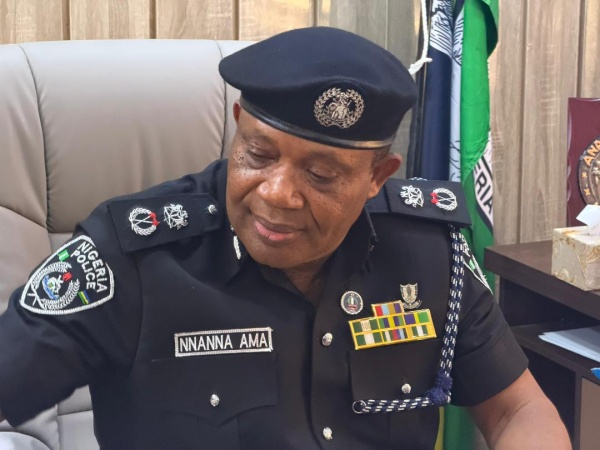
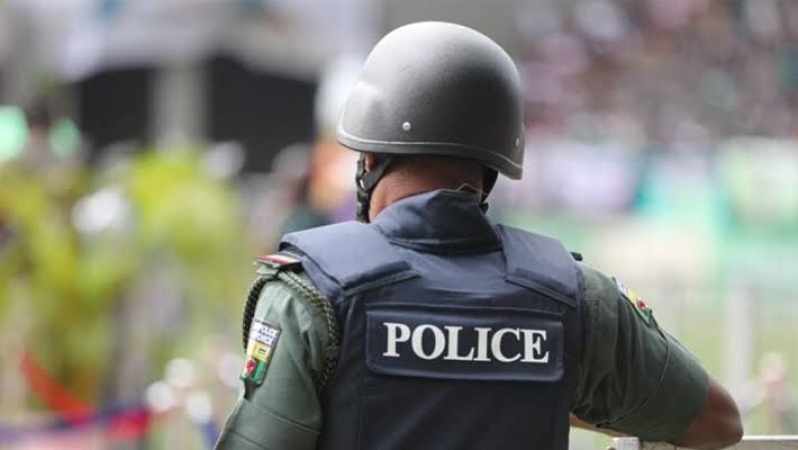
Tensions worsened when reports surfaced that the ACF national secretariat in Kaduna was sealed by personnel of the Nigeria Police ahead of a scheduled NEC meeting. The development triggered outrage among youth groups and civil society organisations, many of which described the action as interference in the affairs of an independent socio-cultural body.
The Joint Action Committee of Northern Youth Associations (JACON) condemned the police action and urged the ACF leadership to seek legal redress, alleging that the move was intended to intimidate the forum and suppress dissenting Northern voices.
The Incident added a dangerous dimension to the crisis by creating the perception of state interference in a traditionally independent Northern platform.
The internal conflict deepened further last Wednesday when the NEC, at an emergency meeting in Kaduna, announced the suspension of BoT Chairman, Bashir M. Dalhatu, over alleged financial misconduct and constitutional breaches.
Addressing journalists after the meeting, ACF National Publicity Secretary, Tukur Muhammad-Baba, said the NEC passed a vote of no confidence on Dalhatu following the presentation of a report by an Ethics and Conduct Committee established to investigate petitions relating to the organisation’s financial administration and governance structure.
According to him, preliminary findings raised serious concerns, prompting the NEC to order a comprehensive forensic audit of all ACF financial records, including its Endowment Fund, with a mandate to recover any improperly managed funds.
Muhammad-Baba also alleged that access to the ACF secretariat had been restricted ahead of the meeting, forcing delegates from about 18 Northern states and the Federal Capital Territory to relocate the session. He described the development as interference in the forum’s internal affairs.
Despite the developments, the NEC insisted the situation should not be viewed as a leadership crisis but rather as a constitutional and governance dispute. The committee reaffirmed confidence in the National Working Committee led by Mike Mamman Osuman, SAN, while retaining the Secretary-General pending constitutional review.
However, Dalhatu rejected the NEC’s action and dismissed claims of a crisis within the organisation.
In a counter-statement, he argued that the BoT had merely acted on a petition submitted by “Concerned Members,” including former Secretary-General Anthony Sani, alleging breaches of the ACF constitution by some officials.
Dalhatu explained that at a BoT meeting held on April 23, 2026, it was resolved that the tenure of certain officials who assumed office in March 2020 had expired on March 10, 2026, after completing the maximum six-year term allowed under the constitution.
He listed those affected as Senator F. Orti, Ambassador Ibrahim Mai Sule, Senator Ibrahim Ida and Secretary-General Murtala Aliyu, adding that while their positions were declared vacant, Aliyu was granted an extension until May 15 to complete handover procedures.
According to Dalhatu, the current dispute stemmed from Aliyu’s alleged refusal to vacate office and his subsequent move to convene an emergency NEC meeting aimed at overturning the BoT decision.
“The narrative of a leadership split or crisis in the ACF is entirely false. What we have is a situation involving one individual’s refusal to respect constitutional term limits,” Dalhatu stated.
He also rejected allegations of financial impropriety, maintaining that the ACF Endowment Fund is independently managed and beyond the direct control of the secretariat, NEC or BoT.
According to him, the fund is supervised by an advisory committee chaired by Ambassador Hassan Adamu and a management committee led by former Inspector-General of Police, MD Abubakar, to ensure transparency and accountability.
The crisis,according to pundits, reflects broader concerns about the direction, relevance and internal cohesion of the ACF in contemporary Northern politics.
For decades, the ACF has served as a major pressure group and consensus-building platform for Northern elites on issues of governance, security, economic development and national unity. However, critics increasingly argue that the organisation has been weakened by elite rivalries, internal divisions and a widening generational disconnect.
These divisions have become more pronounced amid growing economic pressures, insecurity and regional anxieties across the North.
Despite the tensions, many Northern stakeholders believe the crisis can still be resolved internally if all parties prioritise dialogue, constitutionalism and institutional survival over personal interests.
Political observers cautioned that a prolonged conflict could weaken the moral authority and influence of the ACF at a time when Northern Nigeria faces serious socio-economic and security challenges requiring collective leadership and strategic coordination.
There are also fears that if the dispute escalates further, rival factions could establish parallel leadership structures, thereby undermining the unity and credibility of the forum.
For now, the immediate challenge before the ACF is restoring confidence in its internal processes and demonstrating that it can manage disagreements without descending into further chaos. (Vanguard)