ADAD
ADAD
Updating your news feed...
NEWS EXPRESS is Nigeria’s leading online newspaper. Published by Africa’s international award-winning journalist, Mr. Isaac Umunna, NEWS EXPRESS is Nigeria’s first truly professional online daily newspaper. It is published from Lagos, Nigeria’s economic and media hub, and has a provision for occasional special print editions. Thanks to our vast network of sources and dedicated team of professional journalists and contributors spread across Nigeria and overseas, NEWS EXPRESS has become synonymous with newsbreaks and exclusive stories from around the world.







Loading banners
Loading banners...
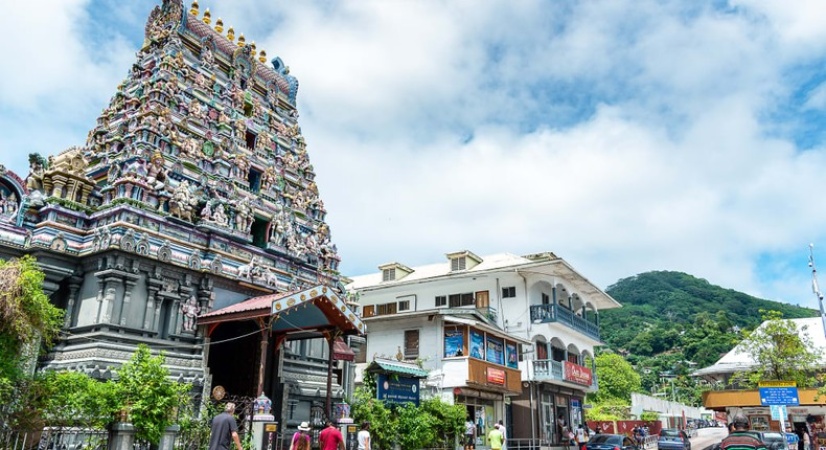
The HelloSafe Prosperity Index 2026 ranks Africa’s most prosperous nations, with Seychelles taking a clear lead at 98.09, followed by Mauritius (77.09) and Algeria (54.24).
The HelloSafe Prosperity Index 2026 ranks Africa’s most prosperous nations using a 0–100 scale based on GDP (PPP), GNI, HDI, income distribution, and poverty levels. The results highlight a strong lead by Seychelles, which tops the list with 98.09, followed by Mauritius (77.09) and Algeria (54.24).
Seychelles stands out for its high per capita income, strong human development score, and relatively balanced income distribution. Mauritius also performs strongly, ranking among the few African countries with “very high” human development. Algeria’s position is supported by relatively low income inequality.
By contrast, South Africa and Botswana rank lower due to structural inequality. Despite solid economic output, high income concentration and poverty levels continue to weigh on overall prosperity, showing the gap between wealth creation and equitable distribution across the continent.
Seychelles tops the ranking by a wide margin, reflecting its high-income status, strong tourism sector, and relatively advanced infrastructure. With a small population and consistent investment in social services, the island nation has maintained strong living standards. Its economic model, heavily driven by tourism and fisheries, has proven resilient, though it remains exposed to global travel trends and climate-related risks.
Mauritius continues to stand out as one of Africa’s most diversified and stable economies. Its success stems from a shift away from sugar dependence toward finance, tourism, and manufacturing. Strong institutions, ease of doing business, and political stability have helped the country sustain high prosperity levels, making it a benchmark for economic transformation across Africa.
Algeria ranks third, supported by its vast hydrocarbon resources, which underpin government spending and social programmes. Oil and gas revenues remain central to the economy, allowing for subsidies and infrastructure development. However, diversification challenges persist, and long-term prosperity will depend on reducing reliance on fossil fuels and expanding private sector activity.
Gabon’s high ranking reflects its oil wealth and relatively small population, which boosts per capita income. The country has also made efforts to preserve its forests and promote environmental sustainability. However, inequality and limited industrial diversification remain key challenges, with much of the economy still tied to extractive industries.
Egypt’s position highlights its economic scale and ongoing reforms aimed at stabilising growth. Large infrastructure projects and a growing population contribute to its economic dynamism. However, inflation, currency pressures, and reliance on imports continue to weigh on household prosperity, even as the government pushes for structural reforms.
Libya’s ranking reflects its oil-driven wealth, though political instability continues to limit its full economic potential. Despite vast reserves, ongoing governance challenges and security concerns have hindered development. If stability improves, Libya’s resource base could significantly boost prosperity, but current conditions keep it below its potential.
Tunisia benefits from a relatively diversified economy, including agriculture, manufacturing, and tourism. However, economic stagnation, high unemployment, and fiscal pressures have constrained growth in recent years. Structural reforms and political stability will be critical to improving long-term prosperity and reversing economic decline.
Botswana remains one of Africa’s most stable economies, driven largely by diamond exports and prudent fiscal management. Strong governance and low corruption levels have supported steady development. However, dependence on diamonds and high unemployment highlight the need for diversification into sectors like tourism, technology, and services.
Morocco’s economy is anchored by manufacturing, agriculture, and a growing renewable energy sector. The country has invested heavily in infrastructure and industrial zones, boosting exports and foreign investment. While progress is evident, income inequality and rural-urban disparities continue to shape overall prosperity outcomes.
South Africa rounds out the top 10 despite having Africa’s most industrialised economy. Persistent challenges—including high unemployment, inequality, and energy instability—continue to weigh on prosperity. While the country retains strong financial markets and infrastructure, structural reforms are needed to unlock more inclusive growth.