ADAD
ADAD
Updating your news feed...
NEWS EXPRESS is Nigeria’s leading online newspaper. Published by Africa’s international award-winning journalist, Mr. Isaac Umunna, NEWS EXPRESS is Nigeria’s first truly professional online daily newspaper. It is published from Lagos, Nigeria’s economic and media hub, and has a provision for occasional special print editions. Thanks to our vast network of sources and dedicated team of professional journalists and contributors spread across Nigeria and overseas, NEWS EXPRESS has become synonymous with newsbreaks and exclusive stories from around the world.









Loading banners
Loading banners...

The Human Rights Writers Association of Nigeria (HURIWA) has issued a comprehensive and urgent warning over what it describes as troubling early signals of inefficiency, opacity, and alleged misdirection in the operations of the South East Development Commission (SEDC). The rights group in a statement issued on Wednesday and signed by the national Coordinator, Comrade Emmanuel Onwubiko, cautioned that the Commission risks derailing from its core mandate if immediate corrective actions are not taken.
HURIWA stated that the SEDC, conceived as a strategic intervention mechanism to address decades of infrastructural deficit and socio-economic marginalisation in the South East, must not be allowed to degenerate into what stakeholders increasingly fear could become a bureaucratic entity driven by political patronage, administrative excesses, and limited developmental outcomes.
GROWING PUBLIC CONCERNS AND PERCEPTION CRISIS
The Association noted with concern that feedback from across the South East suggests a widening gap between budgetary allocations to the Commission and visible, measurable impact on the ground.
There is a growing perception among citizens, community leaders, and civil society actors that the Commission’s activities appear disproportionately tilted toward:
Conferences, seminars, and policy dialogues
Administrative engagements and travels
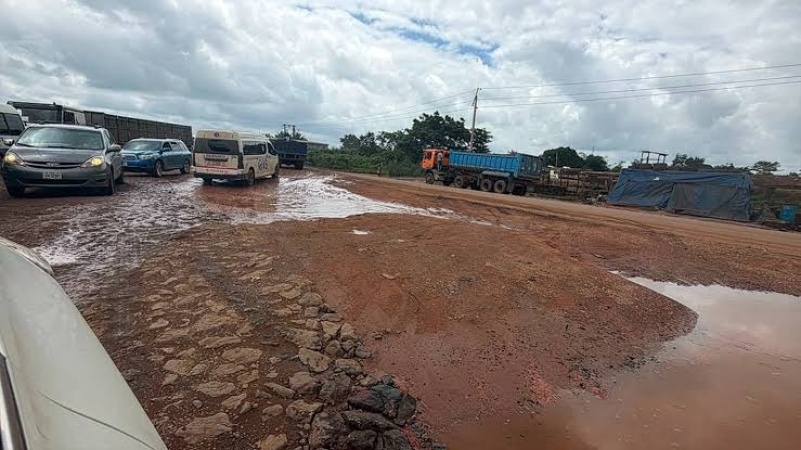
Media visibility and public relations exercises with comparatively limited evidence of tangible infrastructure projects such as healthcare centres, rural roads, water systems, and educational facilities.
HURIWA warned that this perception, whether fully accurate or not, is dangerous and capable of eroding public trust in a Commission that was widely welcomed as a long-overdue intervention for the region.
STAKEHOLDERS’ WARNINGS FROM THE SOUTH EAST
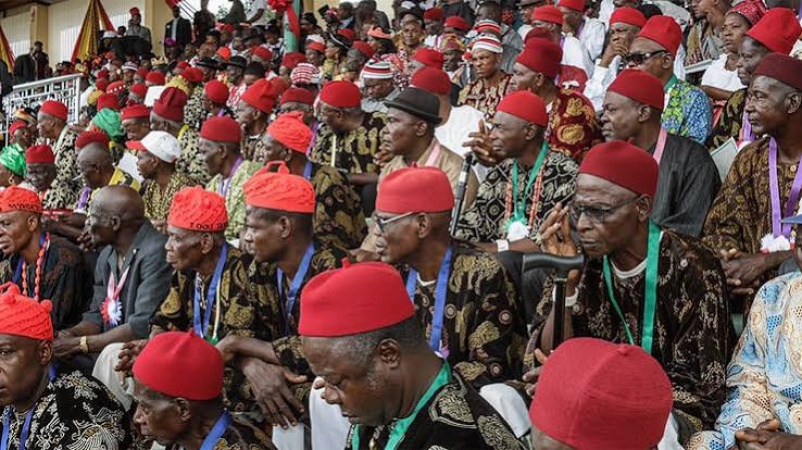
HURIWA said its position is reinforced by views expressed by respected stakeholders and groups within the region, including the Association of Igbo Town Unions (ASITU), who have cautioned that the SEDC must not become:
A “conduit for corruption”
A slush fund for political opportunists
A platform for elite capture and patronage politics.
Stakeholders have also raised fears that without strict oversight, the Commission could replicate the failures historically associated with interventionist agencies such as the Niger Delta Development Commission (NDDC), which has long struggled with issues of accountability and project delivery.
There have equally been calls for:
Non-political, technocratic leadership
Transparent project execution frameworks
Direct payment systems to contractors to eliminate middlemen and reduce corruption risks
HURIWA notes that the concerns about “disturbing silence” from the Commission regarding concrete project delivery have further fueled anxieties about early-stage dysfunction or mismanagement.
COMPARATIVE PERFORMANCE CONCERNS
HURIWA pointed to widely reported infrastructure interventions by the North East Development Commission (NEDC), including housing schemes, road construction, healthcare delivery, and educational infrastructure, as a benchmark for what a regional development body can achieve when properly structured and effectively managed.
HURIWA emphasized that this comparison is not political but highlights the urgent need for performance-driven governance, measurable outcomes, and accountability across all regional development commissions.
DEMANDS FOR URGENT INTERVENTION AND REFORMS
In light of the foregoing, HURIWA is making the following urgent demands:
1. Immediate Financial and Operational Audit
A comprehensive forensic audit of all funds allocated to and expended by the SEDC since inception.
2. Anti-Corruption Oversight
The Economic and Financial Crimes Commission (EFCC) and other relevant agencies should commence proactive scrutiny of the Commission’s financial activities.
3. Full Transparency and Public Disclosure
Publication of:
All approved projects
Contract sums and contractors
Implementation timelines and status reports.
4. Reconstitution of Governing Council
A critical review and possible reconstitution of the Commission’s governing board to ensure competence, independence, and accountability.
5. Shift to Infrastructure-Driven Spending
Immediate prioritisation of:
Healthcare facilities
Roads and rural connectivity
Water and sanitation systems
Education and skills infrastructure.
6. Institutional Reforms
Adoption of:
Results-based monitoring frameworks
Direct contractor payment systems
Independent project verification mechanisms
CALL TO REGIONAL STAKEHOLDERS
HURIWA calls on:
Traditional rulers
Religious leaders
Civil society organisations
Youth and community groups
Across the South East to actively monitor and demand accountability from the Commission, stressing that the future of the region cannot be left to opaque administrative structures.
FINAL WARNING AND POSITION
HURIWA warns that the SEDC must not become another missed opportunity in Nigeria’s development landscape. The Commission must justify its existence through visible, measurable, and people-oriented projects, not administrative activities or elite-driven engagements.
The Association reiterates that the people of the South East deserve a development agency that delivers real value—jobs, infrastructure, and economic opportunities—not one perceived to be dominated by bureaucracy and non-essential expenditures.
HURIWA concluded by stating that it will intensify civic engagement, advocacy, and legal oversight where necessary to ensure that the Commission is held accountable and aligned with its statutory mandate.