 ADAD
ADAD
Updating your news feed...
NEWS EXPRESS is Nigeria’s leading online newspaper. Published by Africa’s international award-winning journalist, Mr. Isaac Umunna, NEWS EXPRESS is Nigeria’s first truly professional online daily newspaper. It is published from Lagos, Nigeria’s economic and media hub, and has a provision for occasional special print editions. Thanks to our vast network of sources and dedicated team of professional journalists and contributors spread across Nigeria and overseas, NEWS EXPRESS has become synonymous with newsbreaks and exclusive stories from around the world.














Loading banners
Loading banners...

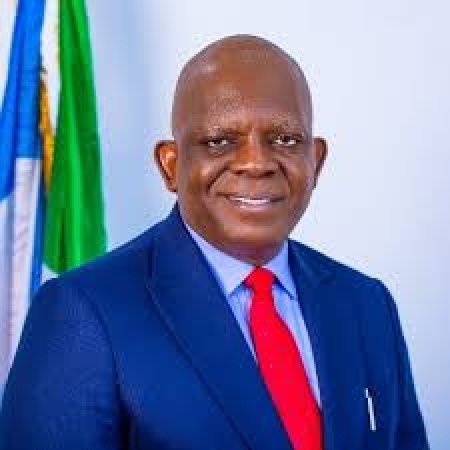
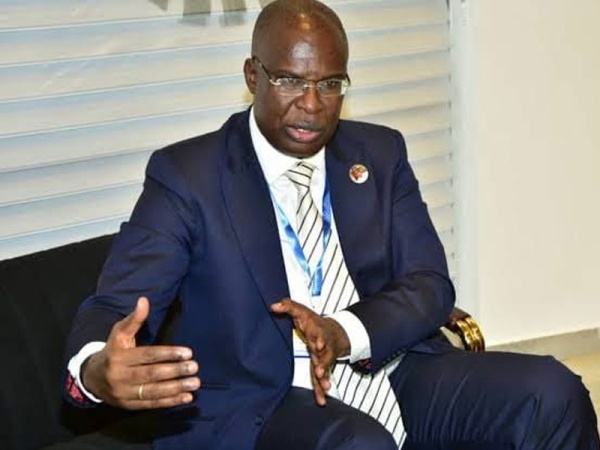
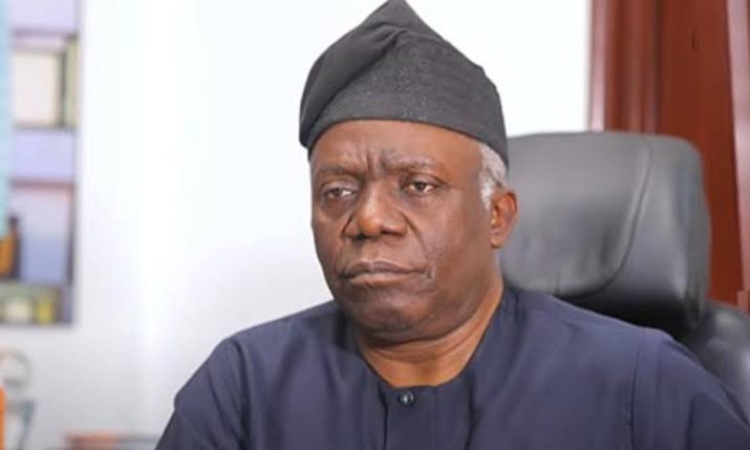
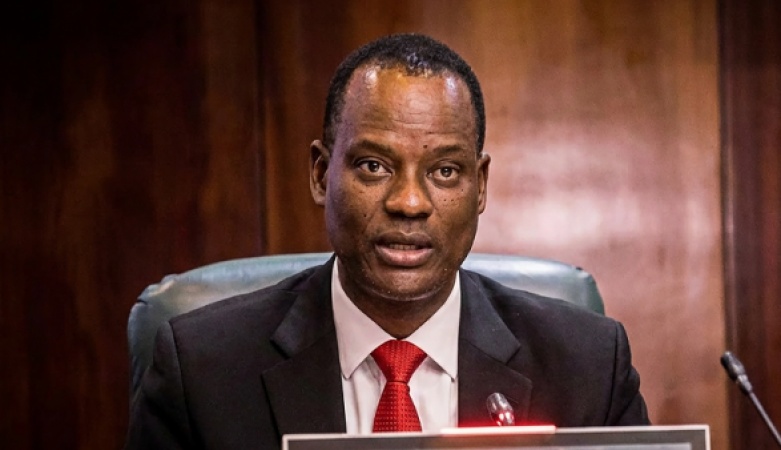
NSC Executive SecretaryCEO, Akutah Pius Ukeyima
The Executive Secretary and Chief Executive Officer of the Nigerian Shippers’ Council (NSC), Mr Akutah Pius Ukeyima, has defended the council’s recent tariff decisions, regulatory interventions, and the delayed implementation of the International Cargo Tracking Note (ICTN).
He said all actions taken by the agency are guided by law, due process, and extensive stakeholder consultations rather than external pressure or inconsistency in policy direction.
Speaking to newsmen, Akutah explained that tariff regulation is a core statutory responsibility of the council under Sections 5 and 6 of the Port Economic Regulations 2025, stressing that the NSC acted within its legal mandate in approving adjustments after years of sustained pressure from service providers who had repeatedly demanded significant increases due to rising operational costs.
He noted that for more than two and half years, no tariff review had been implemented, despite inflationary trends, increasing cost of operations, and multiple requests from industry players, some of which ranged between 150 percent and 300 percent increases, which the Council had to moderate to prevent wider economic disruption.
He maintained that tariff adjustment in the maritime sector cannot be treated as a profit-driven exercise, but as part of broader sectoral development and investment sustainability, adding that any decision should take into account key macroeconomic indicators such as inflation, GDP performance, and the potential impact on national trade.
He said the council deliberately adopted a cautious approach, given that over 80 percent of Nigeria’s trade is dependent on maritime transport, warning that excessive tariff hikes could have immediate ripple effects across the economy.
On concerns that shipping companies were introducing exploitative charges and that the regulator was merely reacting to crises, he dismissed the allegation, stating that the council did not act arbitrarily but approved a structured adjustment framework of about 35 percent, which was designed as a flexible band rather than a fixed rate.
He explained that operators were allowed to implement within an approved range, typically between 10 and 20 percent, depending on their operational realities, while cautioning that any over-implementation would distort competitiveness in the sector.
Reacting to suggestions that recent disputes in the industry signalled instability or regulatory failure, Akutah clarified that the tensions were not systemic but largely isolated to a disagreement between Mediterranean Shipping Company (MSC) and its stakeholders.
On the International Cargo Tracking Note (ICTN), Akutah acknowledged delays in implementation but attributed them to a complex web of legal disputes, court cases, and historical inconsistencies surrounding the project. He explained that the Council is currently working with the Ministry of Justice to resolve outstanding litigation involving some stakeholders before full rollout can proceed, noting that the objective is to ensure a seamless and legally sound implementation that will not be subject to further suspension.
He reaffirmed that ICTN remains critical to improving cargo security, enhancing tracking efficiency, and safeguarding national revenue but stressed that the Council must ensure all legal bottlenecks are resolved to avoid operational setbacks. (Nigerian Tribune)



