ADAD
ADAD
Updating your news feed...
NEWS EXPRESS is Nigeria’s leading online newspaper. Published by Africa’s international award-winning journalist, Mr. Isaac Umunna, NEWS EXPRESS is Nigeria’s first truly professional online daily newspaper. It is published from Lagos, Nigeria’s economic and media hub, and has a provision for occasional special print editions. Thanks to our vast network of sources and dedicated team of professional journalists and contributors spread across Nigeria and overseas, NEWS EXPRESS has become synonymous with newsbreaks and exclusive stories from around the world.
















Loading banners
Loading banners...


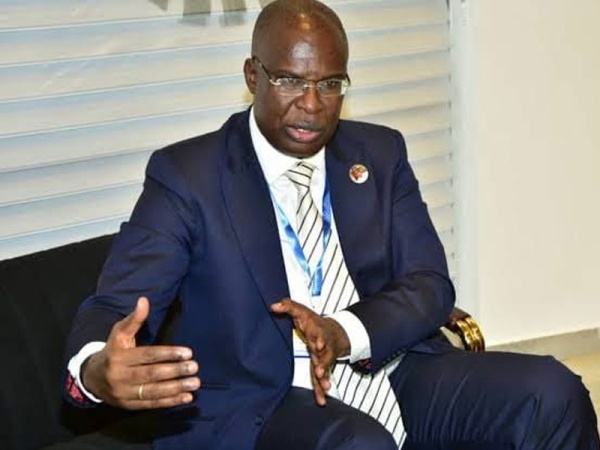
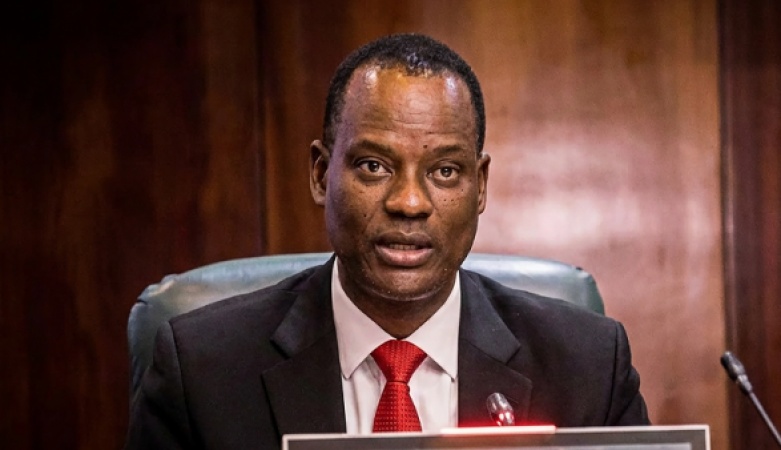
NCDC Director General, Jide Idris
The Nigeria Centre for Disease Control and Prevention has placed 10 states on high alert following forecasts of heavy rainfall and flooding, warning that the affected regions face an elevated risk of disease outbreaks, particularly cholera.
In a statement released on Wednesday, the Director-General of the NCDC, Jide Idris, said projections by the Federal Ministry of Environment and the Nigerian Meteorological Agency indicate that parts of Adamawa State, Enugu State, Kaduna State, Kogi State, Niger State, Osun State, Oyo State, Plateau State, Taraba State, and Kwara State will experience intense rainfall between April 13 and 17, 2026.
Idris said the warning comes at a critical point in Nigeria’s public health calendar, as the country enters the seasonal window when cholera cases historically surge, with early surveillance data already showing increasing infections across several states.
“These forecasts are particularly concerning because they coincide with the period when cholera transmission typically accelerates. Flooding can contaminate water sources and disrupt sanitation systems, creating conditions for rapid spread,” he said.
Data from previous outbreaks in Nigeria show that flood-prone states often record spikes in cholera cases during the rainy season, especially in communities with limited access to potable water and poor waste management systems. In recent years, thousands of suspected cases have been recorded annually during peak transmission periods, with fatalities largely linked to delayed treatment and weak health infrastructure.
Idris warned that beyond cholera, the affected states also face heightened risks of other diarrhoeal diseases and mosquito-borne infections such as malaria, which remains endemic and accounts for a significant disease burden nationwide.
“Floodwaters not only increase exposure to pathogens but also create breeding sites for mosquitoes, raising the risk of malaria and other infections,” he said.
He added that residents in the identified states may also face injuries, including drowning and snakebites, as well as disruptions in access to healthcare services, particularly in rural and underserved areas.
Despite the risks, the NCDC boss emphasised that the potential health crisis can be mitigated through early action and public compliance with preventive measures.
“These risks are largely preventable. We urge residents in the affected states to ensure they use safe water, maintain hygiene, avoid contact with floodwaters, and seek prompt medical care if symptoms develop,” Idris said.
He also called on community leaders and local authorities in the 10 states to intensify environmental sanitation efforts, including clearing blocked drainage systems and promoting hygiene awareness at the grassroots level.
“Community-level action is critical. Early reporting of suspected cases and dissemination of accurate health information will go a long way in preventing outbreaks,” he added.
On preparedness, Idris said the NCDC is working closely with state ministries of health to strengthen surveillance systems, improve readiness, and support rapid response mechanisms in high-risk areas. He noted that state governments have been advised to activate multisectoral emergency frameworks, particularly in water, sanitation, and hygiene services.
Nigeria’s recurring cycle of seasonal flooding has continued to pose significant public health challenges, driven by a combination of climate variability, rapid urbanisation, and inadequate drainage infrastructure. Analysts warn that without sustained investment in resilient systems, flood-related disease outbreaks will remain a persistent threat, particularly in vulnerable states.
As heavy rains loom over the identified regions, health authorities stress that vigilance, early intervention, and community cooperation will be critical in preventing avoidable illness and deaths. (The PUNCH, excluding headline)