
ADVERTISEMENT

ADVERTISEMENT

ADVERTISEMENT

ADVERTISEMENT

Loading banners


NEWS EXPRESS is Nigeria’s leading online newspaper. Published by Africa’s international award-winning journalist, Mr. Isaac Umunna, NEWS EXPRESS is Nigeria’s first truly professional online daily newspaper. It is published from Lagos, Nigeria’s economic and media hub, and has a provision for occasional special print editions. Thanks to our vast network of sources and dedicated team of professional journalists and contributors spread across Nigeria and overseas, NEWS EXPRESS has become synonymous with newsbreaks and exclusive stories from around the world.
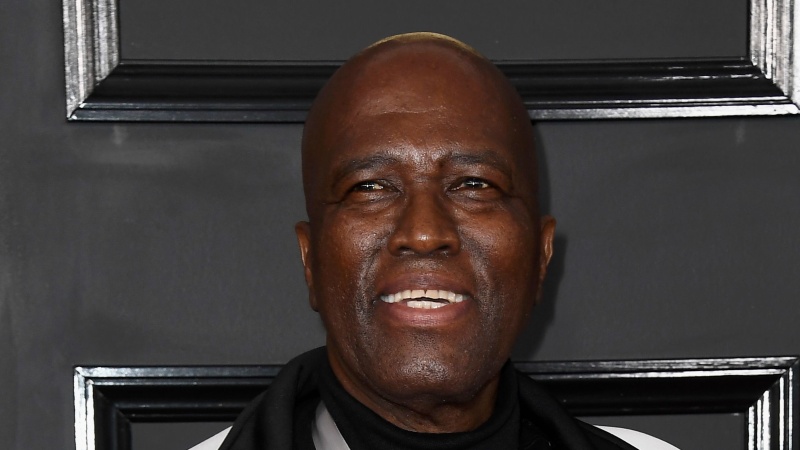
Albert Mazibuko, who sang in iconic South African group Ladysmith Black Mambazo for more than five decades, has died aged 77.
The musician's death on Sunday came after a short illness, the choral group posted on their Facebook page.
Mazibuko joined Ladysmith Black Mambazo in 1969 and the collective went on to win five Grammy awards and feature on Paul Simon's acclaimed 1986 Graceland album.
Ladysmith Black Mambazo paid tribute to Mazibuko on Monday, describing him as "kind to a fault" and a "saint" who acted as a "wise elder" for the group's younger members.
"He loved traveling the world, spreading the mission and music of Ladysmith Black Mambazo," the statement said.
"He never tired of talking about the group's history and its desire to spread 'peace, love and harmony' everywhere people had ears to listen."
Mazibuko grew up in the eastern town of uMnambithi, formally known as Ladysmith, and left school early in order to work full-time on a farm.
His cousin, Joseph Shabalala, founded Ladysmith Black Mambazo in 1960 and eventually asked Mazibuko to join.
The group fused indigenous Zulu songs and dances with South African isicathamiya, an acapella tradition frequently accompanied by a soft, shuffling style of dance.
A radio performance in 1970 led to a recording contract, and in 1973 they released Africa's first gold-selling album, Amabutho.
The group achieved global recognition after US star Paul Simon recruited them to sing on the multi-million-selling album Graceland. Simon was criticised at the time for breaking the cultural boycott of apartheid South Africa.
Culture Minister Gayton McKenzie was among those paying tribute to Mazibuko on Monday.
He said in a statement that he was "more than a performer; he was the custodian of a uniquely South African sound that travelled across the world and united people through music".
Ladysmith Black Mambazo sang songs of hope and unity during the dark decades of apartheid, when racial discrimination was legalised.
"Apartheid was very harsh to us," Mazibuko told the BBC's Soul Music show in 2015.
"I was working at a cotton factory... when we came out from work we saw the police, they were lining up," he recalled.
Mazibuko and his colleagues were asked to produce their ID books, tools used by the apartheid regime to restrict the movement of black South Africans.
"If you don't carry it, you're arrested. In my life i was so afraid of being arrested… even now I'm afraid."
He added that seeing people form "miles and miles" of queues to vote in the first post-apartheid election in 1994 was "like heaven".
The current Ladysmith Black Mambazo line-up is a mix of long-standing members and newer, younger musicians.
The outfit had been touring in the US since February and were due to play their last stateside show on Friday. (BBC)
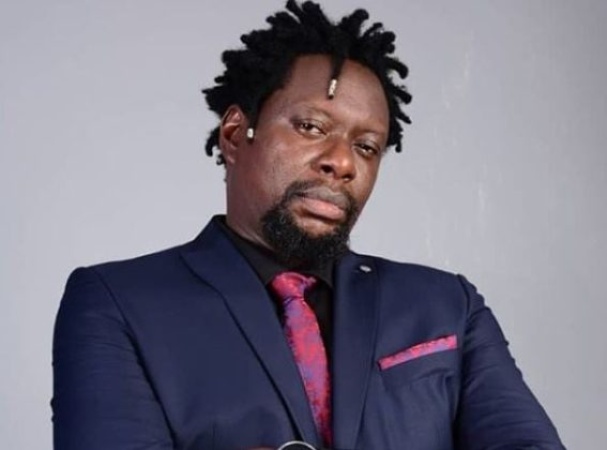
• Albert Mazibuko loved travelling the world, spreading Ladysmith Black Mambazo's music, the group said. Photo credit: BBC


