ADAD
ADAD
Updating your news feed...
NEWS EXPRESS is Nigeria’s leading online newspaper. Published by Africa’s international award-winning journalist, Mr. Isaac Umunna, NEWS EXPRESS is Nigeria’s first truly professional online daily newspaper. It is published from Lagos, Nigeria’s economic and media hub, and has a provision for occasional special print editions. Thanks to our vast network of sources and dedicated team of professional journalists and contributors spread across Nigeria and overseas, NEWS EXPRESS has become synonymous with newsbreaks and exclusive stories from around the world.
























Loading banners
Loading banners...

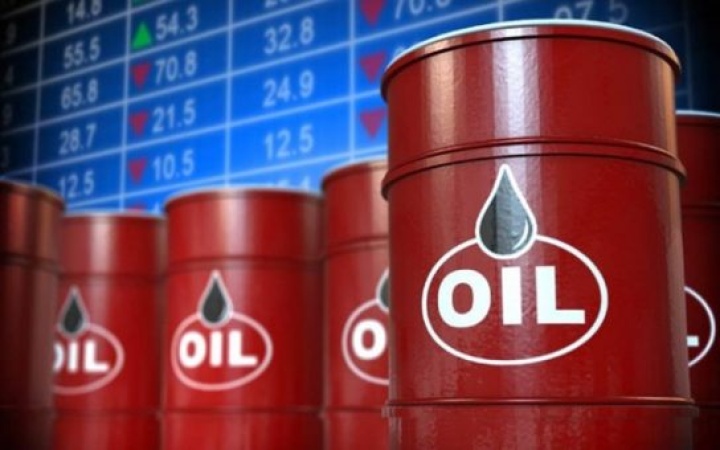
Brent crude jumped to $118.2 per barrel yesterday while WTI rose to $102.5, leaving an unusually wide gap between the two benchmarks as the market reacted to fresh rhetoric around the Strait of Hormuz and the growing risk to fuel flows outside the United States.
The rise was triggered by a social media post from President Donald Trump urging countries struggling to secure jet fuel because of the Strait of Hormuz disruption to buy from the U.S. or go to the Strait and “take it” themselves.
“…The U.S.A. won’t be there to help you anymore, just like you weren’t there for us. Iran has been, essentially, decimated. The hard part is done. Go get your own oil!” Trump quipped on Truth Social yesterday.
Reuters reported that the Iran war and the closure of Hormuz are driving the sharpest upward revision to annual oil price forecasts on record in its survey.
Brent crude is the waterborne benchmark. It prices the barrels most exposed to disruption in global seaborne trade.
Hormuz normally carries about a 20 per cent of global oil and LNG trade, and Europe has now been warned by the European Commission to prepare for prolonged disruption, with jet fuel and diesel seen as especially vulnerable.
That is a direct bullish signal for Brent and for refined product pricing linked to Atlantic Basin and international cargo markets.
But the dynamic is different for WTI. It is inland, U.S.-anchored, and far less exposed to immediate Strait logistics.
Trump’s message to countries that cannot get fuel from the Gulf that they can get it from the US instead paints the picture that the US serves as a plentiful source of barrels and products.
In other words, while the global market is getting choppier, domestic U.S. supply looks better covered, relatively speaking. This dynamic blows out the transatlantic spread.
U.S. crude oil is still up sharply for March overall, but it is underperforming Brent as the Middle East shock increasingly prices the seaborne supply problem first. (The Nation)