
ADVERTISEMENT

ADVERTISEMENT

ADVERTISEMENT

ADVERTISEMENT













Loading banners


NEWS EXPRESS is Nigeria’s leading online newspaper. Published by Africa’s international award-winning journalist, Mr. Isaac Umunna, NEWS EXPRESS is Nigeria’s first truly professional online daily newspaper. It is published from Lagos, Nigeria’s economic and media hub, and has a provision for occasional special print editions. Thanks to our vast network of sources and dedicated team of professional journalists and contributors spread across Nigeria and overseas, NEWS EXPRESS has become synonymous with newsbreaks and exclusive stories from around the world.
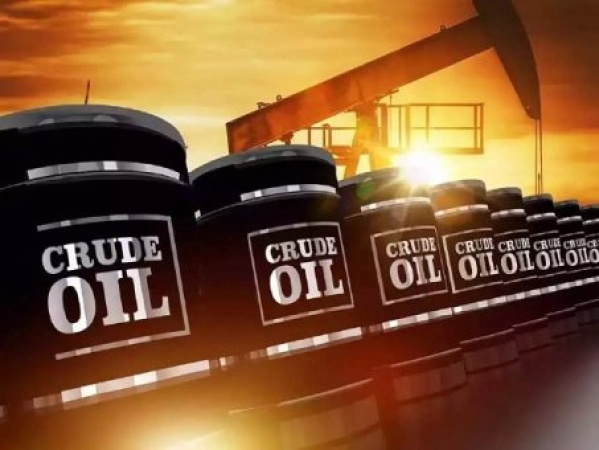
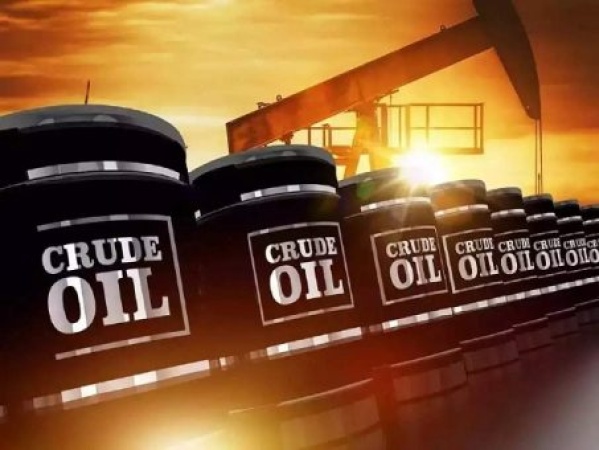
Oil drums depicting global energy supply dynamics
The Middle East continues to anchor the global oil market, holding some of the largest proven crude reserves on earth. For decades, the region’s production capacity has shaped international energy prices, influenced trade flows, and defined geopolitical strategy. Within this energy powerhouse, seven countries stand out for their scale, output, and strategic importance.
1. Saudi Arabia
Saudi Arabia remains the world’s top oil exporter and a central figure within Organization of the Petroleum Exporting Countries. Its vast reserves—largely concentrated in the Eastern Province—enable the kingdom to act as a key stabilizer in global oil markets. While petroleum revenues still dominate, Riyadh is advancing economic diversification through its Vision 2030 programme, targeting growth in tourism, technology, and renewable energy.
2. United Arab Emirates
The United Arab Emirates, particularly Abu Dhabi, holds substantial crude reserves that have fueled rapid economic expansion. In recent years, the federation has accelerated investments in clean energy, infrastructure, and tourism, positioning itself as a diversified economic hub beyond hydrocarbons.
3. Iraq
Iraq possesses some of the region’s largest oil reserves, with output concentrated in the southern region around Basra. Oil exports account for the bulk of government revenue, making the sector critical to national recovery and fiscal stability. Despite infrastructure constraints and a history of conflict, Iraq continues to scale up production and attract foreign investment.
4. Kuwait
Kuwait is notable for its high oil output relative to population size. Its energy wealth is anchored by the Burgan Field—one of the largest oil fields globally. Hydrocarbon revenues have underwritten extensive public services, infrastructure development, and long-term economic planning.
5. Qatar
Although best known for its dominance in natural gas, Qatar also maintains a strong presence in crude oil production. Earnings from hydrocarbons have enabled Doha to invest heavily in infrastructure, education, and global business ventures, reinforcing its influence on the international stage.
6. Iran
Iran holds vast reserves of both oil and natural gas, with major deposits in Khuzestan Province and offshore in the Persian Gulf. While international sanctions have constrained export volumes, Iran remains a key player in global energy dynamics due to the scale of its resources.
7. Oman
Oman, though producing less oil than its Gulf peers, plays a meaningful role in regional supply. The country has focused on improving extraction efficiency, encouraging foreign investment, and expanding non-oil sectors to strengthen long-term economic resilience. (The Nation)


