Updating your news feed...
NEWS EXPRESS is Nigeria’s leading online newspaper. Published by Africa’s international award-winning journalist, Mr. Isaac Umunna, NEWS EXPRESS is Nigeria’s first truly professional online daily newspaper. It is published from Lagos, Nigeria’s economic and media hub, and has a provision for occasional special print editions. Thanks to our vast network of sources and dedicated team of professional journalists and contributors spread across Nigeria and overseas, NEWS EXPRESS has become synonymous with newsbreaks and exclusive stories from around the world.

























Loading banners
Loading banners...

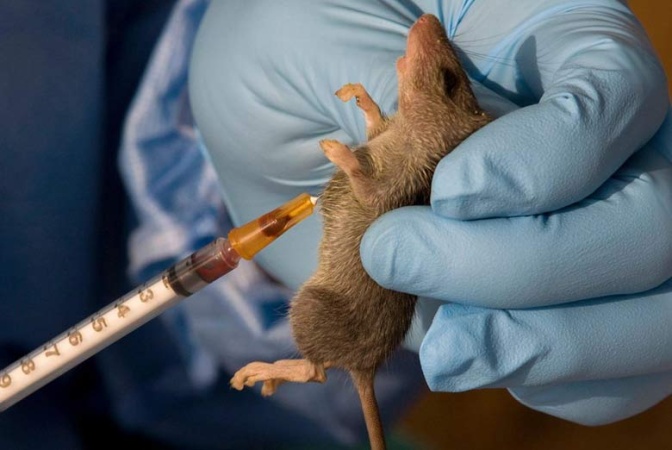
FILE PHOTO: A photo illustrating Lassa fever
No fewer than 99 Nigerians have died as a result of Lassa fever in the first eight weeks of 2026 according to official data obtained from the Nigeria Centre for Disease Control and Prevention.
Deaths recorded so far in the first eight weeks of 2026 surpass the number of deaths reported during the same period in 2025.
Already, figures of suspected cases stand at 1,989 across 67 Local Government Areas in 18 states of the federation.
According to the NCDC, 84% of all confirmed Lassa fever cases were reported from five states, namely Bauchi, Ondo, Taraba, Edo and Benue.
The NCDC also noted that ten new health workers were newly affected in the eight weeks of 2026, bringing the total of health workers affected by the disease to 28, a greater figure than that which was reported in 2025.
Lassa fever is an animal-borne (zoonotic) acute viral illness spread by the common African rat, also known as the Mastomys rat species. It is endemic in Nigeria and several other West African countries.
Since the major outbreak of the disease in 2016, there has been an increase in recurring cases.
According to the World Health Organisation, Lassa fever is an acute viral haemorrhagic illness caused by the Lassa virus, a member of the arenavirus family.
Humans typically become infected through exposure to food or household items contaminated with the urine or faeces of infected Mastomys rats.
The disease remains endemic in rodent populations in parts of West Africa.
Lassa fever is known to be endemic in Benin, Ghana, Guinea, Liberia, Mali, Sierra Leone, Togo and Nigeria, and it likely exists in other West African countries as well.
On efforts so far undertaken, the NCDC said, “It held a national press briefing on the disease, disseminated updated IPC guidelines and activated the incident management system for Lassa fever in Kebbi, Kano and Gombe states.
“Conducted high-level field missions to Bauchi state and held quality data meetings with high burden states.”
While listing some of its challenges, the NCDC blamed late presentation of cases, poor health-seeking behaviour by patients due to the high cost of treatment, and poor environmental sanitation conditions in high-burdened areas. (The PUNCH)