
Updating your news feed...
NEWS EXPRESS is Nigeria’s leading online newspaper. Published by Africa’s international award-winning journalist, Mr. Isaac Umunna, NEWS EXPRESS is Nigeria’s first truly professional online daily newspaper. It is published from Lagos, Nigeria’s economic and media hub, and has a provision for occasional special print editions. Thanks to our vast network of sources and dedicated team of professional journalists and contributors spread across Nigeria and overseas, NEWS EXPRESS has become synonymous with newsbreaks and exclusive stories from around the world.
.webp)












.webp)






Loading banners
Loading banners...


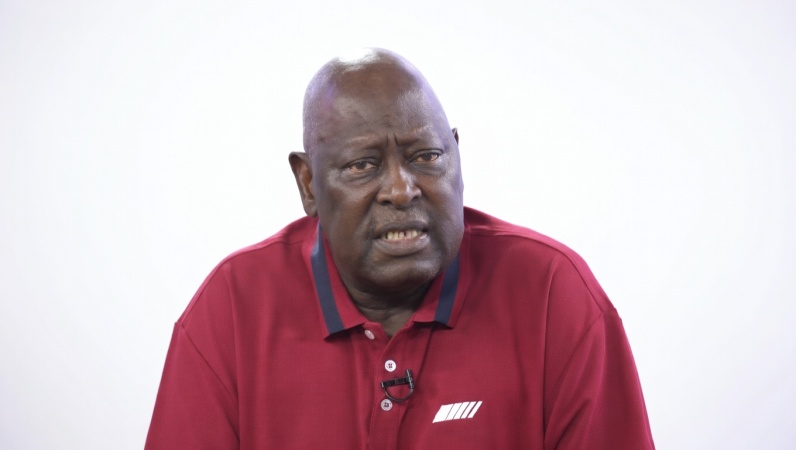
Consultant Oncologist, Dr Adebayo Oladeji
By CHIDINMA EWUNONU-ALUKO
An Oncologist, Dr Adebayo Oladeji, on Wednesday, underscored the urgent need to strengthen nationwide screening for cancer, in a bid to enhance early detection and management.
Oladeji, who is a Consultant Radiation and Clinical Oncologist at the University College Hospital (UCH) Ibadan, made this known in a separate interview with the News Agency of Nigeria (NAN), following commemoration of World Cancer Day.
According to him, early detection of the disease through screening, could save an individual.
“Cancer is not always a death sentence; early detection saves lives,” he said.
NAN reports that World Cancer Day is a global awareness day, organised by the Union of International Cancer Control (UICC) every Feb 4, to raise awareness of cancer, and to encourage its prevention, detection, and treatment.
The 2026 campaign focuses on the theme “United by Unique” to highlight personalised care.
Oladeji harped on the need for Nigeria to expand a decentralised cancer care, invest in radiotherapy, pathology, diagnostic services, integrate palliative care at all levels, to reduce financial barriers through improved insurance coverage and public funding.
According to him, collective action today, will lead to fewer late-stage diagnoses, better survival outcomes and reduced sufferings, adding that cancer incidence in Nigeria is steadily rising in both adults and children.
He noted that this increase is driven by population growth, increasing life expectancy, lifestyle changes, environmental exposures, and improving diagnostic capacity.
He expressed concern that most patients present themselves late and often with advanced disease, which he said significantly reduces chances of survival and increases cost and complexity of care.
Oladeji said that the Federal Ministry of Health established the National Cancer Control Programme (NCCP), and is upgrading oncology services in selected federal teaching hospitals across the geopolitical zones, including UCH, Ibadan.
He added that Initiatives such as the Cancer Access Partnership (CAP) and Cancer Health Fund (CHF) are improving access to chemotherapy, hormonal therapy, and selected targeted treatments.
“UCH is one of Nigeria’s leading centres of excellence for cancer care, with a full multidisciplinary team covering the entire cancer care pathway, from screening and diagnosis to treatment and follow-up.
“This includes pathologists, radiologists, surgical oncologists, gynaecologic oncologists, haematologist-oncologists, medical oncologists, radiation and clinical oncologists, and psycho-oncologists.
“UCH is the first and currently the only centre in West Africa offering High-Dose-Rate (HDR) brachytherapy for prostate cancer, a highly specialised form of radiotherapy.
“Despite these strengths, significant gaps remain, particularly in radiotherapy equipment availability and capacity.
“While progress has been made, facilities and resources remain insufficient to meet the growing cancer burden; many Nigerians still travel long distances or experience long waiting times for diagnosis and treatment,” he said.
According to him, although government plans to leverage the six cancer centres to expand screening across all geopolitical zones, routine screening access remains limited for many Nigerians.
While expressing concerns that cancer care is still largely funded out-of-pocket by patients, he noted that late diagnosis combined with inequitable access to affordable, quality cancer care, also posed a challenge.
“Nigeria’s National Cancer Control Plan recognises palliative care as a core pillar, but implementation has been suboptimal, with services concentrated mainly in tertiary centres.
“Ongoing advocacy continues for the integration of palliative care at all levels of the health system, from primary to tertiary care,” he said
Meanwhile, he noted that cancer risk could be significantly reduced through evidence-based measures like avoiding tobacco, limiting alcohol consumption, maintaining a healthy weight, and eating a balanced diet rich in fruits and vegetables.
Among others, he also advised people to engage in regular physical activity, HPV vaccination and safe sexual practices for cervical cancer prevention.
“People should always participate in age-appropriate cancer screening (breast, cervical, prostate), avoid excessive sun exposure. Particularly among people with albinism, and limit exposure to known carcinogens.,” he said (NAN)