Updating your news feed...
NEWS EXPRESS is Nigeria’s leading online newspaper. Published by Africa’s international award-winning journalist, Mr. Isaac Umunna, NEWS EXPRESS is Nigeria’s first truly professional online daily newspaper. It is published from Lagos, Nigeria’s economic and media hub, and has a provision for occasional special print editions. Thanks to our vast network of sources and dedicated team of professional journalists and contributors spread across Nigeria and overseas, NEWS EXPRESS has become synonymous with newsbreaks and exclusive stories from around the world.







Loading banners
Loading banners...
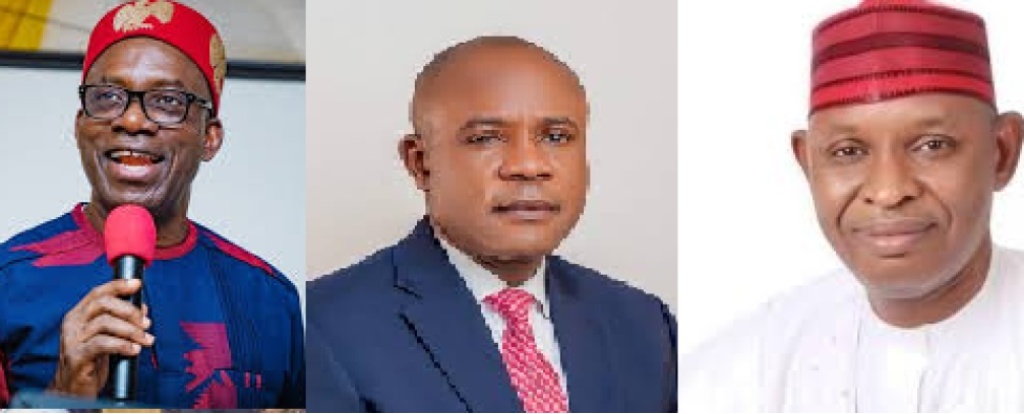
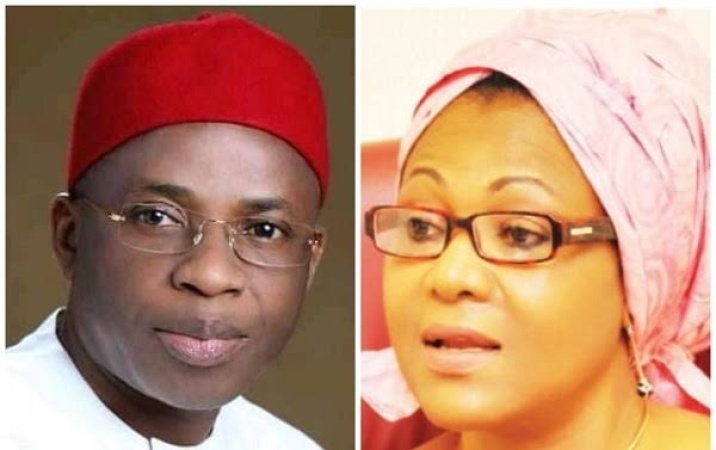
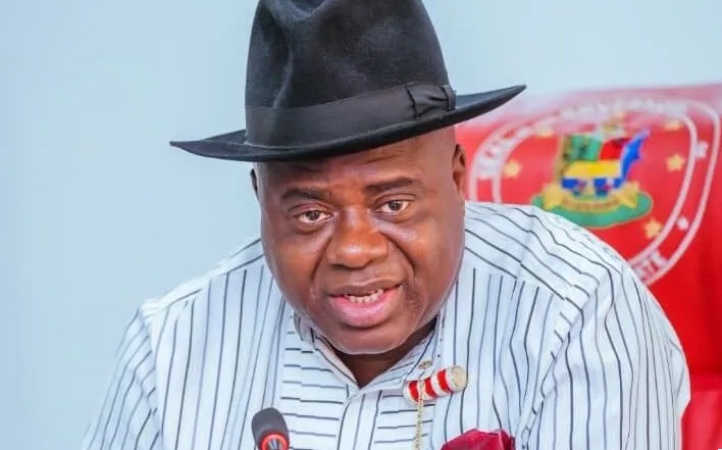
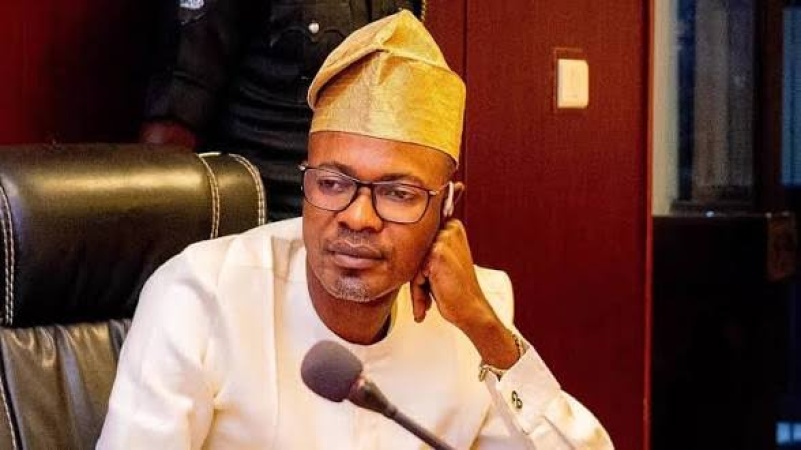
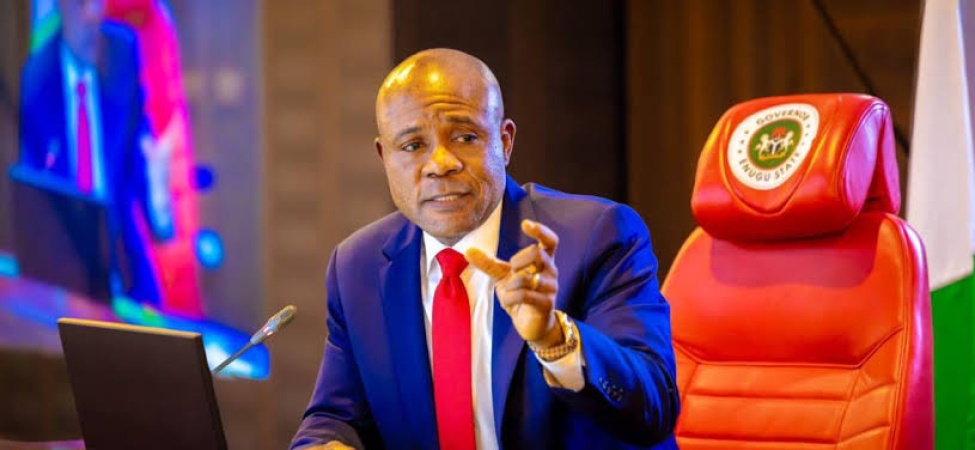
Photo combo of Govs Soludo, Mbah and Yusuf of Anambra, Enugu and Kano States, respectively
Anambra State leads the pack with an allocation of N757 billion (46.9 percent) to education. Enugu follows, with an allocation of N522 billion (32.3 percent), while Kano State earmarked N405.3 billion (30 percent) of its N1.368 trillion for 2026.
Similarly, Abia State allocated N203.2 billion (20 percent), Jigawa earmarked N234.48 billion (26 percent of its 2026 budget), while Taraba State devoted N131.6 billion (20 percent) to education.
While Kaduna allotted N985.9 billion (25 percent) to education, Oyo devoted N155.21 billion (17.40 percent), as Bauchi earmarked N131.71 billion (15 percent.
Also, Ondo earmarked N77.024 billion (15 percent), while Sokoto budgeted N115.9 billion (15 percent) to education.
Nevertheless, several states fell below the UNESCO recommended benchmark, such as Niger State, which allocated N107.9 billion (8.24 percent), and Gombe, which earmarked N49.482 billion (8.01 percent).
Adamawa earmarked N40 billion out of its N583 billion total budget (6.86 percent); Bayelsa budgeted N75.1 billion of N1.01 trillion (7.43 percent), with Delta devoting N105.086 billion of N1.72 trillion (6.11 percent) to education.
Similarly, Zamfara allocated N65 billion, which is 7.55 percent of its total budget, while Lagos earmarked N249.13 billion (5.87 percent) out of its N4.237 trillion budget proposal.
Despite the sizeable budgetary allocations made by several states, effective implementation continues to lag behind.
A BudgIT report shows that Yobe State spent N53.83 billion on education in 2022, achieving an 89.40 percent performance rate and per capita spending of N4,293.
In 2023, the state allocated N20.47 billion to the sector, recording 84.81 percent performance and N4,863 per capita spending. By 2024, education expenditure had risen to N32.78 billion, with performance standing at 84.38 percent.
Taraba State’s education spending stood at N14.81 billion in 2022, reflecting a 55.99 percent performance rate and per capita spending of N4,058. In 2023, allocations increased slightly to N15.49 billion, but performance declined to 36.95 percent, with per capita spending of N4,123. The trend worsened in 2024, as spending rose to N20.08 billion while performance dropped to 22.00 percent, despite per capita spending increasing to N5,192.
In Abia State, education expenditure in 2022 was N4.38 billion, representing a 20.29 percent performance and N999 per capita spending. The figure rose marginally in 2023 to N4.88 billion, with performance improving to 28.30 percent and per capita spending at N1,085. A sharp increase was recorded in 2024, when the state spent N71.5 billion on education, achieving 62.20 percent performance and N15,458 per capita spending.
Anambra State recorded N5.98 billion in education spending in 2022, translating to a 54.57 percent performance rate and N914 per capita spending. In 2023, expenditure jumped to N30.88 billion, with performance at 56.49 percent and per capita spending of N4,592. By 2024, spending declined to N15.85 billion, though performance improved to 61.90 percent, with per capita spending at N2,292.
Lagos State spent N134.31 billion on education in 2022, achieving a 72.84 percent performance rate and N8,832 per capita spending. In 2023, spending rose slightly to N135.15 billion, with performance improving to 85.66 percent and per capita spending of N8,607. In 2024, allocations fell to N127.49 billion, while performance stood at 79.99 percent and per capita spending declined to N7,864.
Ogun State allocated N41.21 billion to education in 2022, recording a 73.30 percent performance rate and N6,479 per capita spending. In 2023, spending increased to N46.57 billion, though performance slipped to 66.93 percent, with per capita spending at N7,085. By 2024, education expenditure rose further to N58.25 billion, but performance dropped to 56.90 percent, even as per capita spending increased to N8,574.
Over the years, persistent underfunding of the education sector, coupled with poorly paid teachers and inadequate teaching facilities, has continued to undermine efforts to expand the system and ensure equitable access to quality learning outcomes.
Notably, Nigeria’s national education budget allocation has failed to exceed 10 percent for more than eight consecutive years.
Education remains a cornerstone of sustainable national development and is central to the advancement of any country’s socio-economic system.
Innocent Okwuosa, the 59th president of the Institute of Chartered Accountants of Nigeria (ICAN), has called for improved education standards as a strategy to curb brain drain.
According to him, adequate funding of education would raise learning standards, attract international students to Nigerian institutions, and boost foreign exchange inflows.
“Proper funding of education will improve the standard of learning, and lead to having students from other countries coming to study in Nigeria,” he said.
“There was a time when students from other countries came to study in Nigeria,” he recalled.
Similarly, Kingsley Moghalu, president of the Institute for Governance and Economic Transformation, stressed that inadequate financing remains a major factor eroding education quality and limiting capacity-building in the country.
He said the sector urgently needs increased funding supported by transparent and objective financing guidelines that are insulated from political interference.
Moghalu also emphasised the importance of diversifying education funding sources beyond government allocations by encouraging greater private sector participation. (BusinessDay)