Updating your news feed...

NEWS EXPRESS is Nigeria’s leading online newspaper. Published by Africa’s international award-winning journalist, Mr. Isaac Umunna, NEWS EXPRESS is Nigeria’s first truly professional online daily newspaper. It is published from Lagos, Nigeria’s economic and media hub, and has a provision for occasional special print editions. Thanks to our vast network of sources and dedicated team of professional journalists and contributors spread across Nigeria and overseas, NEWS EXPRESS has become synonymous with newsbreaks and exclusive stories from around the world.








Loading banners
Loading banners...


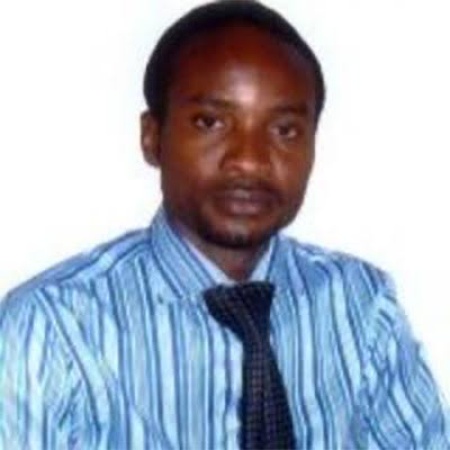
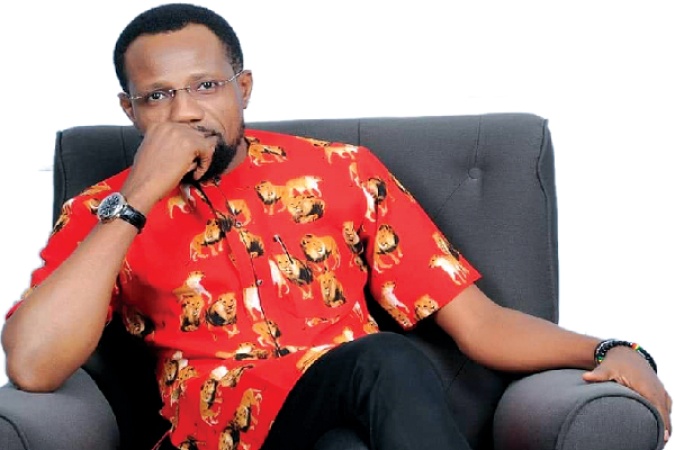
Obiotika Wilfred Toochukwu
By OBIOTIKA WILFRED TOOCHUKWU
As we moved towards the end of year 2025 and into 2026, so many Nigerians found themselves moving out of the frying pan into fire. Some have come to the end of the road due to the persistent hike in the price of living accommodations. From Lagos, Abuja and Awka, most rented apartments that stood in the width of N300,000 have skyrocketed to N700,000. And rents previously pegged at N700,000 have climbed sharply into the N2 million naira range. It could be the end of the road for so many citizens. For many families, the dream of urban life is gradually slipping into impossibility. Conversations in markets, offices, church meetings, and public parks now revolve around a single theme: “How do we survive?”
Many households, weary from rising rent and stagnant income, are planning to return to their villages after the yuletide. For some, it is a temporary escape; for others, it is a permanent retreat. The truth is simple—Nigeria’s economic hardship has pressed heavily on the shoulders of her citizens. Young people, especially those unable to secure opportunities abroad, now fight daily battles against financial discouragement and emotional fatigue. Yet, paradoxically, the younger generation—the Gen Zs or Zoomers—also stand out with a new kind of hunger. They want steady progress, stable salaries, and real opportunities. They want dignity. They want a Nigeria that works—not for a few, but for all. Their voices, loud and unbroken, echo across social media platforms, workplaces, and political spaces. They are demanding the Nigeria their parents dreamed of but never fully saw. The Christmas and yuletide period, especially in Igbo and Southern Nigeria, is traditionally a time of celebration—family reunions, cultural festivals, weddings, dedications, and homecomings. But the festive season in 2025 carries a different tone. The harmattan has arrived earlier and harsher than usual. The dry winds bring not just cracked lips and dusty roads, but a fresh wave of expenses: skincare, warm clothing, more transport costs, and increased food prices.
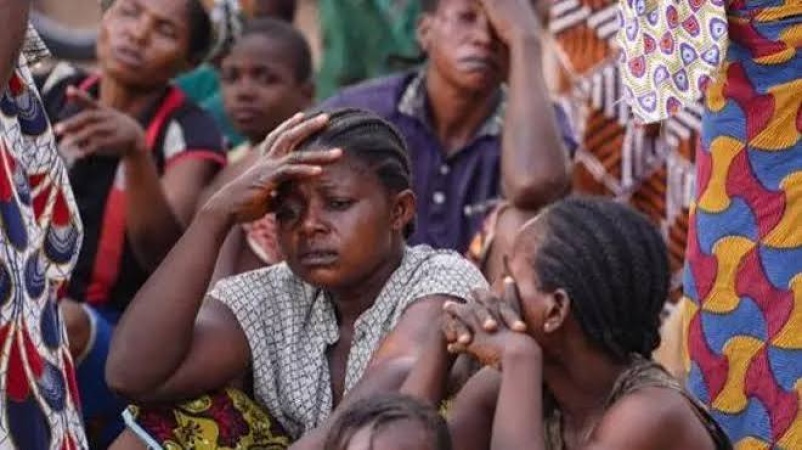
Sadly, many vulnerable Nigerians—sick elderly people, young men and women battling chronic illnesses, and families with little means—feel abandoned by a system collapsing under the weight of insecurity and inflation. Many cannot afford proper medical care. Many cannot afford the luxury of celebrating. Survival has replaced festivity. In addition, thousands of youths who took loans from digital lending apps now live under the constant pressure of repayment. Some are fielding daily calls from loan agents—calls that drain their mental health and rob them of peace. For these young people, the promise of a bright future seems distant. At the national level, public trust in leadership continues to dwindle. Not necessarily because staple food prices have come down—rice, garri, tomatoes, onions—but because lives continue to be lost unjustly. Kidnapping, killings, and banditry have become daily headlines. The recent abduction of 25 female students in Kebbi is a heartbreaking example of the insecurity tormenting the nation. Many religious leaders feel intimidated, while others press ahead, preparing grand end-of-year programs to rekindle hope.
But in the middle of all this darkness, one truth remains: Nigeria has not reached her end. It is easy in times like this to point fingers—to blame the government, to blame leaders, to blame ourselves. But blame has never built a nation. Blame has never healed a wound. Blame has never lifted a man from poverty. Nigeria’s history has always shown one pattern: when things get tough, Nigerians become tougher. This is not the first time we have walked through fire. This is not the first time we have seen gloom before glory. This is not the first season where the future looked blocked, yet the nation moved forward. What Nigeria needs now is not a nation-wide choir of self-accusation. What we need is a collective return to courage, innovation, unity, and strong faith. We need to believe again—believe that our hands can still build, that our voice can still matter, and that our votes in the 2027 General Elections can redirect the ship of this nation.
We must also remember something profound: Nations rise when individuals stop waiting for rescue and start taking responsibility for the little corners they can influence. Hope may feel thin, but it is not absent. The Nigerian spirit is too rugged to be defeated by one cycle of hardship. Across cities, states, and local communities, the signs of a new awakening are emerging: As 2027 approaches, a new political consciousness is rising. Nigerians now know that leadership matters—more than tribe, more than party, more than slogans. And because of this awareness, a new Nigeria is not just a dream—it is a growing possibility. Hope is not a feeling; it is a discipline. It is the daily decision to believe that your life, your family, and your country can still change for the better. Yes, 2025 has been difficult. Yes, the burden is heavy. But storms have never stopped Nigerians from rising again.
Let us enter the yuletide season with renewed strength—not because things are perfect, but because Nigeria is still a land of possibilities. Let us prepare for 2026 with fresh vision—not fear. And let us move toward 2027 with courage—not despair.
•Obiotika Wilfred Toochukwu writes from Living Grace Restoration Assembly Inc., Nkono-Ekwulobia Anambra State.