Updating your news feed...
NEWS EXPRESS is Nigeria’s leading online newspaper. Published by Africa’s international award-winning journalist, Mr. Isaac Umunna, NEWS EXPRESS is Nigeria’s first truly professional online daily newspaper. It is published from Lagos, Nigeria’s economic and media hub, and has a provision for occasional special print editions. Thanks to our vast network of sources and dedicated team of professional journalists and contributors spread across Nigeria and overseas, NEWS EXPRESS has become synonymous with newsbreaks and exclusive stories from around the world.













Loading banners
Loading banners...

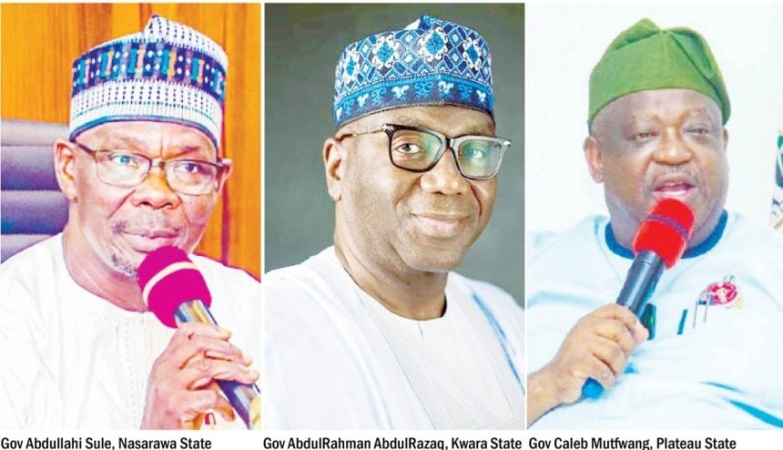
As Nigeria commences the implementation of its new tax laws, a fresh wave of fiscal reforms is gaining momentum across the North-Central region, with Plateau, Kogi, Nasarawa and Kwara states taking legislative steps to domesticate the reforms and strengthen their revenue frameworks.
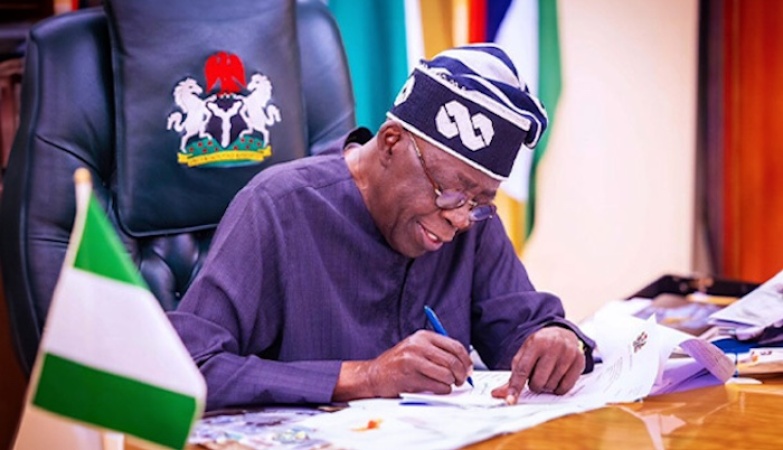
Separate statements shared by the Joint Revenue Board noted that the moves, driven by newly enacted laws and executive assents, are aimed at boosting internally generated revenue, improving financial autonomy, and creating a more transparent, predictable and business-friendly tax environment in line with the national tax reform agenda of President Bola Tinubu.
In Plateau, Governor Caleb Mutfwang, on December 31, 2025, signed into law the Plateau State Harmonised Taxes and Levies (Approved List for Collection) Law. The legislation represents a milestone in the state’s revenue reform efforts, introducing a clearer and more coordinated framework for tax and levy collection. Officials say the law will help eliminate duplication, reduce leakages and support funding for critical infrastructure and social services.
Nasarawa has also taken decisive steps towards modernising its fiscal system. Governor Abdullahi Sule signed into law the Nasarawa State Revenue Administration Law 2025 alongside the Harmonised Taxes and Levies Law 2025. The legislation establishes a unified and transparent system for administering both tax and non-tax revenues in the state, clearly defining approved levies and strengthening institutional oversight.
According to government sources, the reforms are designed to address long-standing challenges associated with fragmented revenue practices, multiple taxation and inconsistent enforcement. Beyond improving coordination among revenue agencies, the laws are expected to enhance transparency, curb arbitrary collections and restore public confidence in revenue institutions. They are also projected to support investment and economic activity, particularly among small and medium-scale enterprises.
Similarly, Kogi joined the reform drive on January 1, 2026, when Governor Ahmed Usman Ododo assented to the Kogi State Internal Revenue Service (Establishment) Law 2025 and the Kogi State Taxes and Levies (Approved List for Collection) Law 2025. The laws provide a legal and institutional foundation for a more efficient and professional revenue service, while aligning tax collection practices with national standards.
Although Kwara was not detailed in individual legislative actions, it is among the North-Central states identified as moving to domesticate the tax reforms, reinforcing the region’s collective commitment to modernising sub-national revenue administration.
Analysts note that the new laws across the states reflect a broader shift away from outdated and fragmented collection methods toward a harmonised, technology-driven and people-centred tax framework. Key provisions of the reforms include the harmonisation of sub-national taxes into nine approved tax types, the outlawing of roadblocks for tax and levy collection, and measures to improve certainty, fairness and efficiency in the system.
Beyond administrative gains, the reforms are expected to enhance transparency, reduce arbitrary and illegal collections, and promote a more predictable operating environment for businesses. Small and medium-sized enterprises, often the most affected by multiple taxation, are projected to benefit significantly from the streamlined framework.
The growing legislative momentum around harmonised taxes and levies laws underscores a shared commitment among state governments to entrench consistency and order in revenue administration. Observers say this alignment with federal reforms signals a new phase in Nigeria’s fiscal governance, where states are increasingly positioning themselves to generate sustainable revenue while supporting Nigeria’s economic growth and development.
Overall, the domestication of the new tax laws by Plateau, Kogi, Nasarawa and Kwara States marks a significant step in the implementation of tax reform agenda, with expectations that the reforms will translate into improved public services and stronger trust between governments and citizens. (TRIBUNE)