
Updating your news feed...
NEWS EXPRESS is Nigeria’s leading online newspaper. Published by Africa’s international award-winning journalist, Mr. Isaac Umunna, NEWS EXPRESS is Nigeria’s first truly professional online daily newspaper. It is published from Lagos, Nigeria’s economic and media hub, and has a provision for occasional special print editions. Thanks to our vast network of sources and dedicated team of professional journalists and contributors spread across Nigeria and overseas, NEWS EXPRESS has become synonymous with newsbreaks and exclusive stories from around the world.










Loading banners
Loading banners...

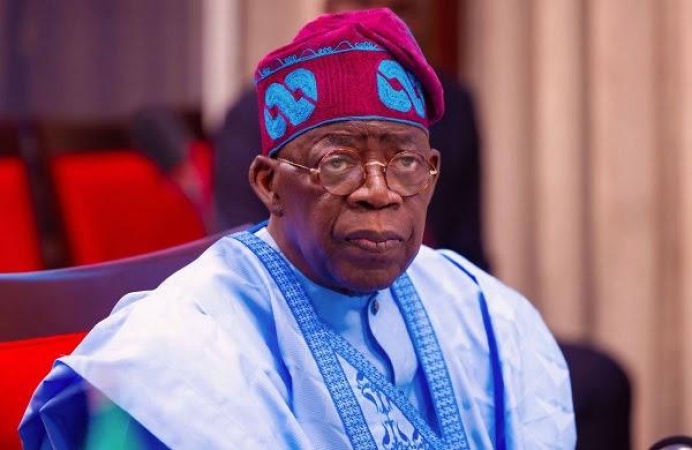
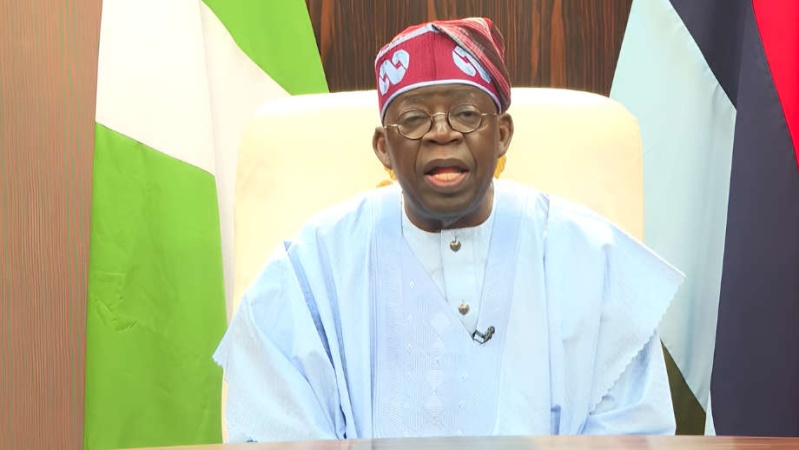
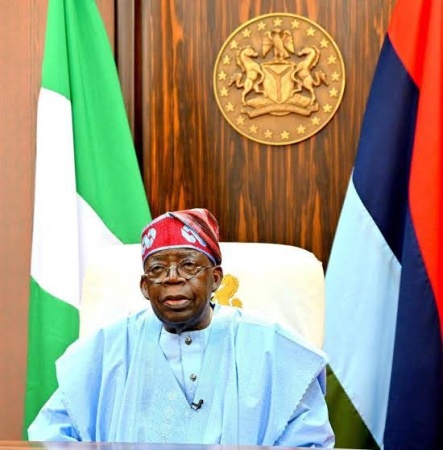
President Tinubu
As 2025 draws to a close, attention has turned to the major promises made by the Federal Government and how many of them translated into real relief for Nigerians.
When President Bola Tinubu presented the 2025 Budget of Restoration to the National Assembly on December 18, 2024, he offered timelines, figures, and targets rather than broad assurances.
Inflation was expected to fall, food prices were projected to stabilise, insecurity was to be pushed back, and millions of jobs were promised through a growing digital economy.
By the time the budget was signed into law two months later, its size had risen from ₦47.9tn to ₦54.99tn, the largest in Nigeria’s history, with ₦6.11tn allocated to defence and ₦3.73tn to agriculture.
The administration framed the spending as evidence of tough choices aimed at resetting the economy.
Those commitments were reinforced in the President’s January 1, 2025, New Year’s broadcast, where he described 2025 as a year when ongoing reforms would begin to ease daily hardship.
Nearly a year later, official data tells a more complicated story.
The 12 promises: what was said, and what it meant
1. Reduce inflation to 15 per cent by December 2025
(Tinubu on December 18, 2024, Budget speech)
Inflation was the most personal of all promises. From food to rent and transport, rising prices had pushed households to the brink. The government said tighter monetary policy, better harvests, and subsidy adjustments would bring inflation down sharply within one year.
2. Comprehensive tax and revenue reforms
(Tinubu on December 18, 2024; laws signed June 26, 2025)
The administration pledged to simplify Nigeria’s complex tax system by collapsing more than 50 overlapping levies into a streamlined framework. The aim was to improve compliance, reduce leakages, and boost non-oil revenue without choking businesses.
3. Establish a National Credit Guarantee Company
(Tinubu on December 18, 2024, and launched on July 1, 2025)
Access to affordable credit has long been a constraint for small businesses and young entrepreneurs.
The government promised to act as a guarantor, absorbing part of the lending risk so banks could offer loans at lower interest rates.
4. Launch the National Single Window for trade
(Tinubu on December 18, 2024)
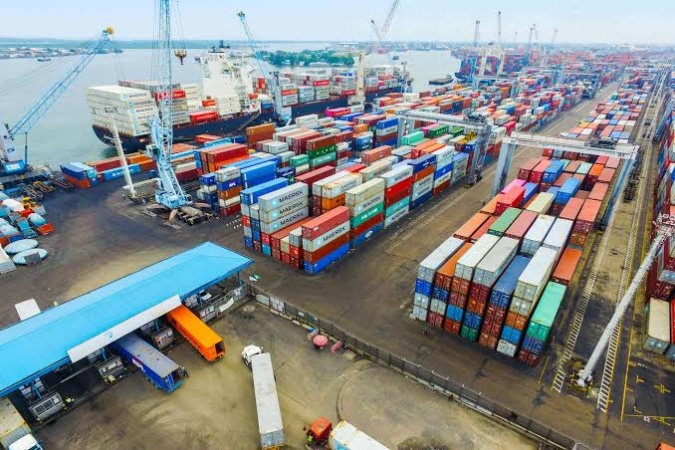
Designed as a digital gateway linking Customs, tax agencies, and regulators, the Single Window was meant to reduce port delays, cut costs, and curb corruption in import and export processes.
5. Prioritise the digital economy and skills development
(Tinubu on December 18, 2024 (Budget); January 1, 2025 – New Year address)
Through programmes such as the Three Million Technical Talent initiative, the government positioned skills development as a pathway away from oil dependence and towards a technology-driven economy.
6. Create up to 10 million digital and trade-related jobs
(Tinubu on January 1, 2025 (New Year’s address)
One of the boldest promises of the year, this projection was tied to outsourcing, e-commerce, and cross-border digital services under AfCFTA, and presented directly to young Nigerians as a solution to unemployment and underemployment.
7. Execute a national food security emergency
(Tinubu on December 18, 2024)
With food inflation surging, the government renewed its food security emergency, pledging massive support for farmers, irrigation, and storage to ensure that “no Nigerian goes hungry”.
8. Strengthen national security
(Tinubu on December 18, 2024)
The record defence allocation came with assurances that banditry, kidnapping, and insurgency would be decisively tackled, enabling farmers to return to their land and communities to recover.
9. Build a modern, tech-driven police force
(Tinubu on December 18, 2024)
The promise went beyond recruitment, covering technology deployment, training, accountability, and improved police–community relations.
10. Overhaul security training institutions
(Tinubu through his Vice President Shettima — December 3, 2025)
Late in the year, ₦100bn was approved for the rehabilitation of police and paramilitary training colleges nationwide, signalling intent to rebuild capacity.
11. Fully implement police reforms
(Tinubu on December 18, 2024)
This included better welfare, stronger oversight, and reforms aimed at restoring public trust in law enforcement.
12. Strengthen democratic institutions, including INEC
(Tinubu on December 18, 2024)
Ahead of the 2027 elections, the government promised investment in electoral infrastructure and technology to ensure transparency and credibility.
Promises fulfilled
Tax reforms
Tax reforms were implemented. Multiple levies were collapsed, revenue collection was digitised, and non-oil revenue rose to an estimated ₦41.81tn within nine months.
PUNCH Online reported that the President signed four major tax reform bills into law on June 26, 2025, including the Nigeria Tax Act and Nigeria Revenue Service Act, aimed at simplifying administration and improving compliance.
National Credit Guarantee
The National Credit Guarantee Company also became operational, reportedly disbursing about ₦50bn to over 150,000 beneficiaries at single-digit interest rates, easing access to credit for households and small businesses.
National Single Window
The National Single Window is not fully live, but early deployment has already shortened clearance timelines at major ports. PUNCH Online reported that user acceptance testing began in November, ahead of a planned March 2026 rollout.
Partial progress
Inflation eased
Inflation eased significantly, falling from 34.6 per cent to 16.05 per cent by October, according to the NBS. While this marked a major improvement, it missed the government’s 15 per cent target.
Digital skills programmes
Digital skills programmes were rolled out and boosted the sector’s GDP contribution, but the promise of 10 million jobs quietly shifted into a longer-term goal.
Security
Security training institutions received funding approval, but rehabilitation remained largely on paper as the year ended.
Failed or unverifiable promises
Food security
Food security remains fragile. FAO-backed projections warn that more than 33 million Nigerians could face acute hunger by mid-2026.
Insecurity
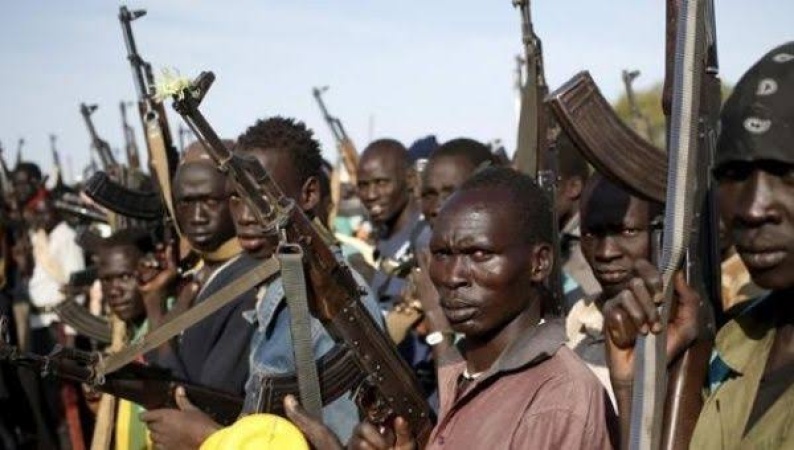
Insecurity continues to claim lives. Reuters reports that at least 2,266 people were killed in violent incidents in the first half of 2025, with kidnappings rising in several regions. This climate contributed to the United States redesignating Nigeria as a Country of Particular Concern over alleged religious freedom violations late in the year.
Police Force reform
The Police Force reform promises have yet to translate into visible nationwide change. Claims of 10 million digital jobs lack independent verification, while INEC infrastructure upgrades have shown little on-the-ground progress.
Ultimately, 2025 tells a story of contrasts. The government demonstrated capacity to reform systems, mobilise revenue, and unlock credit. But it struggled to deliver safety and food security with the same urgency.
For millions of Nigerians, daily life is shaped more by fiscal stability than by fiscal innovation, as it is determined by whether food is affordable and roads are safe. As the Renewed Hope agenda moves forward, those realities, not balance sheets, will define its legacy. (The PUNCH)