
Updating your news feed...
NEWS EXPRESS is Nigeria’s leading online newspaper. Published by Africa’s international award-winning journalist, Mr. Isaac Umunna, NEWS EXPRESS is Nigeria’s first truly professional online daily newspaper. It is published from Lagos, Nigeria’s economic and media hub, and has a provision for occasional special print editions. Thanks to our vast network of sources and dedicated team of professional journalists and contributors spread across Nigeria and overseas, NEWS EXPRESS has become synonymous with newsbreaks and exclusive stories from around the world.


























Loading banners
Loading banners...

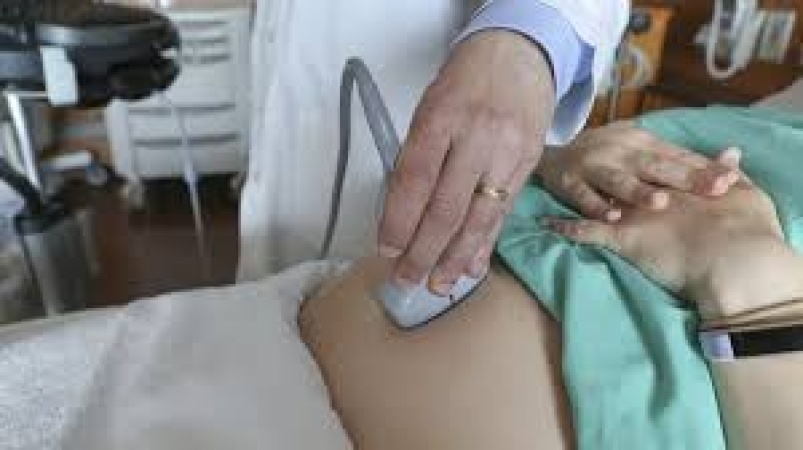
After a sharp decline through the COVID-19 pandemic, a new report suggests Canada is seeing a rise in “birth tourism” rates.
The report, published Wednesday, shows an increase in deliveries from non-residents in Canadian hospitals, which can include foreign workers and students.
According to the report, the amount of “non-resident self-pay” births — the term used by the Canadian Institute for Health Information for children born to temporary residents or visitors who are responsible for paying for hospital expenses — returned to pre-pandemic levels in 2024.
The report suggests the number of children born to non-citizens or residents is small compared to the overall number of births in the country, under two per cent since 2010.
Conservative immigration critic Michelle Rempel Garner attempted to amend Bill C-3 in order to limit birthright citizenship to children born to at least one parent who is a citizen or a permeant resident. The amendment was voted down by Liberal and Bloc Quebecois MPs.
Birthright citizenship is still intact and avenues to citizenship expanded under Bill C-3. So-called “lost Canadians” now have an easier path to citizenship, no matter where they were born or adopted from, as long as their parents are citizens who have spent three years in Canada.
Under the new law, children born to Canadians abroad can claim citizenship, as can their children, meaning that Canadian grandchildren now have access to citizenship as long as each successive generation spent three years in Canada.
Andrew Griffith, the report’s author, told CTVNews.ca in an interview Thursday that non-resident births are returning to pre-pandemic levels. Although the data shows a spike in non-resident births between 2021-24, more than doubling from 2,245 to 5,430, Griffiths was not alarmed.
Instead, he called his “major concern” a lack of public “trust in government, as well as in immigrants,” which he suggests has been “much weaker over the past few years.”
Last year, Reuters reported a surge in hate crimes against visible minorities in Canada, and according to Amnesty International, migrant workers face “shocking abuse and discrimination.”
While Griffith says the report’s numbers can help “foster open discussion,” the results highlight the value of Canadian citizenship and how far people are willing to go for their children.
Non-resident births dropped from 1.6 per cent of total births between 2019-2020 to 0.7 per cent between 2020-22, but they bounced back to 1.5 per cent between 2023-24 and 2024-25.
The pandemic years saw a more than 50 per cent drop in non-resident births, with 2019 recording nearly 5,700 newborns while 2020 and 2021 only saw around 2,400 and 2,200, respectively.
Ontario leads the way in non-resident births, generally doubling second-place Quebec each year, both pre- and post-pandemic. Meanwhile, B.C. and Alberta rank third and fourth, respectively.
Griffith does note in his report that there are some nuances in his data, including that about half of international students are covered by provincial health plans. (CP24)



