ADAD
ADADUpdating your news feed...

NEWS EXPRESS is Nigeria’s leading online newspaper. Published by Africa’s international award-winning journalist, Mr. Isaac Umunna, NEWS EXPRESS is Nigeria’s first truly professional online daily newspaper. It is published from Lagos, Nigeria’s economic and media hub, and has a provision for occasional special print editions. Thanks to our vast network of sources and dedicated team of professional journalists and contributors spread across Nigeria and overseas, NEWS EXPRESS has become synonymous with newsbreaks and exclusive stories from around the world.






Loading banners
Loading banners...


Human Rights Writers Association of Nigeria (HURIWA) has advocated the use of fuel voucher to cushion the harsh effects of fuel subsidy removal instead of the concept of palliatives.
The group insisted that use of palliatives was dehumanising Nigerians and contradicts the principles of good governance and justice.
In a statement by its National Coordinator; Comrade Emmanuel Onwubiko, on Wednesday, HURIWA contended that the palliative approach not only falls short of the constitutional standards outlined in Chapter 4 of the Constitution of the Federal Republic of Nigeria but also has the potential to dehumanize Nigerian citizens.
At the core of HURIWA’s argument is the belief that the Nigerian constitution explicitly prohibits any policy that might debase its citizens. “In particular, Chapter 4 underscores the importance of upholding the dignity of the human person.” Against this backdrop, HURIWA fervently opposed the prevailing notion that palliatives were the way forward, as it implies that citizens are reduced to the status of beggars, left to scramble for meager offerings from the government’s table.
HURIWA further asserted that such an approach fundamentally contradicts the principles of good governance and justice, especially considering that the funds used for these programs essentially constitute the commonwealth of the Nigerian people.
Moreover, HURIWA argued that the current method of distributing palliatives, often through Governors or the President, was constitutionally questionable. “This approach has been met with widespread skepticism and has failed to alleviate the hardships caused by the removal of fuel subsidies, leaving many Nigerians disgruntled and frustrated,” the group said.
In the light of these concerns, HURIWA urged the government to embrace a comprehensive policy overhaul.
The association has therefore called for a radical re-formulation of the mitigation policy, suggesting a more dignified approach to addressing the issue. Instead of palliatives, the association proposed the implementation of a fuel voucher system, one that offers a more dignified and equitable solution to the fuel subsidy issue. “Under this envisioned system, fuel vouchers would be distributed on a monthly basis to Nigerians facing economic hardships,” it said.
Crucially, HURIWA emphasised the need for a scientific, verifiable, and transparent process to identify eligible beneficiaries, ensuring that the support reaches those who need it most. “The fuel vouchers, once distributed, would serve as a means of payment for transportation expenses, directly addressing the core concern of high fuel costs,” according to the association. The group further maintained that the fuel voucher system, would not only rectify the perceived constitutional and ethical shortcomings of the current approach, but also to provide Nigerians with a more efficient and effective mechanism for mitigating the impact of fuel subsidy removal. In doing so, the association seeks to uphold the dignity and rights of all Nigerians while promoting a more just and equitable society.
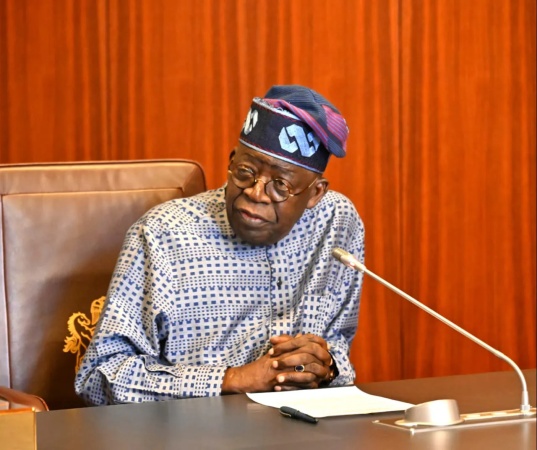
Additionally, HURIWA raised crucial questions about President Bola Tinubu’s claim of substantial savings resulting from the fuel subsidy withdrawal. “Given the official position that fuel subsidies were not included in the 2023 yearly budget, there is growing demand for clarity regarding the source of these unbudgeted cash benefits. This inquiry seeks to unravel how these funds were procured, as transparency and accountability are deemed paramount in understanding the financial mechanisms at play,” HURIWA said.