Uganda's progress in tackling HIV is in "grave jeopardy" after the president approved tough new anti-homosexuality legislation, the UN and US have warned.
An increasing number of people are being discouraged from seeking vital health services for fear of attacks and punishment, they added.
President Yoweri Museveni signed the Anti-Homosexuality Bill into law after parliament watered it down.
It is still among the harshest anti-LGBTQ laws in the world.
"The Ugandan president has today legalised state-sponsored homophobia and transphobia," the activist added.
Parliamentary speaker Anita Among welcomed Mr Museveni's decision to sign the bill into law, saying it would "protect the sanctity of the family".
"We have stood strong to defend the culture, values and aspirations of our people," she added in a statement posted to Twitter.
Ugandan lawmaker Asman Basal Irwa, the Anti-Homosexuality Bill's sponsor, told the BBC's Newshour programme: "It does not bother anybody if two adults are engaged in gay sex in private. And even then, the law does not look for those who are doing their things in private.
"But once you seek to do it in public and then you are recruiting others to do things your way, that's where the problem is."
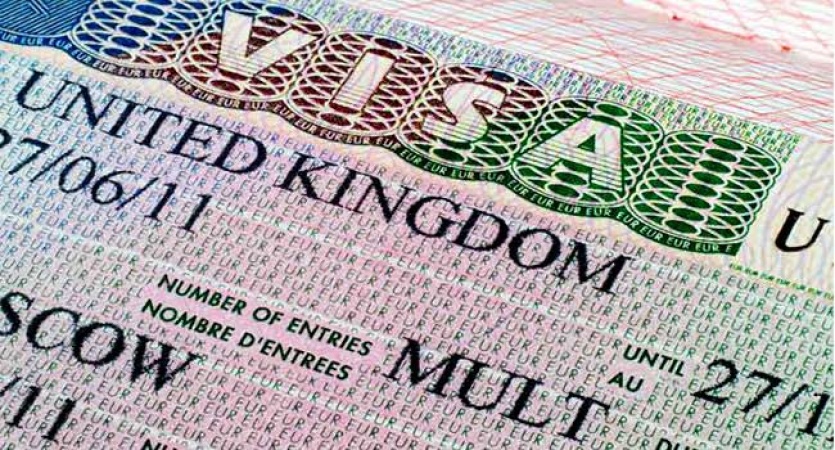
The lawmaker also told reporters that the US had cancelled a visa issued to the speaker, making her the first official to face punitive action over the new law.
The US embassy in Uganda has not yet commented.
The bill was passed in parliament earlier this month, with only one MP opposing it.
The US is a major trading partner of Uganda. The East African nation benefits from the African Growth and Opportunity Act, which gives it easier access to lucrative US markets.
The US, UNAids and The Global Fund have also played a major role in backing Uganda's long-standing efforts to curb HIV/Aids.
By 2021, 89% of people living with HIV in Uganda knew their status, more than 92% of them were receiving antiretroviral therapy, and 95% of those on treatment were virally suppressed, they said in their statement.
"Together as one, we call for the Act to be reconsidered so that Uganda may continue on its path to ensure equitable access to health services and end Aids as a public health threat by 2030," the statement said.(BBC)