ADAD
Updating your news feed...

NEWS EXPRESS is Nigeria’s leading online newspaper. Published by Africa’s international award-winning journalist, Mr. Isaac Umunna, NEWS EXPRESS is Nigeria’s first truly professional online daily newspaper. It is published from Lagos, Nigeria’s economic and media hub, and has a provision for occasional special print editions. Thanks to our vast network of sources and dedicated team of professional journalists and contributors spread across Nigeria and overseas, NEWS EXPRESS has become synonymous with newsbreaks and exclusive stories from around the world.


















Loading banners
Loading banners...

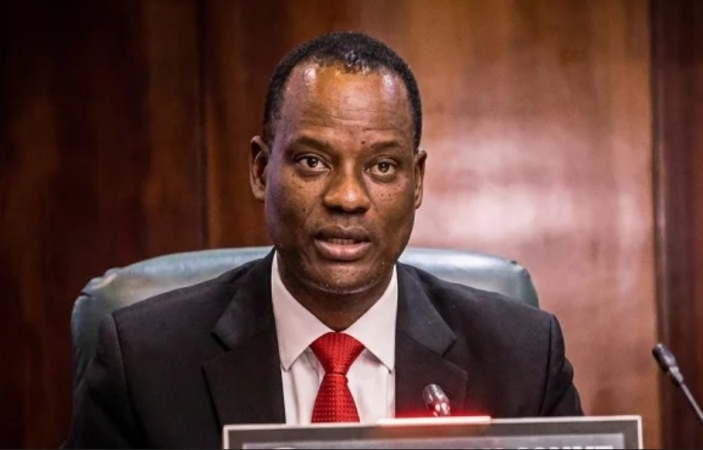
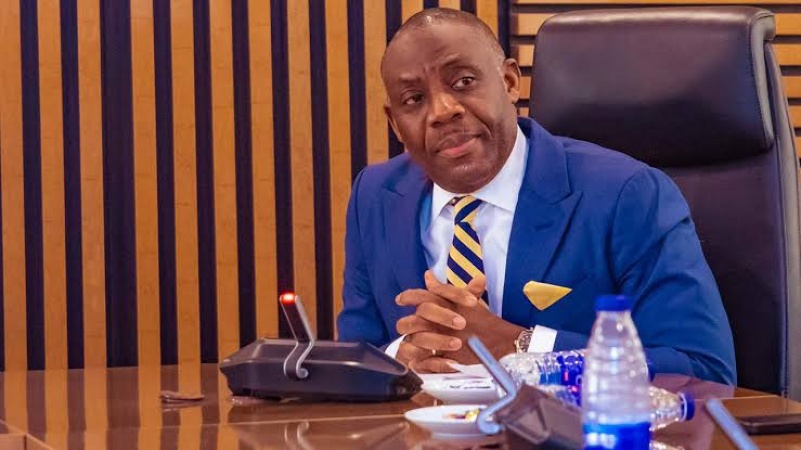
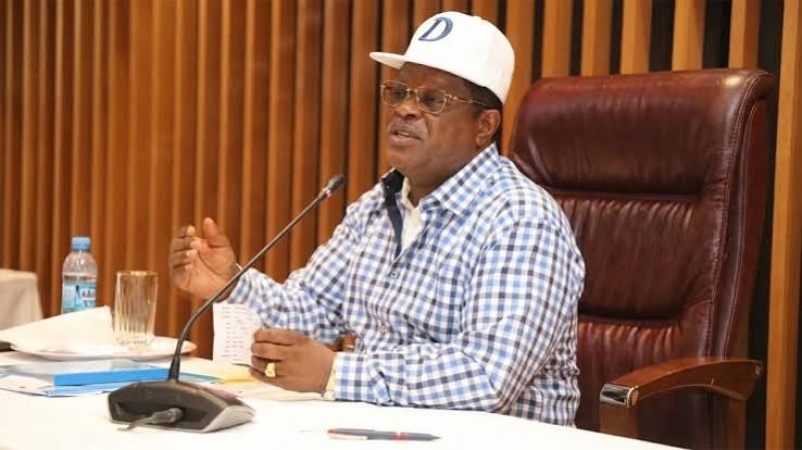
Minister of Finance, Oyedele
Nigeria’s Federal Ministry of Finance has dismissed reports suggesting that $12.4 billion is missing from the country’s external accounts, saying the figure represents a statistical discrepancy rather than evidence of stolen or withheld oil revenue.
The ministry’s response followed the World Bank’s October 2026 Nigeria Development Update, which recorded a negative $12.4 billion balance-of-payments residual, classified as “net errors and omissions”, for the first half of the year.
In a statement issued on Tuesday and signed by Maryann Duke, the ministry’s Senior Special Assistant on Communications and Press Secretary, it said the figure had been misrepresented in reports that portrayed it as missing funds.
“It does not mean money has gone missing, been stolen or been withheld. It is not an account or a sum held anywhere,” the ministry said.
According to the ministry, the World Bank suggested that unrepatriated oil export proceeds could account for part of the discrepancy but did not identify any specific amount, company or crude oil cargo linked to the figure.
It explained that net errors and omissions are a standard item in balance-of-payments accounting, used when records of a country’s international transactions do not fully reconcile.
The ministry said such differences could arise because information is compiled from several sources, including customs records, crude oil lifting data and reports from banks. Incomplete records or differences in the timing of transactions could therefore produce a discrepancy without establishing its precise cause.
To support its position, the ministry cited figures in the same World Bank report showing that Nigeria recorded a current account surplus of $12 billion in the first half of 2026.
It also said gross external reserves increased from $45.5 billion at the end of 2025 to $53.8 billion at the end of August 2026.
“These facts were overshadowed by the media’s headline framing. An economy losing US$12 billion in six months would not be adding over US$8 billion to its reserves,” the statement said.
The ministry identified under-recorded remittances, informal cross-border trade, delayed export payments and provisional data as possible contributors to the discrepancy.
It said an estimated $10 billion in remittances moves through informal channels or remains abroad annually, meaning some transfers may not be captured in official banking records.
The ministry added that cross-border trade, as well as payments for services such as education, healthcare and digital transactions, might not be fully reflected in official data.
On oil earnings, it explained that crude cargoes are recorded when lifted, while payments may take between 30 and 90 days to arrive.
It further stated that oil companies and their partners may lawfully retain their share of proceeds abroad, while some crude cargoes tied to loan arrangements may be used to repay lenders offshore.
The ministry said such transactions could contribute to the residual when related foreign assets or debt repayments were not fully captured in the national accounts.
It also noted that Nigeria had recorded a negative residual in seven of the previous eight years, with historical figures varying considerably.
The ministry said the first-half 2026 figures remained preliminary and could be revised as additional information became available from companies and banks.
It added that it would continue working with the Central Bank of Nigeria and other relevant agencies to strengthen the recording of external transactions.
The World Bank’s report, meanwhile, highlighted the importance of reconciling Nigeria’s external financial flows, particularly as foreign exchange earnings and reserve accumulation remain central to the country’s economic stability.
Although the discrepancy does not establish that funds were stolen or missing, the ministry’s response leaves the underlying differences in the data to be clarified as more complete records become available. (TheCable)