Updating your news feed...

NEWS EXPRESS is Nigeria’s leading online newspaper. Published by Africa’s international award-winning journalist, Mr. Isaac Umunna, NEWS EXPRESS is Nigeria’s first truly professional online daily newspaper. It is published from Lagos, Nigeria’s economic and media hub, and has a provision for occasional special print editions. Thanks to our vast network of sources and dedicated team of professional journalists and contributors spread across Nigeria and overseas, NEWS EXPRESS has become synonymous with newsbreaks and exclusive stories from around the world.
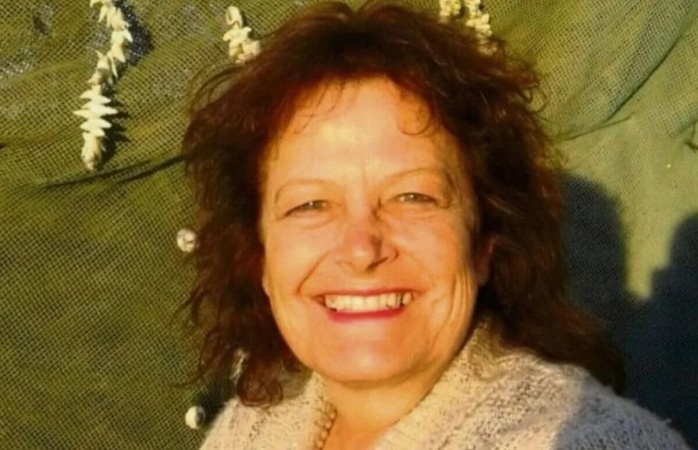
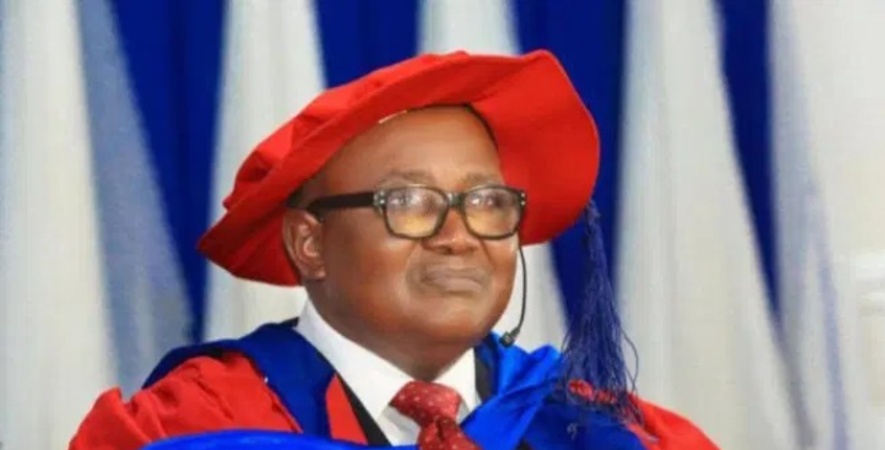
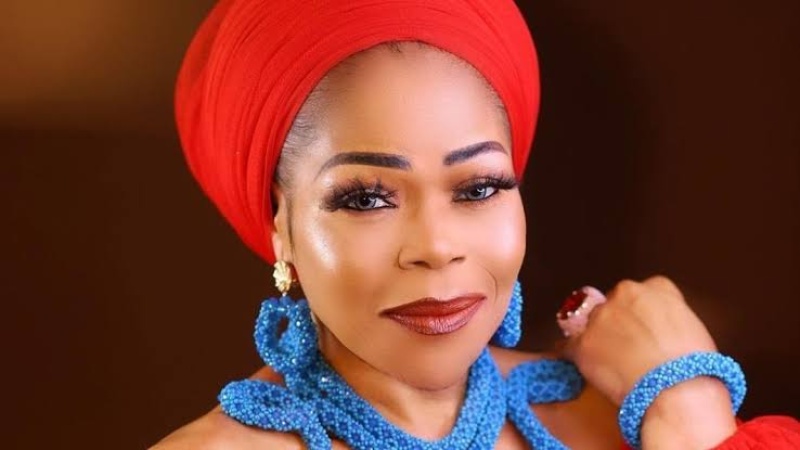

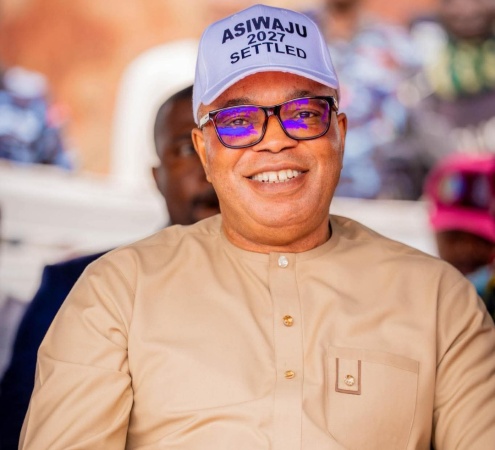
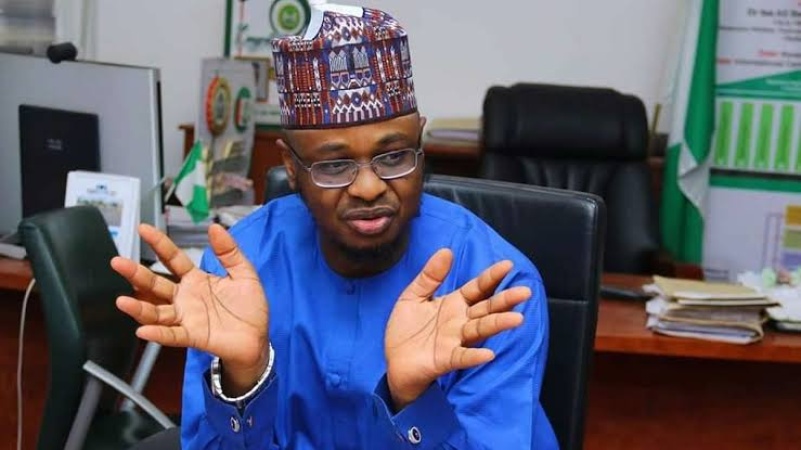


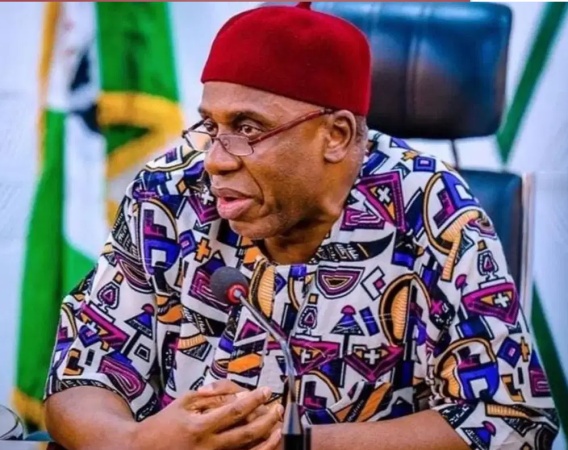

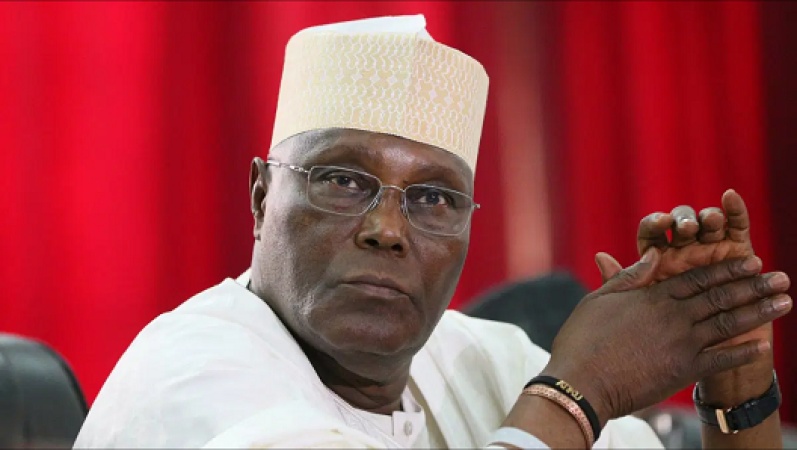
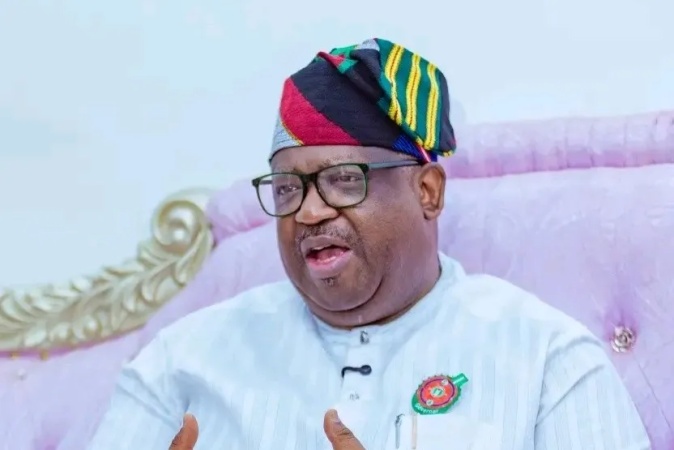


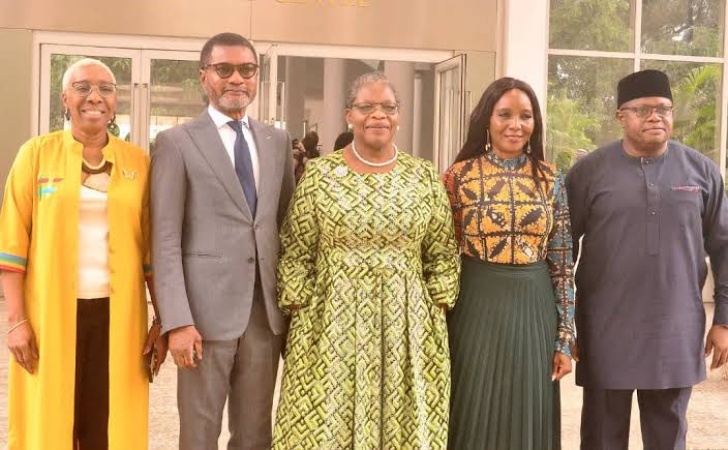
A cross-section of participants and stakeholders at the FixPolitics 2026 confab
Africans have been called upon to take back political power, which rightly belongs to them, but which the political elite hijacked.
The call was made at the 2026 #FixPolitics Africa Conference, held at the Shehu Musa Yar’Adua Centre, Abuja, with the theme, ‘Reimagining Elections in Africa: Restoring Citizens as the True Owners of Power’.
In his welcome remarks, the Executive Director of #FixPolitics Africa, Anthony Ubani, said those in government exercised power in trust.
He noted, "Recent Afrobarometer findings across 38 African countries tell a striking story: 74 per cent of Africans still believe in regular, open and honest elections, yet only 38 per cent trust their electoral management bodies.
“Even more revealing, 77 per cent believe elected officials should follow the demands of voters, but only 17 per cent say their lawmakers regularly listen to ordinary citizens.”
The problem, he argued, was not simply whether Africans believed in elections. The deeper questions, he said, were: “Do our elections actually return power to the people? Do they give citizens meaningful choices? Can citizens hold those they elect accountable? Can votes genuinely remove leaders who fail? And what must we redesign in our institutions, political parties, electoral systems, technology, laws and civic culture to make the citizen the true centre of our democracy?”
Elections, he added, were supposed to be the mechanism through which citizens decided who received that trust, on what terms and for how long. “Yet across our continent, there is a widening gap between this principle and the lived experience of citizens.”
He said he hoped participants would leave the conference not simply with another communiqué, but with ideas that could be developed, actionable commitments and a movement that could grow.
“Ultimately, democracy will not be renewed in Africa simply by holding more elections; it will be renewed when Africa’s citizens truly recover their place as the owners of power,” he added.
The Chairperson of the #FixPolitics Initiative, Frank Nweke II, said elections and conferences alone could not secure Africa’s democratic future. He noted that informed citizens and effective institutions were essential to guaranteeing a democratic future for any society.
He said, "Africa's democratic future will not be secured by elections alone, nor will it be transformed by conferences, however inspiring. It depends on citizens who know power belongs to them and institutions that respect that.”
Rejecting population size and geography as excuses some political elites used to dismiss the possibility of an ideal electoral system, he said, “We must resist the temptation of explaining our electoral difficulties by population, geography or logistics. India recorded about 646m voters in 2024, and Indonesia held an election with more than 204m registered voters.
“No electoral commission, no political party, no international observer or technological innovation can secure the integrity of a nation’s elections if its citizens surrender their responsibility for their democracy.”
Across much of Africa, he noted, elections were too often treated as contests for acquiring power rather than opportunities for citizens to decide who exercised authority in their name.
Speaking on successful elections in Senegal, Malawi, Kenya and Botswana, the founder of the #FixPolitics Initiative, Dr Obiageli Ezekwesili, said positive outcomes in those countries had not happened spontaneously on election day.
“In none of them did good outcomes fall from the sky on election day. Each of them was the harvest of citizens who stayed organised before, during and after the vote. Each was a movement that met its moment. We have an opportunity for that to happen again on our continent by reimagining the Office of the Citizen.
“In Nigeria’s 2023 presidential election, roughly one in four registered voters cast a vote. That is not legitimacy of democracy. Three in four stayed at home. This is not apathy; it is a verdict. You have shown us that our vote will not decide anything; therefore, I refuse to be part of the charade.”
She warned that citizens would remain tenants in their own house until a moment of political opportunity was transformed into a movement.
“Citizens who want political change must be willing to enter the spaces where political decisions are made and participate consistently, not when elections are approaching,” she added.
Socio-political advocate and community development campaigner Aisha Yesufu said democracy should not be viewed only from the top but should begin within the family, where children were taught to participate long before they became adults.
“How many of us belong to a political party, attend ward meetings or know what is happening there?
“We should put their (children’s) hands in right from the beginning and help build parties, not just come in to run when other people had done the work,” she said.
She urged those seeking to address the challenges of political participation and democracy to roll up their sleeves and clean up the mess.
The Team Lead, Expansion and Operations, SPPG Africa, Ayobami Olunloyo, said anyone who became a political actor, candidate or leader began as a citizen.
“That citizen must have the right mindset and value system before entering a position where their character influences other people,” he said.
Accountability, he noted, was lacking. “Without accountability, bad behaviour carries no cost and good behaviour earns no reward,” he said.
The Chief Executive Officer of SPPG Africa, Alero Ayioda-Otobo, outlined the DOSE method for addressing the continent’s political challenges.
“We are going to apply what I call the daily dose of #FixPolitics capability: Determination, Obedience, Strategic thinking and Execution skills,” she said.
The Co-convener of #FixPolitics Ghana, Dr Emmanuel Tsegah, said the “movement cannot remain a conversation; it has to become an organised action” to produce results.
Drawing on his years of leading African Union election observation delegations, the keynote speaker and Chair of #FixPolitics Kenya, Amb. Erastus Mwencha, said focusing only on election day meant examining just a small part of democracy.
He called for greater scrutiny of what happened between elections and urged a shift from observing elections to monitoring democracy.
“An election is not an event; it is a process. It begins long before polling day, with voter registration, candidates’ nominations, campaign financing and civic education, and only concludes with balloting,” he noted.
While proposing a platform for continuous civic education and monitoring democratic commitments between elections, Mwencha warned against the movement becoming another organisation that met periodically but produced reports that gathered dust on shelves.
He envisaged #FixPolitics as “a movement that helps citizens understand that their democratic power does not expire when the ballot box closes; a movement that ensures that the Office of the Citizen remains open every day.”