Updating your news feed...

NEWS EXPRESS is Nigeria’s leading online newspaper. Published by Africa’s international award-winning journalist, Mr. Isaac Umunna, NEWS EXPRESS is Nigeria’s first truly professional online daily newspaper. It is published from Lagos, Nigeria’s economic and media hub, and has a provision for occasional special print editions. Thanks to our vast network of sources and dedicated team of professional journalists and contributors spread across Nigeria and overseas, NEWS EXPRESS has become synonymous with newsbreaks and exclusive stories from around the world.














Loading banners
Loading banners...

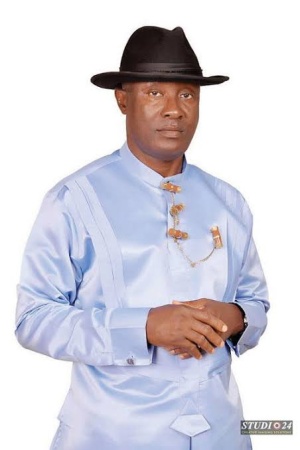
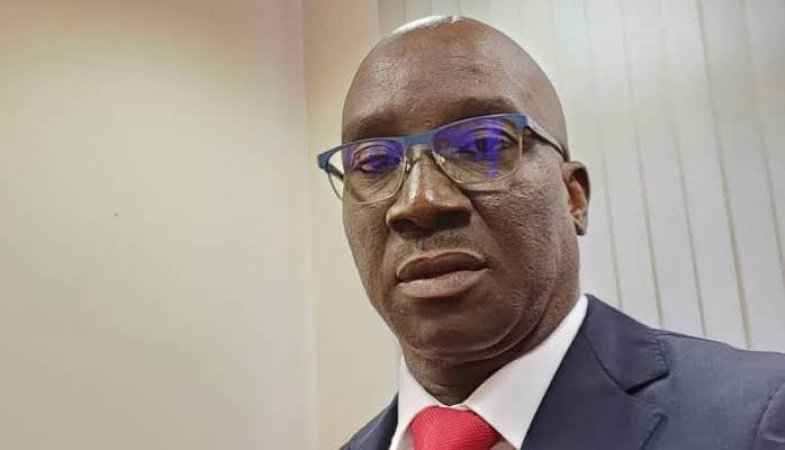
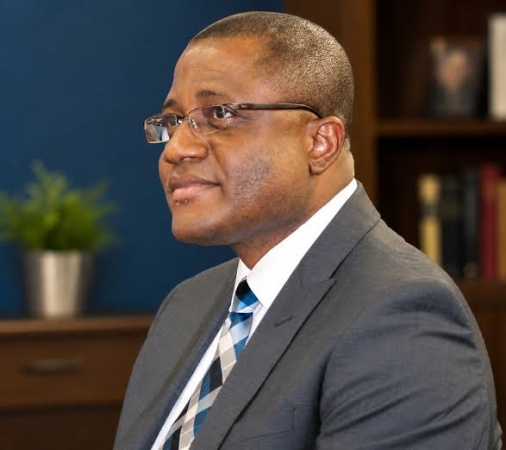
Ex-lawmaker, Dr Emmanuel Ibeshi
Dr Emmanuel Ibeshi, a former federal lawmaker, says Nigeria’s Fourth Republic has achieved democratic continuity but failed to translate its vast potential into improved living conditions.
Ibeshi stated this in an Independence Day reflection titled, “The Fourth Republic at Sixty-Six: Nigeria and the Politics of Deferred Arrival.”
He said Nigeria had abundant natural and human resources but remained unable to consistently convert its potential into public goods.
According to him, the country possesses oil, gas, arable land, strategic geography, a vibrant diaspora and a globally influential creative industry.
He, however, noted that poverty, weak infrastructure, corruption and insecurity remained persistent challenges 27 years after the return to democratic rule.
Ibeshi said successive administrations had introduced reforms that produced measurable changes but often failed to significantly transform the daily experiences of citizens.
He cited the power sector as an example, saying billions had been committed to reforms while generators remained central to everyday life.
“The state modernised. The generator remained,” he said.
The former lawmaker said the administration of former President Olusegun Obasanjo restored confidence in the Nigerian state through economic reforms, debt relief and telecommunications expansion.
He, however, said the period also established a pattern in which economic reforms improved statistics faster than citizens’ living conditions.
On the administration of late President Umaru Musa Yar’Adua, Ibeshi said it promoted constitutionalism, due process and institutional governance.
He noted that the constitutional crisis surrounding Yar’Adua’s prolonged illness exposed weaknesses in Nigeria’s institutions and eventually led to the adoption of the Doctrine of Necessity.
According to him, the episode showed that Nigeria often relied on political improvisation when institutions failed to function as expected.
Ibeshi said former President Goodluck Jonathan’s administration recorded economic growth, telecommunications expansion and electoral reforms.
He, however, noted that the rebasing of Nigeria’s economy in 2014, which made it Africa’s largest economy, did not necessarily translate into better living conditions for ordinary citizens.
He said Jonathan’s acceptance of defeat in the 2015 presidential election strengthened democratic norms and remained one of his significant contributions to Nigeria’s democratic development.
On Former President Muhammadu Buhari, Ibeshi said his administration demonstrated that personal integrity alone could not replace institutional competence.
He said corruption persisted while insecurity and economic hardship remained major concerns during the period.
According to him, Nigeria’s experience under successive administrations shows that corruption is an institutional ecosystem capable of adapting to changes in government.
Ibeshi also examined President Bola Tinubu’s economic reforms, including the removal of fuel subsidy and liberalisation of the foreign exchange market.
He said the reforms reflected longstanding economic recommendations but acknowledged that they had imposed significant hardship on citizens.
“The challenge was that necessity does not reduce suffering,” he said.
Ibeshi argued that Nigerians had repeatedly been asked to endure present hardship in anticipation of future prosperity.
He said the promise of future prosperity had become one of Nigeria’s longest-running political projects, with successive administrations announcing it without completing it.
He, however, said Nigerian citizens had continued to demonstrate resilience through entrepreneurship, technology, entertainment, professional excellence and civil society activism.
According to him, Nigeria’s global achievements in Nollywood, Afrobeats and technology were largely driven by citizens operating despite weak infrastructure and inconsistent policies.
“The state’s most celebrated successes often emerge from sectors where the state contributed least,” he said.
Ibeshi said the resilience of Nigerians should not be regarded as a substitute for effective governance.
He identified the normalisation of power outages, fuel shortages, university strikes, inflation and other forms of dysfunction as a major challenge to national development.
He said Nigeria’s central challenge at 66 was no longer discovering its potential but building institutions capable of converting that potential into tangible benefits for citizens.
“The defining lesson of the Fourth Republic is simple: Nigeria has never suffered from a shortage of promise.
“It has suffered from an abundance of leaders who mistake potential for achievement,” Ibeshi said.