Updating your news feed...
NEWS EXPRESS is Nigeria’s leading online newspaper. Published by Africa’s international award-winning journalist, Mr. Isaac Umunna, NEWS EXPRESS is Nigeria’s first truly professional online daily newspaper. It is published from Lagos, Nigeria’s economic and media hub, and has a provision for occasional special print editions. Thanks to our vast network of sources and dedicated team of professional journalists and contributors spread across Nigeria and overseas, NEWS EXPRESS has become synonymous with newsbreaks and exclusive stories from around the world.






.webp)


.webp)
.webp)

Loading banners
Loading banners...

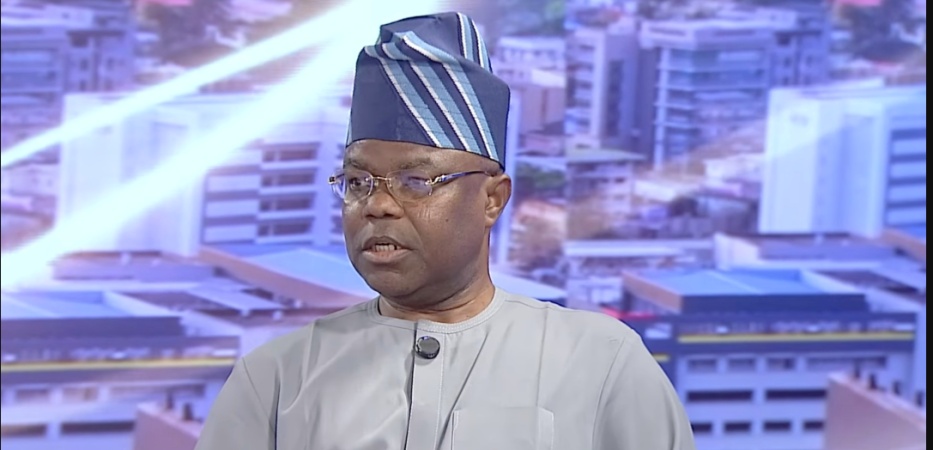
HURIWA National Coordinator Onwubiko
By BONIFACE AKARAH
The Human Rights Writers Association of Nigeria (HURIWA) has called for an immediate reduction in the pump price of Premium Motor Spirit (PMS), backing the demand by public service workers for petrol to sell at ₦500 per litre amid worsening economic hardship.
HURIWA, in a statement signed by its National Coordinator, Comrade Emmanuel Nnadozie Onwubiko, on September 30, 2026, said the current petrol price of about ₦1,500 per litre was worsening transportation and food costs and placing additional pressure on workers and low-income households.
“The Federal Government must urgently intervene before the escalating cost of petrol further pushes millions of Nigerians into deeper poverty and economic hardship,” HURIWA said.
The association also backed the Joint National Public Service Negotiating Council’s proposed three-day warning strike from October 2, saying the planned industrial action should be treated as a warning that workers were struggling to cope with rising fuel prices, transportation costs, food prices and declining purchasing power.
According to HURIWA, the workers have demanded a reduction in petrol prices to ₦500 per litre, payment of a wage award and the immediate constitution of a tripartite committee to begin negotiations for a new national minimum wage expected to become due in 2027.
HURIWA said the workers’ demands deserved urgent attention because of what it described as mounting pressure on households across the country.
“Nigerians cannot continue to absorb the economic consequences of petrol prices that have risen to levels far beyond the reach of millions of workers and low-income households,” the association said.
The group also called for a review of the entire petroleum pricing structure, including crude supply arrangements, domestic refining capacity, importation costs, taxes, distribution margins and other components that determine the final pump price.
It demanded full transparency in the pricing process and urged relevant regulatory authorities to publish the components of the current petrol price.
HURIWA said consumers should be able to understand why petrol costs about ₦1,500 per litre despite Nigeria’s status as a crude oil-producing country and the emergence of domestic refining capacity.
The association also called on the Federal Government to introduce measures to cushion the impact of high fuel prices, including targeted relief for workers and vulnerable households, improved public transportation and urgent measures to bring down transportation and food costs.
“HURIWA says neither the Federal Government, Dangote Refinery nor petroleum importers should be allowed to shift the burden of an inefficient or expensive petroleum market entirely onto Nigerian consumers,” it stated.
The association urged Nigerians who wished to express support for cheaper petrol to do so peacefully and lawfully, stressing that any mobilisation should respect citizens’ constitutional rights to peaceful assembly and expression.
HURIWA warned that continued economic pressure could further erode workers’ purchasing power and deepen social hardship.
It therefore urged President Bola Ahmed Tinubu and the Federal Government to treat the October 2 warning strike and the workers’ demand for cheaper petrol as an urgent national economic issue rather than merely a labour dispute.
The association maintained that Nigerians deserved an economy in which wages could reasonably meet basic living costs, particularly the rising costs of transportation and food.