ADAD
ADADUpdating your news feed...

NEWS EXPRESS is Nigeria’s leading online newspaper. Published by Africa’s international award-winning journalist, Mr. Isaac Umunna, NEWS EXPRESS is Nigeria’s first truly professional online daily newspaper. It is published from Lagos, Nigeria’s economic and media hub, and has a provision for occasional special print editions. Thanks to our vast network of sources and dedicated team of professional journalists and contributors spread across Nigeria and overseas, NEWS EXPRESS has become synonymous with newsbreaks and exclusive stories from around the world.













Loading banners
Loading banners...


Adeleke, Oyebamiji, Salam
As Osun State prepares for the August 15 governorship election, attention is increasingly shifting to the major towns and political strongholds, where the contest among the leading candidates is expected to be fiercely fought.
Beyond rallies, campaign promises and endorsements, the battle is gradually becoming one of numbers, political structures, personalities and parties’ ability to mobilise voters across strategic communities.
From Osogbo to Ile-Ife, Ilesa, Ede, Ikire, Iwo, Ejigbo and other politically important towns, the election has assumed a high-stakes character, with the activities of political actors, the strength of party structures and the history of electoral violence making some areas potential flashpoints.
The stakes are particularly high because the election is being contested by 14 political parties, although the contest has increasingly centred on the incumbent governor and Accord Party candidate, Senator Ademola Adeleke; the All Progressives Congress (APC) candidate, Asiwaju Munirudeen Bola Oyebamiji, popularly known as AMBO; and the African Democratic Congress (ADC) candidate, Senator Najeem Salam. Recent assessments have similarly identified the three as the leading contenders.
According to the Independent National Electoral Commission (INEC), 2,339,233 registered voters are eligible to participate in the election across the state’s 30 local government areas, 332 registration areas and 3,763 polling units.
The distribution of voters gives the major towns enormous political significance. Osogbo/Olorunda has 290,767 registered voters, representing 12.43 per cent of the state’s electorate, while Ile-Ife has 250,969 voters, representing 10.72 per cent.
Ilesa has 176,190 voters, Ede 164,084, Iwo 106,814, Ikire 96,528 and Ikirun 94,870. These figures mean that candidates who fail to perform strongly in the major electoral blocs could struggle to achieve the statewide spread required to win.
However, the security dimension has complicated the contest.
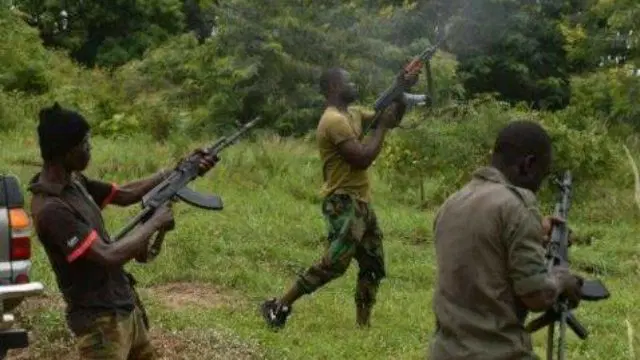
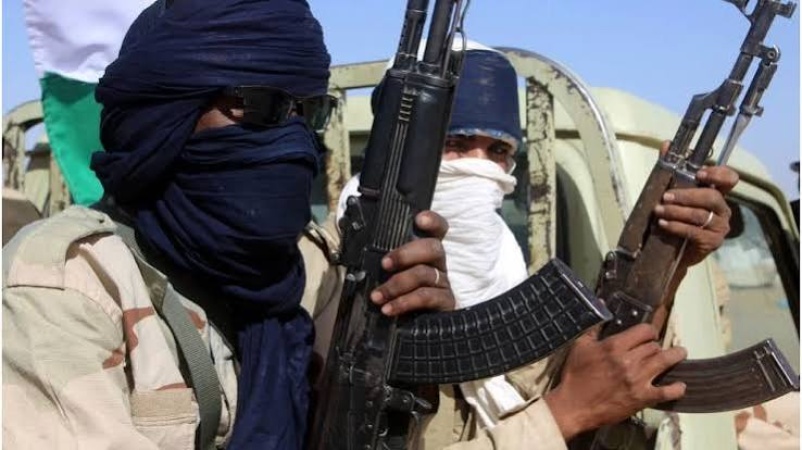
INEC’s Resident Electoral Commissioner, Mrs Oluwatoyin Babalola, disclosed that the commission identified 385 security flashpoints and about 200 difficult terrains across the state during its risk assessment. The assessment was carried out across the 30 local government areas and shared with security agencies.
The National Peace Committee, through the Kukah Centre, subsequently identified 15 local government areas as critical, high or moderate violence-risk zones. Osogbo and Irewole were listed among the most vulnerable, while Iwo, Boripe, Ife Central and Ife East were also identified as high-risk areas.
Given these concerns, the major political theatres, including Osogbo, Ile-Ife, Ilesa/Ijesa land, Ikire, Ede and other strategic communities, are expected to attract heightened attention from political parties, security agencies, election observers and voters.
Osogbo
Osogbo, the state capital, and the adjoining Olorunda Local Government Area constitute one of the most important electoral theatres in the election.
With 290,767 registered voters, the area alone accounts for more than one-tenth of the state’s electorate. Its importance is not merely numerical. As the state capital, Osogbo houses the political, administrative and media establishments that have remained at the centre of electioneering.
The town also has a concentration of political actors capable of influencing mobilisation.
For the Accord Party, the Secretary to the State Government, Teslim Igbalaye; Hon. Gani Olaoluwa; House of Representatives member, Hon. Rauf Adewale; and Hon. Raji Muniru are among the political figures associated with the party’s mobilisation in the area.
The APC also has influential figures operating within the capital, including its National Secretary, Senator Ajibola Basiru; Executive Director, Marine and Operations, Nigerian Ports Authority, Engr. Olalekan Badmus; Hon. Taofeek Kayode; former Deputy Governor Titilayo Ponle; and Adegboye Akintunde, among others.
The political competition in Osogbo therefore goes beyond the candidates themselves. It is also a contest between structures, networks and competing claims to influence the electorate.
Security concerns surrounding the capital have added another layer to the contest. With Osogbo listed among the areas considered vulnerable to election-related violence, the conduct of party agents, supporters and security personnel will be closely watched.
Ile-Ife
If Osogbo is the state’s political and administrative centre, Ile-Ife is one of its most important historical and electoral centres.
The ancient city has 250,969 registered voters, making it the second-largest electoral bloc among the major towns highlighted in the contest.
The importance of Ile-Ife has been reinforced by both major contenders choosing their running mates from the city.
The Accord Party’s deputy governorship candidate, Prince Kola Adewusi, is from Ile-Ife, while the APC’s running mate, Engr. Kayode Benjamin Adereti, also hails from the ancient city.
This has made Ile-Ife a particularly important battleground for both parties.
For Accord, the party can count on figures such as Prof. Wale Oladipo and other political actors, including loyalists associated with Senator Iyiola Omisore.
The APC, meanwhile, has heavyweight actors in the town, including Senator Iyiola Omisore, Senator Babajide Omoworare, Hon. Nike Omoworare and Olusegun Fanibe.
Omisore’s political history in Osun makes the development particularly significant. His movement between major political formations over the years has given him considerable political relevance, while his relationships with different political tendencies make his political calculations a matter of interest in the election.
Ife Central and Ife East have also featured prominently in security assessments, further increasing the attention being paid to the ancient town.
Ilesa and Ijesa land
The Ijesa axis is another crucial battlefield.
Ilesa, comprising Ilesa East and Ilesa West, has 176,190 registered voters, while Obokun and Ori-Ade contribute another large bloc. Together, the four councils form a substantial electoral territory capable of shaping the final outcome.
The area is also politically competitive, with influential actors across the major parties.
For the Accord/PDP political structure, prominent figures include PDP Chairman Sunday Bisi, Hon. Ibukun Fadipe, Hon. Olawale Akerele, Popoola Alaba, Mayowa Anjorin, Dosu Babatunde and Barrister Pelumi Olajengbesi, among others.
The APC also has established political actors in the axis, including Senator Francis Fadahunsi, Hon. Oluwole Oke, Hon. Sanya Omirin, Babatunde Komolafe and Engr. Remi Omowaiye.
Ilesa is particularly important because the political contest there is not simply about party labels. Local networks, longstanding political relationships, community influence and the ability of individual actors to mobilise voters could determine how the area votes.
Recent political confrontations in parts of the state also mean that Ilesa and its surrounding communities will remain under close security observation.
No fewer than 6 members of the APC have been killed in Ilesa in the last week.
Ikire
Ikire, the headquarters of Irewole Local Government Area, has 96,528 registered voters and occupies a special place in the 2026 election.
The town is the home of the APC governorship candidate, Bola Oyebamiji. His origins give the APC campaign a natural political interest in securing a strong performance in the area.
Other prominent APC actors associated with the axis include former Deputy Governor Benedict Alabi, Hon. Ayo Omidiran, former Speaker of the House of Representatives, Hon. Patricia Etteh, and Col. Falabi, among others.
The Accord Party also has political actors with influence in the area, including Senator Lere Oyewumi and Hon. Jide Jooda.
The significance of Ikire therefore extends beyond its 96,528 voters. It represents a test of whether Oyebamiji can convert his local roots into an electoral advantage and whether the incumbent’s party can resist the home advantage of the APC candidate.
Irewole has also been identified as vulnerable to election-related violence, making Ikire both an electoral battleground and a security-sensitive location.
Ede
If Ikire is the home base of the APC candidate, Ede is the political stronghold most closely associated with the incumbent governor, Ademola Adeleke.
Ede has 164,084 registered voters and holds an important place in the Accord Party’s political calculations.
Governor Adeleke’s political family has maintained a strong presence in the town, while his wider political network has been central to his campaigns.
Among the prominent Accord actors associated with the Ede axis are Chief of Staff Kazeem Akinleye, Dr Bashiru Salam, Yeye Dupe Adeleke and David Adeleke, popularly known as Davido.
The governor’s incumbency, his family network and his record of political mobilisation make Ede a place where Accord is expected to seek a strong performance.
The APC, however, is not without political actors in the area. Hon. Adejare Bello and Adeyemi Elliot are among those expected to contribute to the party’s mobilisation.
The question in Ede will therefore be whether Adeleke’s personal and family political influence can translate into the kind of margin that could compensate for possible challenges elsewhere.
Iwo, Ikirun, Ejigbo and other battlegrounds
While the attention of political observers has focused on Osogbo, Ile- Ife, Ede, Ilesa and Ikire, other towns cannot be ignored.
Iwo, with 106, 106,814 registered voters, is another sizeable electoral bloc. The town and its surrounding local government areas have historically been politically competitive and have featured in security assessments.
Ikirun, with 94,870 voters, and Ejigbo are also important because of their electoral weight and their position within the broader Osun political map.
The importance of Ejigbo is further underscored by the candidacy of ADC’s Najeem Salam, a former Speaker of the Osun State House of Assembly and a major political figure from the area. His candidacy gives the ADC an opportunity to build a strong base in parts of Osun West, while Rauf Aregbesola’s influence in the Ilesa axis and other areas remains a major talking point in the ADC’s calculations. Recent analysis has described Aregbesola’s role as a major test for Salam’s candidacy.
The big political actors
Beyond the individual towns, the election is also a referendum of sorts on the political influence of some of Osun’s biggest political actors.
Former Governor Chief Bisi Akande, former Governor Olagunsoye Oyinlola, former Minister of Interior Rauf Aregbesola and former Governor and Minister of Marine and Blue Economy, Adegboyega Oyetola, remain significant names in the state’s political calculations.
Oyinlola’s recent endorsement of APC candidate Oyebamiji has further altered the political equation, particularly given his history and influence within the old PDP political structure.
Aregbesola, meanwhile, is central to the ADC’s calculations around Najeem Salam. The ability of the former governor to translate political networks into votes will be closely watched.
For the APC, the support of President Bola Tinubu and the involvement of Oyetola have provided additional national and state-level political weight to the Oyebamiji campaign.
For Adeleke, incumbency, his record in government, his political family and the mobilisation machinery around his administration remain central to the campaign.
The final battle
As Election Day approaches, the contest is increasingly a battle of geographical spread.
No single town is likely to determine the winner on its own. Instead, the victor will need to combine strong performances in traditional strongholds with competitive results in areas controlled by rival political structures.
The arithmetic is therefore clear: Osogbo/Olorunda and Ile-Ife alone account for more than 541,000 registered voters. When Ede, Ilesa, Obokun/Ori- Ade, Ikire, Iwo and Ikirun are added, the concentration of voters in these strategic communities becomes even more significant.
But numbers alone will not decide the election.
Turnout, voter mobilisation, security, logistics, the effectiveness of party agents, the credibility of the process and the ability of voters to resist intimidation and inducement will all matter.
The political temperature is already high. There have been allegations and counter-allegations of intimidation, vote-buying, attacks and partisan conduct by political actors. Civil society groups have also raised concerns about violence and the neutrality of institutions. The National Peace Committee’s assessment that organised political violence, institutional tensions, electoral offences and information disorder remain major risks underscores the seriousness of the situation.
INEC says it is logistically, technically and operationally ready for the election, while security agencies have continued intelligence gathering and deployment to vulnerable areas.
Ultimately, however, the real flashpoint may not be a particular town but the competition between political interests seeking to control them.
From Osogbo’s urban political machinery to Ile-Ife’s historic networks, Ijesa land’s entrenched structures, Ikire’s home advantage for the APC candidate, and Ede’s association with the incumbent governor, each major town carries its own political story.
On August 15, those stories will converge at the ballot box when the votes are counted; the candidate who succeeds in turning political influence into actual voter turnout across these battlegrounds, while maintaining the required spread across the state, will have moved closest to occupying the Bola Ige House in Osogbo for the next four years. (The Nation)