Updating your news feed...

NEWS EXPRESS is Nigeria’s leading online newspaper. Published by Africa’s international award-winning journalist, Mr. Isaac Umunna, NEWS EXPRESS is Nigeria’s first truly professional online daily newspaper. It is published from Lagos, Nigeria’s economic and media hub, and has a provision for occasional special print editions. Thanks to our vast network of sources and dedicated team of professional journalists and contributors spread across Nigeria and overseas, NEWS EXPRESS has become synonymous with newsbreaks and exclusive stories from around the world.





Loading banners
Loading banners...

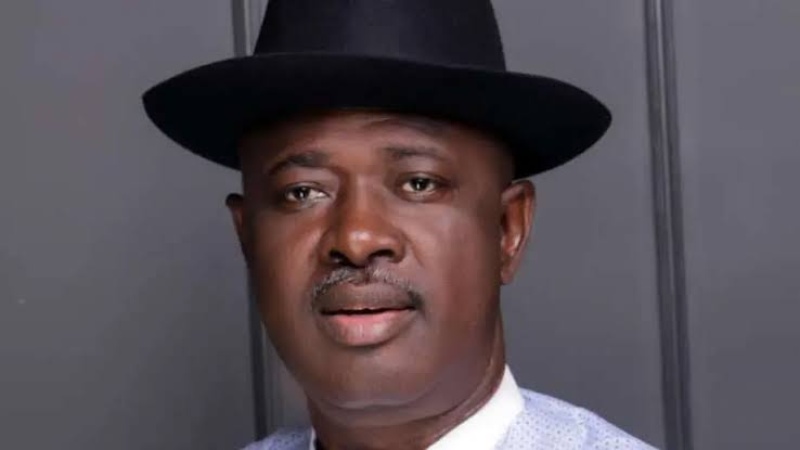
Minister of State for Petroleum Resources Oil, Senator Heineken Lokpobiri
The minister of state for Petroleum Resources (Oil), Heineken Lokpobiri, has renewed calls for fresh investment in Nigeria’s midstream and downstream oil sector, saying local refining capacity still trails market demand despite recent gains.
Speaking on Tuesday at the opening of the two-day West Africa Refined Fuel Market Conference 2026 in Abuja — organised by the Nigerian Midstream and Downstream Petroleum Regulatory Authority (NMDPRA) alongside the West African Regulators Forum and S&P Global Energy — the minister argued that even the Dangote Refinery’s 650,000 barrels-per-day capacity is not sufficient to close the gap, and pressed for expanded refining investment nationwide.
The event, themed around funding infrastructure and distribution to build a transparent regional fuel market, drew regulators, industry executives and other stakeholders from across West Africa.
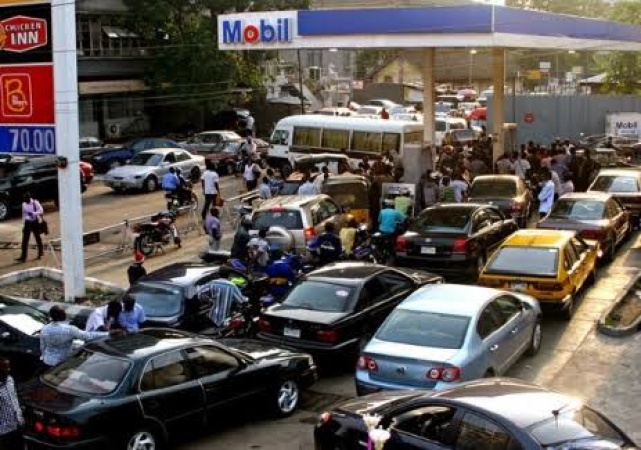
Figures from NMDPRA’s latest sector report show petrol supply to the domestic market slipped from 41.5 million litres per day in May to 32.45 million litres per day in June, with Dangote Refinery accounting for 32.5 million litres per day of that supply out of its 39.1 million litres per day total output. Even so, national petrol consumption rose to 47.4 million litres per day in June, up from 46.3 million litres per day the previous month.
On the energy transition debate, Lokpobiri maintained that oil and gas will remain central to global energy supply for years to come and argued that Nigeria needs the sector to drive industrialisation. He called the gathering one of Africa’s most significant of its kind and urged the country to take the lead in the continent’s oil and gas transformation.
Other speakers echoed the push for deeper regional cooperation. NUPRC chief executive Oritsemeyiwa Eyesan pointed to rising output — now 1.6 million barrels per day, in line with Nigeria’s OPEC quota — and called for West African countries to integrate their markets rather than operate in silos.
Presidential oil and gas adviser Olu Verheijen said the continent’s real test is whether it can build the infrastructure, market systems and regulation needed to support the sector’s growth, and urged governments to remove barriers to cross-border trade.
House Committee on Petroleum Resources chairman Ikenga Ugochinyere said the National Assembly would work with NMDPRA and other stakeholders to secure infrastructure against pipeline vandalism and crude theft to attract investors.
NMDPRA chief executive Rabiu Umar, in his welcome address, said the conference had moved from setting a roadmap in its first edition to focusing on execution this year, citing progress including the West African Regulators Forum and steps toward a regional reference pricing system. He listed five priorities going forward — deepening market liquidity, financing infrastructure, harmonising regulation, institutionalising transparency, and building a full trading ecosystem — and said Africa’s infrastructure gap represents a major investment opportunity, provided projects are bankable and regulation stays predictable. (LEADERSHIP)